
Ishtoo (II)
A mild, fragrant Kerala-style meat stew infused with warm whole spices, ginger, and rich coconut milk.
Whole spices
6 gFried in the oil (step 2)Ginger-garlic paste
26 gSautéed with the aromatics (step 2)Finishing spice
1 gSprinkled into the stew before the final boil (step 4)Everything else

Method
- Drop 200 g potato into a pan of briskly boiling, salted water. Cook for 5 minutes until just barely tender, then drain thoroughly and reserve.
- Warm 2 tablespoon oil in a wide, heavy casserole over medium heat. Tip in the whole spices and sizzle for roughly 30 seconds until the pods swell and darken slightly. Mix in 300 g onion and cook for 2 minutes until glossy and soft. Toss in 12 g ginger, 48 g green chilli, and half the curry leaves (3 g), cooking for a minute, then stir in the ginger-garlic paste and fry for 1 to 2 minutes until the liquid cooks off.
- Pour in 250 g coconut cream alongside 375 g water and bring the liquid to a rolling boil. Add 1000 g lamb with a pinch of salt, stir well, and wait for it to return to a boil. Turn the heat down to low, seal with a lid, and let it simmer for 1 to 1½ hours, giving it an occasional stir, until the meat is completely tender.
- Take off the lid, add the reserved potatoes and the remaining 3 g curry leaves, and blend well. Take the casserole off the heat to stir through 127 g coconut milk. Place back on the stove, scatter over the finishing spice, cover, and gently simmer for roughly 5 minutes until bubbling. Taste and adjust the salt if needed, then finish with a sprinkling of desiccated coconut.
Don't have something?

 Eggplant
Use equal weight. Cut into large chunks; cooks down much faster (10-12 minutes) and softens into the sauce rather than staying starchy and firm.
 Paneer
Use 80% of the weight. Cube and add in the last 5-10 minutes of cooking; adds rich dairy protein instead of starchy bulk.
 Dried chickpea
Use 45% dry weight. Soak overnight and boil until fully soft before stirring into the sauce to simmer for 10 minutes.


 Vegetable oil
Use the same weight; it is neutral and will not add coconut aroma.
 Groundnut oil
Use the same weight; mild and good for frying, but no coconut flavour.
 Ghee
Use the same weight for richness; it adds a dairy aroma and is not vegan.


 Green cardamom seed
Use 35 to 40% of the total pod weight; lightly bruise the seeds before frying in oil to release their essential oils.
 Ground green cardamom
Use 20 to 25% of the pod weight (about 1 generous pinch per pod); stir in toward the end of cooking so the delicate floral notes do not dissipate.
 White cardamom pod
Use 1:1 by pod count or weight; crack gently before using, though it is slightly less intensely floral.


 Ground cloves
Use 1 g ground for 4 g whole (or 1 small pinch per 2 to 3 whole cloves). Add with spice powders; disperses intense warmth quickly, so use with restraint.
 Allspice berries
Use 100% of the weight whole in tempering. Imparts a warm, clove-like aromatic profile combined with hints of nutmeg and cinnamon.
 Black cardamom pod
Use 1 pod for 3 to 4 cloves in whole tempering. Shares a camphor-like warmth and medicinal depth, though it introduces a distinct smoky undertone.


 Cinnamon stick
Use a 2 cm piece (about 1 g) for every 1 to 2 bay leaves. Fry in whole-spice temperings; provides the cassia-like warmth typical of Indian tejpatta.
 Ground cinnamon (cassia)
Use 0.5 g per leaf. Stir into the sauce during simmering; gives the same warm woodiness but darkens the colour slightly.

 Ceylon cinnamon
True cinnamon: thinner, papery quills, milder and sweeter. Use about 1.5 times the weight, and taste.
- Ground cinnamon (cassia)
Use about a third of the weight (0.5 g ground for a 2.5 cm piece), stirred in with the ground spices rather than fried whole, since the powder burns quickly.
 Cassia buds
Use 60-70% of the weight; stronger and more peppery, so taste before adding more.






 Fresh ginger
Use equal weight; scrape off the skin and grate or finely julienne according to the recipe.
 Ginger paste
Use equal weight; stir straight into the sizzling aromatics, taking care as the extra moisture may spit.
 Ground ginger
Use 15 to 20% of the weight; add alongside ground spices, noting it imparts warm, dry heat rather than zesty freshness.


 Chilli powder
Use 10 to 15% of the weight (about 1/4 teaspoon per chilli); imparts dry pungent heat and reddens the dish without the grassy crunch.
 Dried red chilli
Use 1 dried pod per fresh green chilli; snap in half and temper in hot oil for a deeper, toastier heat.


- Bay leaf
Fry 1 bay leaf for every 5 curry leaves in hot oil; imparts a warm, woodsy background note, but misses the citrus-sulphury punch entirely.
 Lime juice
Add a small squeeze (about 5 ml per sprig of curry leaves) right before serving; provides sharp citrus top notes without the toasty, herbal aroma.

- Fresh ginger
Use equal weight; peel and grate very finely on a microplane or pound to a fine paste in a mortar.
- Ginger
Use equal weight; mince finely and crush with the flat of a knife before frying.
- Ground ginger
Use 20% of the weight; add directly with the dry spice powders, though it yields an earthier, less pungent profile.


 Garlic
Use equal weight; crush or finely grate to a smooth pulp to replicate the same fresh, pungent moisture in your base gravy.
 Garlic powder
Use 20 to 25% of the weight; mix with a teaspoon of water before adding to oil so it does not burn, noting it lacks the fresh bite.


 Coconut milk
Use 1.25 times the weight and simmer to reduce back to the original weight; it is thinner and less rich.
 Coconut, fresh or desiccated
For 100 g cream, blend 60 g fresh coconut or 40 g desiccated coconut with 60 g hot water, then strain; use the thick top layer.
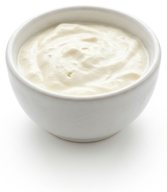 Cream
Use the same weight for a dairy version; it lacks coconut flavour but gives similar richness.


 Lamb shoulder
Use the same total weight; cut into chop-sized and larger pieces, and simmer 10–15 minutes longer.
 Mixed lamb pieces
Use the same weight; keep bone-in pieces for flavour and adjust time to the largest piece.
 Lamb leg
Use the same weight; cut into pieces, but it will be leaner and less gelatinous.


 Single cream
Use equal weight; simmer gently over low heat to prevent curdling. Imparts a comparable rich texture, though it adds dairy richness without any coconut fragrance.
 Cashew paste
Whisk 1 part cashew paste with 2 parts water to match the consistency, then use equal weight. Provides a thick, velvety body without coconut flavour.
 Whole milk
Use equal weight, but reduce other cooking liquids by 20% to compensate for the lower viscosity. The curry will be lighter and lack sweetness.


- Green cardamom seed
Grind freshly extracted inner black seeds finely; use equal weight (1:1). Greatly superior aroma with potent eucalyptus and citrus notes.
- Green cardamom pod
Lightly crack whole pods and simmer them in the gravy; use 150% of the weight of ground cardamom. Fish out the pods before serving.
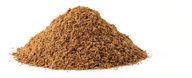 Ground nutmeg
Use 50% of the weight. Delivers warm, sweet aroma, but lacks cardamom's cooling, citrusy top notes.


 Grated desiccated coconut
Use equal weight directly; it is the identical ingredient under a different label.
 Fresh coconut
Grate finely and use 130% to 140% of the weight to compensate for higher moisture; toast gently in a dry pan over low heat if a dry texture is needed.
 Dried coconut
Grate finely using a microplane and use equal weight. Offers a slightly oilier, toastier coconut profile.


Similar dishes

- Same: Both dishes combine lamb and potatoes with coconut, ginger, garlic, cloves, cinnamon, and green cardamom.
- Different: Khawamdum is cooked in ghee with yogurt, milk, and ground coriander, whereas this dish relies on coconut milk, bay leaves, curry leaves, and fresh green chillies.

- Same: Bhindi ka Patala Salan shares lamb, potato, onion, ginger paste, garlic paste, and whole cardamom, clove, and cinnamon with this dish.
- Different: It adds okra, tomato, ground turmeric, chilli powder, ground coriander, coriander leaf, and mint, uses vegetable oil and ghee, and lacks this dish's coconut oil, coconut cream, coconut milk, green chilli, curry leaf, bay leaf, and desiccated coconut; it also pan-fries potatoes and makes a brothy gravy rather than a coconut-milk stew.

- Same: Aloo Gosht shares lamb, potato, onion, ginger, garlic, bay leaf, cinnamon, clove, and cardamom with this dish.
- Different: Aloo Gosht adds tomato as a souring agent plus ground coriander, cumin, chilli powder, garam masala, and mace, and uses vegetable oil or ghee with pan-fried potatoes instead of coconut oil, coconut cream, coconut milk, green chilli, and curry leaf.

- Same: Gol Maas Kaachar shares the lamb base and onion-garlic-ginger aromatics with this dish, as well as whole spices like cinnamon, cloves, cardamom, and bay leaves.
- Different: Gol Maas Kaachar is braised in pungent mustard oil with yogurt, tomatoes, and chilli powder, whereas this dish uses coconut milk, potatoes, fresh green chillies, and curry leaves.