
Keralan Vegetable Avial
A mild South Indian coconut vegetable curry finished with a mustard-seed tempering. It is creamy, nutty and fragrant, with gentle warmth from ginger and chilli.
Turmeric for the onions
1.5 gStirred in after the onion softens (step 2)Coconut paste spices
1.1 gBlended into the coconut paste (step 1)Black pepper for the sauce
1.1 gStirred in with the coconut paste and peas (step 3)Tadka spices
5 gFried in the final tempering (step 4)Everything else


Method
- Blend 400 g freshly grated coconut, 10 g fresh ginger, 2 g green bird’s eye chilli and the coconut paste spices with 250 ml water until smooth. Set aside.
- Warm 27 g vegetable oil in a heavy pan over medium heat. Fry 150 g onion for 5–7 minutes until softened. Stir in the turmeric for the onions and cook for 1 minute. Add 120 g carrot and 300 g potato; stir for a few seconds. Pour in 200 ml water, cover and simmer for 7 minutes. Add 200 g green bean and cook for 8 minutes more, until all the vegetables are tender.
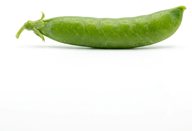
- Stir the coconut paste into the pan with 60 g green pea and the black pepper for the sauce. Simmer for 2 minutes. Whisk 45 g greek yoghurt, stir it in and simmer for 1 minute. Season with salt to taste and scatter over coriander leaves to taste.
- For the tadka, heat 13.5 g vegetable oil in a small frying pan over medium heat. Add the tadka spices (3.2 g black/brown mustard seed, 2.5 g dried mild chilli): fry the mustard seeds until they pop, then take the pan off the heat and quickly add 6 g curry leaves.
- Pour the hot tadka over the avial and serve with rice.
Don't have something?


 Peanut oil
Use 1:1 by weight. Handles high-heat frying identically and introduces a very subtle, pleasant nuttiness.
 Ghee
Use 1:1 by weight. Yields a much richer, authentic aroma and a glossy, heavier mouthfeel.
 Mustard oil
Use 1:1 by weight. Heat until smoking, then cool slightly before cooking to temper its intensely pungent, sharp mustard kick.






 Ground ginger
Use 50% of the weight. Mimics turmeric's warm, earthy, rhizome background, but provides none of the golden-yellow colour.
 Saffron
Steep a tiny pinch (0.1 g per 2 g turmeric) in 2 tbsp warm water; use to match the rich golden hue. Contributes an aristocratic, honeyed floral flavour rather than earthy bitterness.


 Turnip
Use the same weight; peel and cut as for carrot. It is less sweet and slightly peppery, so add a pinch of sugar and expect a softer, more earthy result.
 Potato
Use the same weight; cut into similar pieces and add 5–10 minutes' extra cooking. It gives bulk but no carrot sweetness or colour.
 Courgette
Use the same weight; cut a little larger and add near the end. It releases water, so reduce other liquid slightly and expect a softer texture.


 Eggplant
Use equal weight. Cut into large chunks; cooks down much faster (10-12 minutes) and softens into the sauce rather than staying starchy and firm.
 Paneer
Use 80% of the weight. Cube and add in the last 5-10 minutes of cooking; adds rich dairy protein instead of starchy bulk.
 Dried chickpea
Use 45% dry weight. Soak overnight and boil until fully soft before stirring into the sauce to simmer for 10 minutes.



 French bean
Use the same weight, top and tail; same result.
 French green bean
Use the same weight; same result.
 Cluster bean
Use the same weight, cut into lengths; firmer and earthier, cook slightly longer.




 Black peppercorn
Use the same weight and crush or grind as the recipe needs; whole peppercorn is the same spice.
 Ground black pepper
Use the same weight; add nearer the end if the recipe calls for whole pepper, as ground loses aroma faster.
 Ground white pepper
Use about 75–80% of the weight; it is milder and earthier, with less bite.


 Hung natural yoghurt
Use the same weight and whisk smooth; same thick consistency.
 Full-fat natural yoghurt
Use 1.25 times the weight and strain through muslin for 30 minutes; looser if not strained.
 Hung yogurt
Use the same weight; virtually identical.


 Coriander (cilantro) or basil
Use the same weight, choosing the coriander element if available. If only basil is available, expect a sweeter, more aniseed flavour.
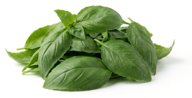 Basil leaves
Use the same weight. Basil is sweeter and more aromatic in a different way; add near the end so it keeps its perfume.
 Coriander paste
Use 1.5 times the weight and reduce other liquid slightly; it is less fresh and more concentrated, so taste before adding more.


 Fresh coconut
Grate the same weight just before use; keep the texture coarse for garnishes.
 Grated desiccated coconut
Use 70% of the weight, soak in warm water for 10 minutes and squeeze dry before use.
 Desiccated coconut
Use 70% of the weight, soak in warm water for 10 minutes and drain; it will be drier and less milky.


 Ginger paste
Use equal weight. Sauté in hot fat until the raw allium smell disappears; slightly wetter, but provides identical warmth and pungency.
- Ground ginger
Use 20% to 25% of the weight (1 g for every 4 to 5 g fresh). Stir into the gravy; adds peppery heat and warmth, though it misses the crisp, zesty kick of raw root.


 Ground cumin
Use 70% of the weight; add with ground spices or sauce bases rather than hot oil tempering, where it scorches quickly and turns bitter.
 Black cumin seeds
Use equal weight for oil tempering. Delivers an earthy profile with an additional musky, smoky, and slightly bitter edge.
 Fennel seed
Use 60% of the weight for tempering; offers comparable warm aroma, but leans sweet and liquorice-like rather than savoury and earthy.


- Bird's eye green chilli
Use the same weight; heat and flavour are very close.
 Green chilli
Use 1.5 to 2 times the weight; deseed for less heat. Larger chillies are more watery.
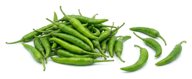 Fresh green chilli
Use 1.5 to 2 times the weight; chop finely and adjust heat by tasting.


 Mustard seeds
Use equal weight. Pop in hot fat until they crackle and turn greyish; yields an almost identical nutty, pungent finish.
 Yellow mustard seeds
Use equal weight. Fry over medium heat; delivers a milder, sweeter pop and turns bitter quickly if the oil is excessively hot.


 Dried kashmiri chilli
Use the same weight; similar mild heat and good colour. Remove seeds if you want it milder.
 Kashmiri red chilli powder
Use half the weight of whole chilli (1 g powder for 2 g whole); add to hot oil briefly so it does not burn.
 Paprika
Use the same weight; sweeter and milder, good for colour. Add a pinch of cayenne pepper if you need heat.


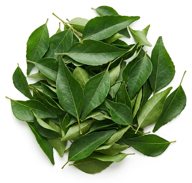
 Curry leaf
Use the same weight; tear and fry in oil as usual.
 Lime leaf
Use 50% of the weight, torn; citrusy but not resinous.
- Basil leaves
Use the same weight; sweet and aniseed-like, but quite different.


Similar dishes

- Same: Kerala Vegetable Kurma and this dish are both mild South Indian mixed-vegetable curries with coconut, mustard seed, ginger, green chilli, curry leaves, carrot, potato and green beans.
- Different: Kerala Vegetable Kurma uses coconut milk, tomato, fennel, cinnamon and cauliflower, while this dish uses grated coconut, yoghurt, turmeric and a mustard-seed tempering and has no tomato or cinnamon.

- Same: Puducherry Vegetable Kurma shares with this dish a South Indian mixed-vegetable base of onion, carrot, potato, green bean and pea, plus coconut, turmeric, green bird’s eye chilli, ginger, vegetable oil and coriander.
- Different: Puducherry Vegetable Kurma adds tomato, garlic, cardamom, clove, cinnamon, Kashmiri chilli powder, ground coriander, garam masala, sugar, cashew and poppy seeds, and simmers the vegetables in a coconut-cashew paste, while this dish uses yoghurt, mustard-seed tempering, curry leaves, cumin, black pepper and dried mild chilli and lacks those whole spices and tomato.

- Same: Goan Prawn Caldinho shares coconut, turmeric, cumin seed, green bird’s eye chilli, ginger, onion, vegetable oil and coriander leaves with this dish.
- Different: Goan Prawn Caldinho uses king prawns, coconut milk, tamarind paste, Goan vinegar, tomato, garlic, coriander seeds and sugar, while this dish uses mixed vegetables, grated coconut, yoghurt, mustard-seed tempering, curry leaves and dried chilli.

- Same: Molagootal shares with this dish a South Indian coconut-and-vegetable base, mustard-seed tempering, curry leaves, cumin and chilli.
- Different: Molagootal uses moong dal and mixed vegetables with only 30 g fresh coconut ground into a chilli paste, plus urad dal in the tempering, while this dish has no dal and uses 400 g grated coconut, potato, carrot, green bean, pea, onion, ginger, turmeric, black pepper, yoghurt and two oils.