Indian cooking
Indian cooking / Dishes / Goan Prawn Caldinho
Goan Prawn Caldinho ()

Goan Prawn Caldinho

Non-vegetarianOrigin Goa

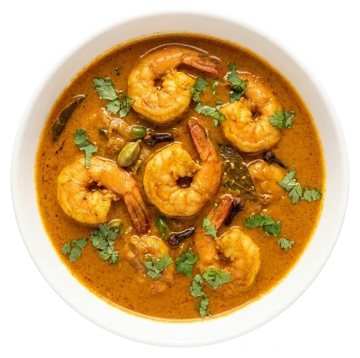
A Goan prawn curry with a coconut milk base, gentle tamarind sourness and warm ground spices. It is lightly sweet, aromatic and not very hot, with tender pink prawns.

Prawn marinade turmeric

1.5 gMixed with the prawns, vinegar and salt (step 1)
01
1.5 g½ teaspoon
spice
Keep as it is; it goes into the prawn marinade.

Ground spice mix

8 gStirred into the onion and tomato base (step 6)
01
2.1 g1 teaspoon
spice
02
0.8–0.9 g15–18 peppercorns
spice
03
5 g1 tablespoon
spice
Grind to a fine powder.

Everything else

01
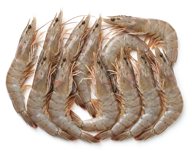
King prawn · Bada Jhingashelled and deveined, tails left on
400 g
seafood
02
15 g1 tablespoon
souring agent
03
14 g1 tablespoon
oil/fat
04
Onion · Pyazfinely chopped
150 g1 onion
vegetable
05
Tomato · Tamatarfinely chopped
120 g1 tomato
vegetable
06
Garlic · Lehsunpounded to a paste
9 g3 cloves
aromatic
07
Fresh ginger · Adrakpounded to a paste
10 g2½ cm
aromatic
09
18 g1 tablespoon
souring agent
10
4.5 g3 chillies
vegetable
11
~0.3 gpinch
sweetener
12
to taste
salt
13
1.5 g1 tablespoon
herb

Method

  1. Mix 400 g king prawn, shelled and deveined with tails left on, with 1.5 g ground turmeric, 15 g Goan vinegar and a pinch of salt. Leave for 15–20 minutes.
  2. Grind 2.1 g cumin seed, 0.8–0.9 g black peppercorn and 5.1 g coriander seeds to a fine powder; set aside as the ground spice mix.
  3. Heat 13.5 g vegetable oil in a pan over medium heat. Fry 150 g onion, finely chopped, for 5–7 minutes until it starts to turn light brown.
  4. Add 120 g tomato, finely chopped, and cook for 5 minutes until it softens.
  5. Add 9 g garlic, pounded to a paste, and 10 g fresh ginger, pounded to a paste, and fry for 1 minute.
  6. Stir in the ground spice mix (the masala) and cook for 2 minutes.
  7. Add the marinated prawns and stir for 20–30 seconds to coat them.
  8. Pour in 406 g coconut milk, 80 ml water and 18 g tamarind paste; stir well.
  9. Cover and simmer gently for 4–5 minutes only, until the prawns turn pink.
  10. Add 6 g green bird’s eye chilli, slit lengthways, and 0.3 g granulated sugar; stir.
  11. Scatter over 1.5 g coriander leaves, chopped, then taste and add salt if needed.

Don't have something?

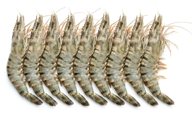
King prawn
  • Tiger prawn

    Use the same weight; split or halve if large. Same sweet shellfish flavour, similar cooking time.

  • Large prawn

    Use the same weight; they may need 1 minute less cooking. Slightly less sweet.

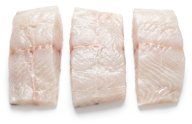
  • Firm white fish fillet

    Use the same weight, cut into chunks and add 2-3 minutes later. Flakes easily and lacks prawn juice.

Ground turmeric
  • Ground ginger

    Use 50% of the weight. Mimics turmeric's warm, earthy, rhizome background, but provides none of the golden-yellow colour.

  • Saffron

    Steep a tiny pinch (0.1 g per 2 g turmeric) in 2 tbsp warm water; use to match the rich golden hue. Contributes an aristocratic, honeyed floral flavour rather than earthy bitterness.

Coconut vinegar
  • White wine vinegar

    Use the same weight; it is sharper and more neutral, so taste before adding more.

  • Malt vinegar

    Use the same weight; darker and maltier, fine in chutneys but not in delicate dishes.

  • Lime juice

    Use the same weight; it gives citric rather than vinegary sourness, so add salt a little at a time.

Cumin seed
  • Ground cumin

    Use 70% of the weight; add with ground spices or sauce bases rather than hot oil tempering, where it scorches quickly and turns bitter.

  • Black cumin seeds

    Use equal weight for oil tempering. Delivers an earthy profile with an additional musky, smoky, and slightly bitter edge.

  • Fennel seed

    Use 60% of the weight for tempering; offers comparable warm aroma, but leans sweet and liquorice-like rather than savoury and earthy.

Black peppercorn
  • Coarsely ground black pepper

    Use 75% of the weight. Add midway through simmering; spreads heat evenly through the dish instead of delivering isolated bursts.

  • Ground black pepper

    Use 50% of the weight. Stir in near the end of cooking; significantly darkens light gravies and provides an immediate, sharp bite.

Coriander seeds
  • Ground coriander

    Use 75% of the weight; stir in along with wet masala or tomato purée rather than frying in hot oil, as the fine powder burns instantly.

  • Cumin seed

    Use 50% of the weight for tempering in hot oil. Lacks the floral, sweet citrus flavour of coriander, introducing warm, pungent earthiness instead.

  • Fennel seed

    Use 50% of the weight in tempering; provides pleasant aromatic sweetness, though noticeably aniseedy rather than citrusy.

Vegetable oil
  • Peanut oil

    Use 1:1 by weight. Handles high-heat frying identically and introduces a very subtle, pleasant nuttiness.

  • Ghee

    Use 1:1 by weight. Yields a much richer, authentic aroma and a glossy, heavier mouthfeel.

  • Mustard oil

    Use 1:1 by weight. Heat until smoking, then cool slightly before cooking to temper its intensely pungent, sharp mustard kick.

Onion
  • Shallot

    Use equal weight, finely sliced. Shallots soften and brown faster, giving a slightly sweeter and more delicate base to curries.

  • Cabbage

    Use 80% of the weight, finely shredded and browned slowly with a pinch of asafoetida. Replicates the bulk and natural sweetness in gravies without allium.

Tomato
  • Tomato purée

    Use 40% to 50% of the fresh tomato weight mixed with a splash of water. Imparts a deeper red colour, thicker sauce, and slightly sweeter cooked flavour.

  • Plain yogurt

    Use 60% of the weight, whisked smooth and added on low heat. Provides rich body and sourness, though the gravy becomes paler and creamier.

Garlic
  • Garlic paste

    Use equal weight. Fry gently in oil or ghee with the ginger; incorporates smoothly into curries without visible minced bits.

  • Garlic powder

    Use 15% to 20% of the weight (about 1 g for every 5 to 6 g fresh cloves). Whisk into sauces; gives a savoury, toasted garlic flavour without raw pungency.

  • Shallot

    Use 1.5 times the weight, very finely minced. Sauté until golden; provides savoury allium sweetness, though it lacks garlic's pungent sulphur bite.

Fresh ginger
  • Ginger paste

    Use equal weight. Sauté in hot fat until the raw allium smell disappears; slightly wetter, but provides identical warmth and pungency.

  • Ground ginger

    Use 20% to 25% of the weight (1 g for every 4 to 5 g fresh). Stir into the gravy; adds peppery heat and warmth, though it misses the crisp, zesty kick of raw root.

Coconut milk
  • Single cream

    Use equal weight; simmer gently over low heat to prevent curdling. Imparts a comparable rich texture, though it adds dairy richness without any coconut fragrance.


  • Cashew paste

    Whisk 1 part cashew paste with 2 parts water to match the consistency, then use equal weight. Provides a thick, velvety body without coconut flavour.

  • Whole milk

    Use equal weight, but reduce other cooking liquids by 20% to compensate for the lower viscosity. The curry will be lighter and lack sweetness.

Tamarind paste
  • Tamarind pulp

    Use 120–150% of the weight and strain; pulp is less concentrated, so simmer a little longer to thicken.

  • Tamarind extract

    Use 150–200% of the weight and reduce gently; extract is already diluted.

  • Lime juice

    Use 60–70% of the weight with a pinch of jaggery; sharper, so add near the end off the heat.

Green bird's eye chilli
  • Bird's eye green chilli

    Use the same weight; heat and flavour are very close.

  • Green chilli

    Use 1.5 to 2 times the weight; deseed for less heat. Larger chillies are more watery.

  • Fresh green chilli

    Use 1.5 to 2 times the weight; chop finely and adjust heat by tasting.

Granulated sugar
  • Jaggery

    Use equal weight; grate or shave finely so it dissolves rapidly, giving a warm, caramel-like sweetness and slightly darker sauce.

Coriander leaves
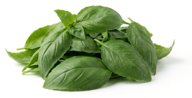
  • Coriander (cilantro) or basil

    Use the same weight, choosing the coriander element if available. If only basil is available, expect a sweeter, more aniseed flavour.

  • Basil leaves

    Use the same weight. Basil is sweeter and more aromatic in a different way; add near the end so it keeps its perfume.

  • Coriander paste

    Use 1.5 times the weight and reduce other liquid slightly; it is less fresh and more concentrated, so taste before adding more.

Similar dishes

Maharashtrian Kolambicha Kalwan
Prawn Curry with Curry Leaves, Green Chillies, Coconut and Coriander
Maharashtrian Kolambicha Kalwan tastes tangier, richer and moderately hot from green chilli and Kashmiri chilli powder, while this dish is lightly sweet, aromatic and not very hot.
  • Same: Maharashtrian Kolambicha Kalwan shares a prawn-and-coconut-milk curry base with this dish, along with tamarind, turmeric, cumin, black peppercorn, garlic, ginger, green bird’s eye chilli, vegetable oil and coriander.
  • Different: Maharashtrian Kolambicha Kalwan adds curry leaves, Kashmiri chilli powder, malt vinegar and 150 g coconut, uses much less coconut milk and more water and oil, and lacks this dish’s onion, tomato and sugar.
Goan Fish Caldine
Coconut Fish Curry with Green Chilli, Cumin and Tamarind
Goan Fish Caldine tastes like a soft coconut fish curry with gentle tamarind-vinegar sourness, warm cumin and pepper, and green chilli-coriander lift, so it is similar in sourness and spice to this dish but uses cod rather than prawns.
  • Same: Goan Fish Caldine shares the coconut milk base, tamarind paste, Goan vinegar, turmeric, cumin, black pepper, coriander seeds, green bird’s eye chilli, onion, tomato, garlic, ginger and sugar with this dish.
  • Different: Goan Fish Caldine uses 600 g cod fillet instead of 400 g king prawn, adds 79.5 g water, uses 27 g vegetable oil versus 13.5 g, and has less onion and tomato than this dish.
Chingri Malai Curry
Bengali-Style Prawn Curry
Chingri Malai Curry tastes richer and less sour than this dish, with a mustard tang and whole-spice aroma instead of this dish’s gentle tamarind sourness.
  • Same: Chingri Malai Curry shares prawns, turmeric, coconut milk, onion, ginger, garlic, green bird’s eye chilli, vegetable oil, sugar, salt and coriander leaves with this dish.
  • Different: Chingri Malai Curry uses whole green cardamom, clove and bay leaf, plus grated or desiccated coconut and English mustard, while this dish uses ground cumin, coriander and black pepper, tamarind paste and Goan vinegar and has much more coconut milk.
Jhingri Machher Malikari
Prawns (Shrimp) in Coconut Sauce
Jhingri Machher Malikari tastes less sour than this dish, with a stronger mustard-oil note, more fried-onion sweetness and a thicker, less coconut-milk-heavy gravy.
  • Same: Jhingri Machher Malikari shares with this dish a prawn-and-coconut-milk curry base, turmeric, cumin, coriander, chilli, sugar and salt.
  • Different: Jhingri Machher Malikari uses mustard oil, far more onion and prawn, ground spices and fried onions, and it lacks this dish's tomato, tamarind, vinegar, garlic, ginger and green bird's eye chilli; it is served with steamed rice.