Indian cooking
Indian cooking / Dishes / Hyderabadi Dum ki Biryani
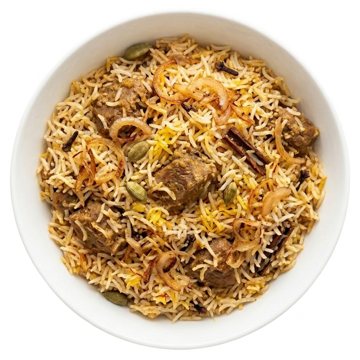
Hyderabadi Dum ki Biryani (Aromatic Slow-cooked Biryani)

Hyderabadi Dum ki Biryani

Aromatic Slow-cooked Biryani
Non-vegetarianOrigin HyderabadPrep 1½ hoursCook 1 hour

A regal Hyderabadi biryani featuring tender meat layered with par-cooked fragrant basmati rice and slow-cooked in a sealed pot with saffron, cream, and warm aromatics.

Saffron

1.4 gSteeped in milk at the beginning (step 1)
01
1.4 g2 teaspoons
spice
Crush lightly with a pestle before steeping.

Potli spices

1.3 gBundled into muslin for boiling the rice (step 2)
01
0.9–1.1 g5–6 pods
spice
02
0.4–0.4 g5–6 cloves
spice
Coarsely crush and tie tightly into a muslin square.

Marinade spice

2.7 gWhisked into the yogurt (step 3)
Keep as a ground powder to whisk into the yogurt.

Whole spices

4.7 gFried in ghee before the onions (step 5)
02
0.2 g3 cloves
spice
03
2.6 g2 pieces
spice
04
1 g2 leaves
spice
Keep whole: they go into the hot ghee together.

Ginger-garlic paste

36 gStirred into the fried onions (step 5)
Blend or mash together into a paste.

Finishing spices

1.9 gStirred into the meat and reduced sauce (step 7)
01
0.6 g⅓ teaspoon
spice
Grind together to a fine aromatic powder.

Everything else

01
31 g2 tablespoons
dairy
03
44 g3 tablespoons
liquid
04
15 g1 tablespoon
souring agent
05
500 g
meat
06
Ginger · Adrakpeeled and chopped
24 g1 piece
aromatic
07
Green chilli · Hari Mirchde-seeded and chopped
18–24 g3–4 chillies
vegetable
08
9 g6 tablespoons
herb
09
6 g4 tablespoons
herb
10
6 g4 teaspoons
aromatic
11
Gheemelted
20 g1½ tablespoons
oil/fat
12
to taste
salt
14
127 g125 ml
dairy
15
66 g5 tablespoons
oil/fat
16
80 g
vegetable
17
31 g2 tablespoons
souring agent
18
60 g4 tablespoons
dairy
19
~0.1 g1 drop
other

Method

  1. Preheat the oven to 180°C (350°F). Crush the saffron (1.4 g) with a pestle, then stir it into 30.6 g lukewarm milk in a small bowl to infuse.
  2. Place the potli spices (0.9–1.1 g ground green cardamom pod and 0.4–0.4 g ground clove) onto a small piece of muslin and tie securely with kitchen twine to make a pouch.
  3. Whisk 127 g plain yogurt with the marinade spice (2.7 g yellow chilli powder) in a bowl; set aside.
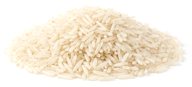
  4. Bring 1.5 litres of water to a boil in a large saucepan, add the spice pouch, and season with salt. Add 250 g rinsed basmati rice, 44.1 g rosewater, and 15.3 g lemon juice. Cook at a rolling boil for 15–18 minutes, stirring occasionally, until three-quarters cooked. Drain thoroughly, discard the spice pouch, and set the rice aside.
  5. Melt 66 g ghee in a heavy-bottomed pot over medium heat. Add the whole spices (0.9 g green cardamom pod, 0.2 g clove, 2.6 g cinnamon stick, and 1 g bay leaf) and fry for about 1 minute until fragrant and the pods colour. Stir in 80 g sliced onion and cook for 5–7 minutes until golden brown. Add the ginger-garlic paste (26 g garlic paste and 10.4 g ginger paste) and cook for 30 seconds. Add 500 g meat chunks and brown for 2 minutes, then season with salt to taste. Lower the heat, cover, and gently cook for 20 minutes, stirring occasionally and splashing in water if it catches. Uncover and fry for 10 minutes until all surface moisture dries up.
  6. Take the pot off the heat, stir in the spiced yogurt mixture, and return to low heat for 1 minute. Cover and simmer for 5–7 minutes until mostly reduced, then uncover and cook until the liquid evaporates completely and the fat separates. Pour in 500 ml water, bring to a boil, then cover and gently simmer for 20 minutes until the meat is tender.
  7. Lift out the meat chunks and strain the gravy through a fine sieve into a clean pan. Stir 30.6 g lemon juice and 60 g single cream into the strained gravy, taste for salt, and reserve one quarter of this sauce in a separate bowl. Return the meat to the remaining sauce in the pan, clustering it in the centre, and dust with the finishing spices (0.6 g ground mace and 1.3 g ground green cardamom).
  8. Set the meat pan over low heat. Scatter over half of the 24 g chopped ginger, 18–24 g chopped green chilli, 6 tbsp chopped mint, 4 tbsp chopped coriander, 4 tsp fried onions, and half the infused saffron milk. Surround the meat with half of the cooked rice. Scatter the remaining ginger, green chillies, mint, coriander, fried onions, and saffron milk over top, then cover with the rest of the rice. Pour over the reserved sauce and drizzle with 19.8 g melted ghee. Bring the pot to a brief boil, remove from the heat, and sprinkle over 0.1 g ittar.
  9. Fit the lid tightly onto the pot and seal the rim completely with 150 g dough or aluminium foil. Transfer to the oven and bake for 15–20 minutes until thoroughly steamed and aromatic.

Don't have something?

Saffron
  • Ground turmeric

    Use 15% of the saffron's weight. Replicates the bright yellow colour well, but lacks the floral, earthy depth; use sparingly to avoid bitterness.

  • Screwpine water or rosewater

    Use a few drops combined with a tiny pinch of ground turmeric to mimic both the regal floral aroma and the golden hue.

Milk
  • Whole milk

    Use equal weight; provides the standard rich dairy fat and body expected in creamy Indian bases.

  • Single cream

    Dilute 3 parts cream with 1 part water to match the weight; yields a richer, glossier gravy that resists curdling.

  • Plain yogurt

    Whisk thoroughly and use equal weight; adds extra body and a mild pleasant acidity, best added off the heat.

Basmati rice
  • Plain boiled rice

    Use 2.5 times the weight if substituting pre-cooked rice. Fold in gently at the end of the recipe; grains will be shorter and less fragrant.

Rosewater
  • Screwpine water or rosewater

    If using kewra water, use 50% of the volume specified; it is intensely floral and pungent, so add drop by drop to avoid overpowering.

  • Ground green cardamom

    Use 0.5 g ground spice for every 5 ml rosewater. Adds warm, perfumed top notes, shifting the aroma from floral to sweet spice.

  • Dried rose petals

    Steep 1 g dried petals in 15 ml hot milk or water for 10 minutes, strain, and stir in for a subtle, natural floral note.

Lemon juice
  • Lime juice

    Use equal volume or weight; delivers almost identical sharp acidity with a faintly more aromatic, bitter-edged profile.

  • Dried mango powder

    Use 25% of the weight (about 1 g amchoor for 4 g juice); provides clean fruity tartness without thinning the sauce.

  • White vinegar

    Use 75% of the volume; gives direct sourness without any citrus floral fragrance.

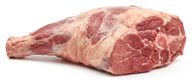
Leg of kid or lamb
  • Leg of lamb

    Use the same weight and cooking method; check tenderness 10 minutes earlier.

  • Leg of goat

    Use the same weight; cook 15–20 minutes longer, as goat is tougher and stronger.

  • Lamb shoulder

    Use the same weight; more fat and marbling, so cook 10–15 minutes longer and skim the fat.

Ginger
  • Fresh ginger

    Use equal weight; scrape off the skin and grate or finely julienne according to the recipe.

  • Ginger paste

    Use equal weight; stir straight into the sizzling aromatics, taking care as the extra moisture may spit.

  • Ground ginger

    Use 15 to 20% of the weight; add alongside ground spices, noting it imparts warm, dry heat rather than zesty freshness.

Green chilli
  • Chilli powder

    Use 10 to 15% of the weight (about 1/4 teaspoon per chilli); imparts dry pungent heat and reddens the dish without the grassy crunch.

  • Dried red chilli

    Use 1 dried pod per fresh green chilli; snap in half and temper in hot oil for a deeper, toastier heat.

Mint
  • Dried mint

    Use about 30% of the weight of fresh mint. Rub between your palms to crush before stirring in; the flavour will be more intensely herbal and less bright.

  • Coriander leaf

    Use equal weight, finely chopped. Adds fresh citrusy green notes, but lacks the cooling menthol lift.

Coriander
  • Coriander leaf

    Use equal weight, chopped fresh and stirred in off the heat or used as garnish. Matches the citrus-herbal profile identically.

  • Mint

    Use 40% to 50% of the weight; chop finely and add at the very end. Adds fresh herbal brightness, but shifts the aroma toward cool menthol.

Fried onion
  • Crispy onion

    Use the same weight; it is the same fried onion, so adjust salt if already salted.

  • Fried onion paste

    Use 1.2 times the weight; it is wetter, so cook a little longer to dry.

  • Onion

    Slice and fry 100 g raw onion to get about 30 g fried; use that weight.

Ghee
  • Unsalted butter

    Use 120% of the weight; melt gently over low heat to avoid burning the milk solids, which will yield a softer, creamier richness rather than a nutty aroma.

  • Vegetable oil

    Use 85% of the weight; holds high cooking temperatures without smoking, but the final dish will lack traditional dairy depth.

  • Mustard oil

    Use equal weight; heat to smoking point and cool slightly before cooking, bearing in mind it introduces an assertive, pungent edge.

Dough
  • Plain boiled rice

    If dough was intended to accompany a curry (such as flatbreads), serve equal cooked weight of rice instead.

Green cardamom pod
  • Green cardamom seed

    Use 35 to 40% of the total pod weight; lightly bruise the seeds before frying in oil to release their essential oils.

  • Ground green cardamom

    Use 20 to 25% of the pod weight (about 1 generous pinch per pod); stir in toward the end of cooking so the delicate floral notes do not dissipate.

  • White cardamom pod

    Use 1:1 by pod count or weight; crack gently before using, though it is slightly less intensely floral.

Clove
  • Ground cloves

    Use 1 g ground for 4 g whole (or 1 small pinch per 2 to 3 whole cloves). Add with spice powders; disperses intense warmth quickly, so use with restraint.

  • Allspice berries

    Use 100% of the weight whole in tempering. Imparts a warm, clove-like aromatic profile combined with hints of nutmeg and cinnamon.

  • Black cardamom pod

    Use 1 pod for 3 to 4 cloves in whole tempering. Shares a camphor-like warmth and medicinal depth, though it introduces a distinct smoky undertone.

Plain yogurt
  • Yogurt

    Use equal weight, whisked thoroughly until smooth before adding to hot dishes to prevent curdling.

  • Coconut milk

    Use equal weight with 1 teaspoon lemon juice mixed in. Provides rich creaminess in curries, but adds a noticeable coconut flavour.

  • Single cream

    Use 80% of the weight plus a squeeze of lemon juice for acidity. Enriches sauces nicely, though it is richer and less tangy.

Yellow chilli powder
  • Green chilli

    Use 100% of the weight, finely minced or ground into a smooth paste. Provides sharp heat while preserving the light colour of delicate kormas.

  • Kashmiri chilli powder

    Use 50% to 75% of the weight. It brings mild heat but will turn pale or white sauces noticeably orange-red.

  • Red chilli powder

    Use 50% of the weight. Gives strong, sharp heat, but will stain cream-based or yellow Mughlai gravies red.

Cassia bark
  • Ceylon cinnamon

    True cinnamon: thinner, papery quills, milder and sweeter. Use about 1.5 times the weight, and taste.

  • Ground cinnamon (cassia)

    Use about a third of the weight (0.5 g ground for a 2.5 cm piece), stirred in with the ground spices rather than fried whole, since the powder burns quickly.

  • Cassia buds

    Use 60-70% of the weight; stronger and more peppery, so taste before adding more.

Bay leaf
  • Cinnamon stick

    Use a 2 cm piece (about 1 g) for every 1 to 2 bay leaves. Fry in whole-spice temperings; provides the cassia-like warmth typical of Indian tejpatta.

  • Ground cinnamon (cassia)

    Use 0.5 g per leaf. Stir into the sauce during simmering; gives the same warm woodiness but darkens the colour slightly.

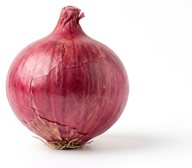
Onion
  • Shallot

    Use equal weight, finely sliced. Shallots soften and brown faster, giving a slightly sweeter and more delicate base to curries.

  • Cabbage

    Use 80% of the weight, finely shredded and browned slowly with a pinch of asafoetida. Replicates the bulk and natural sweetness in gravies without allium.


Garlic paste
  • Garlic

    Use equal weight; crush or finely grate to a smooth pulp to replicate the same fresh, pungent moisture in your base gravy.

  • Garlic powder

    Use 20 to 25% of the weight; mix with a teaspoon of water before adding to oil so it does not burn, noting it lacks the fresh bite.

Ginger paste
  • Fresh ginger

    Use equal weight; peel and grate very finely on a microplane or pound to a fine paste in a mortar.

  • Ginger

    Use equal weight; mince finely and crush with the flat of a knife before frying.

  • Ground ginger

    Use 20% of the weight; add directly with the dry spice powders, though it yields an earthier, less pungent profile.

Single cream
  • Whole milk

    Use equal weight, whisked with a small knob of unsalted butter. Simmer gently over low heat to reduce curdling; sauce will be slightly lighter.

  • Clotted cream

    Use 50% weight combined with 50% whole milk, whisked until smooth. Adds intense richness, so stir in at the very end off the heat.

  • Cashew paste

    Use 60% cashew paste mixed with 40% warm water. Creates a silky, luxurious thickening that won't split even under high heat.

Ground mace
  • Mace blade

    Grind dried blades finely in a spice mill; use equal weight (1:1). Provides an identical, freshly aromatic, sweet-musky profile.

  • Ground nutmeg

    Use 75% to 80% of the weight. Derived from the seed of the same tree, it shares the flavour profile but is heavier, sweeter, and more pungent.

  • Ground cinnamon (cassia)

    Use 50% of the weight. Adds warming sweetness, but lacks mace's savoury, elegant floral notes.

Ground green cardamom
  • Green cardamom seed

    Grind freshly extracted inner black seeds finely; use equal weight (1:1). Greatly superior aroma with potent eucalyptus and citrus notes.

  • Green cardamom pod

    Lightly crack whole pods and simmer them in the gravy; use 150% of the weight of ground cardamom. Fish out the pods before serving.

  • Ground nutmeg

    Use 50% of the weight. Delivers warm, sweet aroma, but lacks cardamom's cooling, citrusy top notes.

Ittar
  • Rosewater

    Use about 1 teaspoon for every 2 drops of ittar, added at the end. It is far less concentrated and adds liquid.

  • Screwpine water

    Use about 1 teaspoon for every 2 drops of ittar, added off the heat. The aroma is different but still perfumed.

  • Rose syrup

    Use 1/2 teaspoon for every 2 drops of ittar and reduce any other sugar slightly. It adds sweetness as well as perfume.

Similar dishes

Yakhni Pulao
Lamb Stock Pulao
Yakhni Pulao has a milder, deeply savory meat-stock flavor without the floral perfume of rosewater and saffron or the heat of fresh and powdered chillies found in this dish.
  • Same: Both dishes cook basmati rice in ghee with yogurt, milk, and whole spices such as cardamom, cinnamon, cloves, and bay leaves.
  • Different: Yakhni Pulao cooks the rice directly in rich meat stock and a larger quantity of milk instead of layering and sealing the pot with dough, omitting the saffron, rosewater, mace, and chillies used in this dish.
Qorma Pulao
Curried Lamb Pulao
Qorma Pulao tastes more directly of savory mutton gravy and sweet browned onions, without the floral rose notes, citrus tang, and creamy heat of this dish.
  • Same: Qorma Pulao also layers spiced meat with basmati rice to slow-cook under a dough seal using ghee, saffron, milk, cardamom, cloves, and cinnamon.
  • Different: Qorma Pulao uses pre-cooked mutton qorma and far more fried onions, whereas this dish uses raw marinated meat with cream, lemon juice, rosewater, yellow chilli, and mace.
Shahi Biryani
Imperial Biryani
Shahi Biryani tastes richer and more ghee-heavy, with black cardamom and peppercorn resinous notes and turmeric earthiness, but it is less tart, less floral, less creamy, and less herbaceous than this dish.
  • Same: Shahi Biryani shares with this dish basmati rice, lamb, saffron, ghee, yogurt, clove, cinnamon, bay leaf, and a dough-sealed layered pot.
  • Different: Shahi Biryani adds black cardamom, black peppercorn, and turmeric but lacks this dish's lemon juice, rosewater, cream, mint, coriander, green chilli, fried onions, mace, green cardamom, and ittar, and it uses 250 g ghee with no cream versus this dish's about 86 g ghee plus 60 g cream.
Kacchi Biryani
Saffron-flavoured Meat Cooked with Rice
Kacchi Biryani has a meatier, herb-forward flavour with pure heat from standard chilli powder, lacking the rich creaminess, floral rose notes, and sharp citrus tang of this dish.
  • Same: Both are layered basmati rice biryanis sealed with dough and slow-cooked over low heat with ghee, yogurt, milk, green chillies, cardamom, cloves, and cinnamon.
  • Different: Kacchi Biryani cooks raw lamb tenderised with unripe papaya and adds fresh mint and coriander leaves, but omits this dish's single cream, rosewater, mace, bay leaf, and lemon juice.