Indian cooking
Indian cooking / Dishes / Bharwan Pasande
Bharwan Pasande (Stuffed Pasanda)

Bharwan Pasande

Stuffed Pasanda
Non-vegetarian●●●Origin AwadhPrep 1 hour, plus soaking timeCook 1 hour 10 minutes

Bharwan Pasande features tender meat fillets wrapped around a spiced stuffing and braised in a luxurious, slow-cooked gravy. Enriched with browned onions, yogurt, poppy seeds, and fragrant aromatics, the dish is rich, savory, and delicately spiced.

Poppy seeds for the paste

25 gGround with the soaked aromatics into a paste (step 3)
01
25 g3 tablespoons
spice
Keep whole for processing into the paste.

Ground spices for the sauce

12 gStirred into the hot ghee (step 5)
01
2.6 g1 teaspoon
spice
02
4.5 g1½ teaspoons
spice
Stir together until evenly blended.

Cardamom pods

1.1 gAdded with the remaining yogurt (step 6)
Leave whole.

Everything else

02
to taste
salt
03
Ginger · Adrakpeeled and finely chopped
29 g1 piece
aromatic
04
50 g
nut/seed
05
Coriander · Dhaniafinely chopped
~30 g1 handful
herb
06
Mint · Pudinafinely chopped
~4–5 g4–5 sprigs
herb
07
200 g4 eggs
egg
08
50 g1 lime
fruit
09
~0.3 g1 pinch
salt
10
20 g2 figs
fruit
11
20–25 g4–5 pieces
fruit
12
12 g1 piece
aromatic
13
27 g3 tablespoons
aromatic
14
250 g
oil/fat
15
Onion · Pyazthinly sliced
500 g
vegetable
16
507 g500 ml
dairy
17
540 g3 tomatoes
vegetable
18
2.6 g1 teaspoon
spice blend
19
to taste
herb

Method

  1. Submerge 2 None (figs) and 4 None (kachri) in a bowl of water to soak for 1 to 2 hours, then pour off the water.
  2. Combine 28.8 g ginger, 50 g None, 30 g None, 4–5 g None, 4 None, the juice of 1 None, and 0.3 g salt in a bowl to make the filling. Lay out the 1000 g None (the book recipe Pasanda Kebab), place a spoonful of filling onto the centre of each piece, roll the meat around the stuffing, and tie securely with kitchen twine.
  3. Transfer the drained figs and kachri into a blender along with 12 g ginger, 3 tablespoon garlic, and the poppy seeds for the paste. Grind to a smooth paste.
  4. Warm 250 g ghee in a wide, heavy-bottomed pot over medium heat. Add 500 g onion and fry for 5 to 7 minutes until golden brown. Scoop out the onions with a slotted spoon, blend to a puree in a food processor, and reserve.
  5. Stir the ground spices for the sauce into the hot ghee. Mix in the blended paste, to taste salt, and 1 to 2 teaspoons of the 507 g plain yogurt. Add 3 None (tomatoes) and cook for roughly 5 minutes, stirring steadily, until the masala darkens to a deep brown and the ghee separates out.
  6. Stir in the rest of the whisked yogurt and add the cardamom pods. Arrange the wrapped pasandas in the pan and cook for about 5 minutes, turning them gently, until the pan liquid boils away.
  7. Add the reserved onion puree and 500 ml water. Cover the pot with a tight lid, lower the heat, and simmer gently for 1 hour, occasionally shaking the pan, until the meat is fully tender.
  8. Carefully snip and discard the twine from the meat rolls. Scatter over 2.6 g garam masala and to taste coriander leaf before serving.

Don't have something?

Pasanda
  • Lamb fillet

    Use the same weight, sliced and beaten thin; it is tender and cooks in the same time.

  • Boneless lamb

    Use the same weight, cut across the grain and beat thin; simmer a little longer if it is from the shoulder.

  • Chicken breast

    Use the same weight, sliced and beaten thin; it cooks faster, so add it later and simmer for 8–10 minutes only.

Ginger
  • Fresh ginger

    Use equal weight; scrape off the skin and grate or finely julienne according to the recipe.

  • Ginger paste

    Use equal weight; stir straight into the sizzling aromatics, taking care as the extra moisture may spit.

  • Ground ginger

    Use 15 to 20% of the weight; add alongside ground spices, noting it imparts warm, dry heat rather than zesty freshness.

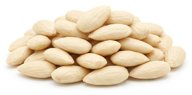
Blanched almond
  • Almond

    Use the same weight; cover with hot water for 5 minutes, then slip off the skins.

  • Blanched split almond

    Use the same weight; they are already peeled and split, so use whole or chop as needed.

  • Cashew nut

    Use the same weight; soak in warm water before grinding. They are softer and richer, so the dish will be creamier.

Coriander
  • Coriander leaf

    Use equal weight, chopped fresh and stirred in off the heat or used as garnish. Matches the citrus-herbal profile identically.

  • Mint

    Use 40% to 50% of the weight; chop finely and add at the very end. Adds fresh herbal brightness, but shifts the aroma toward cool menthol.

Mint
  • Dried mint

    Use about 30% of the weight of fresh mint. Rub between your palms to crush before stirring in; the flavour will be more intensely herbal and less bright.

  • Coriander leaf

    Use equal weight, finely chopped. Adds fresh citrusy green notes, but lacks the cooling menthol lift.

Hard-boiled egg
  • Egg

    Use the same weight, about 50 g per egg. Boil 9–10 minutes, cool and peel; exact substitute.

  • Boiled egg white

    Use the same weight. Leaner and less rich; mash with a little oil or yolk if the dish needs richness.

  • Tofu

    Use the same weight; press and cube. No egg flavour, so add 5 minutes before the end and adjust salt.

Lime
  • Lemon

    Use the same weight; sharper and less floral, so reduce any extra souring slightly.

  • Lemon juice

    Use about 30 g juice per lime (2 tbsp), strain pips; add at the end for fresh sourness.

  • Dried mango powder

    Use 1 g amchoor for about 15 g lime juice; add early with spices; gives dry mango sourness, not citrus aroma.

Dried fig
  • Dried apricot

    Use the same weight, chopped. More tart and less seedy; adjust sugar slightly.

  • Date

    Use 80% of the weight, chopped. Sweeter and softer, so reduce added sugar.

  • Raisin or sultana

    Use the same weight. Smaller and sweeter; reduce sugar and expect less fig texture.

Dried kachri
  • Wild melon powder

    Use the same weight, add with the spices. Same souring and tenderising effect, but no pieces.

  • Ground wild cucumber

    Use the same weight. Same ingredient in ground form; disperses more evenly.

  • Dried mango powder

    Use the same weight for sourness. No tenderising effect on meat and a simpler tart flavour.

Poppy seed
  • Cashew nut

    Use equal weight. Soak in warm water for 20 minutes and grind to a smooth paste; produces an even creamier, slightly richer gravy than poppy seeds.

  • White sesame seed

    Use equal weight. Soak and grind finely; provides similar thickening and body with a slightly nuttier, faintly bitter edge.

  • Almond

    Use equal weight. Blanch, peel, and grind finely with a splash of water; lends a velvety body and gentle sweetness to gravies.

Garlic
  • Garlic paste

    Use equal weight. Fry gently in oil or ghee with the ginger; incorporates smoothly into curries without visible minced bits.

  • Garlic powder

    Use 15% to 20% of the weight (about 1 g for every 5 to 6 g fresh cloves). Whisk into sauces; gives a savoury, toasted garlic flavour without raw pungency.

  • Shallot

    Use 1.5 times the weight, very finely minced. Sauté until golden; provides savoury allium sweetness, though it lacks garlic's pungent sulphur bite.

Ghee
  • Unsalted butter

    Use 120% of the weight; melt gently over low heat to avoid burning the milk solids, which will yield a softer, creamier richness rather than a nutty aroma.

  • Vegetable oil

    Use 85% of the weight; holds high cooking temperatures without smoking, but the final dish will lack traditional dairy depth.

  • Mustard oil

    Use equal weight; heat to smoking point and cool slightly before cooking, bearing in mind it introduces an assertive, pungent edge.

Onion
  • Shallot

    Use equal weight, finely sliced. Shallots soften and brown faster, giving a slightly sweeter and more delicate base to curries.

  • Cabbage

    Use 80% of the weight, finely shredded and browned slowly with a pinch of asafoetida. Replicates the bulk and natural sweetness in gravies without allium.

Chilli powder
  • Red chilli powder

    Use 100% of the weight. Provides direct, sharp heat and red colour in equal measure.

  • Kashmiri chilli powder

    Use 150% to 200% of the weight if matching colour, but add a pinch of black pepper or hot chilli if you need equivalent fiery heat.

  • Cayenne pepper

    Use 75% to 100% of the weight. Offers a sharp, clean heat with slightly less earthy depth and less crimson colour.

Ground turmeric
  • Ground ginger

    Use 50% of the weight. Mimics turmeric's warm, earthy, rhizome background, but provides none of the golden-yellow colour.

  • Saffron

    Steep a tiny pinch (0.1 g per 2 g turmeric) in 2 tbsp warm water; use to match the rich golden hue. Contributes an aristocratic, honeyed floral flavour rather than earthy bitterness.

Ground coriander
  • Coriander seeds

    Dry-roast lightly in a pan and grind to a fine powder; use equal weight (1:1). Offers a noticeably fresher, brighter citrus note.

  • Ground cumin

    Use 50% to 75% of the weight. Lacks the floral, citrusy profile of coriander and turns the gravy heavier, earthier, and darker.

  • Garam masala

    Use 50% of the weight and stir in near the end of cooking. Adds warmth and depth since it contains ground coriander, but introduces stronger spices like clove and cinnamon.

Plain yogurt
  • Yogurt

    Use equal weight, whisked thoroughly until smooth before adding to hot dishes to prevent curdling.

  • Coconut milk

    Use equal weight with 1 teaspoon lemon juice mixed in. Provides rich creaminess in curries, but adds a noticeable coconut flavour.

  • Single cream

    Use 80% of the weight plus a squeeze of lemon juice for acidity. Enriches sauces nicely, though it is richer and less tangy.

Large tomato
  • Tomato

    Use the same weight of ordinary tomatoes, chopped. Taste for acidity; add a pinch of sugar if they are very sour.

  • Canned chopped tomatoes

    Use the same weight, draining some juice if the curry should be thick. Simmer 5–10 minutes longer to reduce the extra liquid.

  • Concentrated tomato purée

    Use about 30% of the weight, dilute with water to roughly the original volume and add early. It gives a deeper colour and stronger acidity; adjust salt and sugar.

Green cardamom pod
  • Green cardamom seed

    Use 35 to 40% of the total pod weight; lightly bruise the seeds before frying in oil to release their essential oils.

  • Ground green cardamom

    Use 20 to 25% of the pod weight (about 1 generous pinch per pod); stir in toward the end of cooking so the delicate floral notes do not dissipate.

  • White cardamom pod

    Use 1:1 by pod count or weight; crack gently before using, though it is slightly less intensely floral.

Garam masala
  • Ground cumin

    Use 50% of the weight mixed with equal parts ground coriander and a pinch of ground cinnamon, ground cloves, and ground green cardamom. Sprinkle near the end for a warming finish.


  • Lentil stew spice mix

    Use 75% of the weight. Simmer briefly in the gravy; imparts roasted warmth and complexity, though it adds a slight tang and earthy lentil undertone.

Coriander leaf
  • Coriander

    Use equal weight finely chopped; this is the exact same fresh herb.

  • Mint

    Use half the weight finely chopped; provides vibrant green freshness, though the flavour profile becomes noticeably cooler and sharper.

Similar dishes

Baadam Pasanda
Pasanda with Almonds
Baadam Pasanda tastes tangier and more woodsy-spiced from the tomatoes and whole black cardamom, lacking the earthy turmeric profile of this dish.
  • Same: Both dishes braise pasanda meat in ghee with onions, yogurt, poppy seeds, ginger, garlic, and warm ground spices like garam masala.
  • Different: Instead of rolling meat around a stuffing, Baadam Pasanda simmers flat escalopes with added tomatoes, cinnamon, bay leaf, and black cardamom while leaving out turmeric.
Kaleji ka Salan
Liver Curry
Kaleji ka Salan tastes deeply savoury and liver-forward, with a thinner yogurt-onion gravy and none of this dish's nutty, fruity, ghee-rich stuffing.
  • Same: Kaleji ka Salan shares a yogurt and onion gravy with this dish, and both use chilli powder, turmeric, ground coriander, and mint.
  • Different: Kaleji ka Salan uses liver instead of stuffed meat fillets, vegetable oil instead of ghee, and has no almonds, poppy seeds, dried fig, kachri, lime, or hard-boiled egg; it is a simple liver curry, not a stuffed braise.
Pasande ki Seekh
Lamb Fillets on Skewers
Pasande ki Seekh tastes smokier, drier, and more charred, with a lighter tangy yogurt-lime edge, while this dish is richer, saucier, and more delicately spiced.
  • Same: Pasande ki Seekh shares pasanda, yogurt, onion, garlic, poppy seed, dried fig, dried kachri, garam masala, chilli powder, ghee, and lime with this dish.
  • Different: It is marinated and roasted on skewers with charcoal smoke, while this dish is stuffed and braised in a tomato, turmeric, and ground coriander gravy with boiled egg, almonds, mint, and cardamom, and it uses far less ghee.
Elayachi Gosht
Cardamom-flavoured Lamb
Elayachi Gosht has a sharp, camphorous cardamom fragrance and pungent green-chilli bite, lacking the nutty richness and warm spice blend of this dish.
  • Same: Both are slow-cooked meat dishes braised in ghee with generous amounts of sliced onions, yogurt, ginger, and ground coriander.
  • Different: Instead of stuffed meat fillets cooked with poppy seeds, garlic, turmeric, and garam masala, Elayachi Gosht stews plain lamb with heavy doses of black and green cardamoms and fresh green chillies using half the ghee.