Indian cooking
Indian cooking / Dishes / Pasande ki Seekh
Pasande ki Seekh (Lamb Fillets on Skewers)

Pasande ki Seekh

Lamb Fillets on Skewers
Non-vegetarian●●●Origin DelhiPrep 45–50 minutes, plus soaking timeCook 45 minutes

Tender lamb fillets are marinated in an aromatic paste of soaked figs, poppy seeds, and yogurt, infused with charcoal smoke, and roasted on skewers. The resulting kebabs are deeply savoury, smoky, and meltingly tender.

Finishing spices

3.9 gMixed into the meat before skewering (step 5)
01
2.6 g1 teaspoon
spice blend
02
1.3 g½ teaspoon
spice
Combine the ground spices in a small bowl.

Everything else

01
30 g6 pieces
fruit
02
20 g2 figs
fruit
03
250 g
vegetable
04
60 g20 cloves
aromatic
05
254 g250 ml
dairy
07
9 g2 teaspoons
oil/fat
08
to taste
salt
09
to taste
vegetable
10
to taste
fruit

Method

  1. Soak 6 dried kachri and 2 dried figs in a bowl of water for 4 hours, then drain.
  2. Transfer the drained kachri and figs to a blender or food processor along with 5 tsp poppy seeds, 250 g onion, and 60 g garlic. Puree until a smooth paste forms.
  3. Spread the puree into a shallow dish, season with salt to taste, and whisk in half of the 254 g plain yogurt. Add 1000 g lamb and turn the pieces until thoroughly coated.
  4. Transfer the marinated meat to a heavy pot, creating a small hollow in the middle. Place a piece of foil holding 8.8 g ghee into the hollow. Heat a piece of charcoal over an open flame until glowing red, transfer it with tongs directly into the ghee, and immediately cover the pot tightly to smoke for 4 hours.
  5. Set up a charcoal grill for moderate heat, or heat an oven broiler to medium. Discard the charcoal, tip the melted ghee onto the meat, sprinkle in the finishing spices, and mix thoroughly.
  6. Wind the strips of meat around metal skewers, tying them securely with damp kitchen twine.
  7. Grill over the coals or under the broiler for about 45 minutes, turning regularly, until richly browned and tender. Garnish with onion rings and lime wedges to serve.

Don't have something?

Dried kachri
  • Wild melon powder

    Use the same weight, add with the spices. Same souring and tenderising effect, but no pieces.

  • Ground wild cucumber

    Use the same weight. Same ingredient in ground form; disperses more evenly.

  • Dried mango powder

    Use the same weight for sourness. No tenderising effect on meat and a simpler tart flavour.

Dried fig
  • Dried apricot

    Use the same weight, chopped. More tart and less seedy; adjust sugar slightly.

  • Date

    Use 80% of the weight, chopped. Sweeter and softer, so reduce added sugar.

  • Raisin or sultana

    Use the same weight. Smaller and sweeter; reduce sugar and expect less fig texture.

Poppy seed
  • Cashew nut

    Use equal weight. Soak in warm water for 20 minutes and grind to a smooth paste; produces an even creamier, slightly richer gravy than poppy seeds.

  • White sesame seed

    Use equal weight. Soak and grind finely; provides similar thickening and body with a slightly nuttier, faintly bitter edge.

  • Almond

    Use equal weight. Blanch, peel, and grind finely with a splash of water; lends a velvety body and gentle sweetness to gravies.

Onion
  • Shallot

    Use equal weight, finely sliced. Shallots soften and brown faster, giving a slightly sweeter and more delicate base to curries.

  • Cabbage

    Use 80% of the weight, finely shredded and browned slowly with a pinch of asafoetida. Replicates the bulk and natural sweetness in gravies without allium.

Garlic
  • Garlic paste

    Use equal weight. Fry gently in oil or ghee with the ginger; incorporates smoothly into curries without visible minced bits.

  • Garlic powder

    Use 15% to 20% of the weight (about 1 g for every 5 to 6 g fresh cloves). Whisk into sauces; gives a savoury, toasted garlic flavour without raw pungency.

  • Shallot

    Use 1.5 times the weight, very finely minced. Sauté until golden; provides savoury allium sweetness, though it lacks garlic's pungent sulphur bite.

Plain yogurt
  • Yogurt

    Use equal weight, whisked thoroughly until smooth before adding to hot dishes to prevent curdling.

  • Coconut milk

    Use equal weight with 1 teaspoon lemon juice mixed in. Provides rich creaminess in curries, but adds a noticeable coconut flavour.

  • Single cream

    Use 80% of the weight plus a squeeze of lemon juice for acidity. Enriches sauces nicely, though it is richer and less tangy.

Pasanda
  • Lamb fillet

    Use the same weight, sliced and beaten thin; it is tender and cooks in the same time.

  • Boneless lamb

    Use the same weight, cut across the grain and beat thin; simmer a little longer if it is from the shoulder.

  • Chicken breast

    Use the same weight, sliced and beaten thin; it cooks faster, so add it later and simmer for 8–10 minutes only.

Ghee
  • Unsalted butter

    Use 120% of the weight; melt gently over low heat to avoid burning the milk solids, which will yield a softer, creamier richness rather than a nutty aroma.

  • Vegetable oil

    Use 85% of the weight; holds high cooking temperatures without smoking, but the final dish will lack traditional dairy depth.

  • Mustard oil

    Use equal weight; heat to smoking point and cool slightly before cooking, bearing in mind it introduces an assertive, pungent edge.

Garam masala
  • Ground cumin

    Use 50% of the weight mixed with equal parts ground coriander and a pinch of ground cinnamon, ground cloves, and ground green cardamom. Sprinkle near the end for a warming finish.


  • Lentil stew spice mix

    Use 75% of the weight. Simmer briefly in the gravy; imparts roasted warmth and complexity, though it adds a slight tang and earthy lentil undertone.

Chilli powder
  • Red chilli powder

    Use 100% of the weight. Provides direct, sharp heat and red colour in equal measure.

  • Kashmiri chilli powder

    Use 150% to 200% of the weight if matching colour, but add a pinch of black pepper or hot chilli if you need equivalent fiery heat.

  • Cayenne pepper

    Use 75% to 100% of the weight. Offers a sharp, clean heat with slightly less earthy depth and less crimson colour.

Onion ring
  • Onion

    Use the same weight, peeled and sliced crossways into rings. Separate the rings and soak in iced water for 10 minutes if you want them crisper.

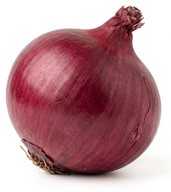
  • Red onion

    Use the same weight, sliced into rings. They are sharper and more colourful; soak in iced water to soften the raw bite.

  • Shallot

    Use the same weight, sliced into thin rings. They are smaller and sweeter; use several shallots to get the same ring coverage.

Lime wedge
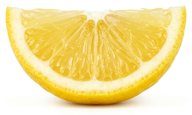
  • Lemon wedge

    Use the same weight; more sour and less floral, so adjust salt and sugar.

  • Lime juice

    Use 10–15 g juice per wedge; add at the end; it loses the peel aroma.

  • Lemon juice

    Use 10–15 g per wedge; sharper; taste before adding more.

Similar dishes

Bharwan Pasande
Stuffed Pasanda
Bharwan Pasande tastes richer and more gravy-like, with nutty egg stuffing and lime-tomato tang, while this dish is smokier and drier.
  • Same: Bharwan Pasande shares pasanda, dried fig, dried kachri, poppy seeds, yogurt, onion, garlic, chilli powder and garam masala with this dish.
  • Different: Bharwan Pasande adds almond, hard-boiled egg, tomato, turmeric, ground coriander and green cardamom, uses much more ghee and yogurt, and is stuffed and braised rather than charcoal-smoked and skewer-roasted.
Khusk Pasande
Dry Meat Kebabs
Khusk Pasande is nutty from chironji and tangy from lime with a concentrated savoury crust, whereas this dish is smoky from charcoal and subtly sweet from figs.
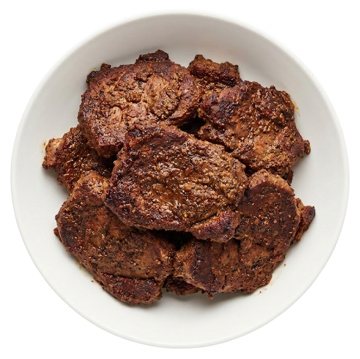
  • Same: Khusk Pasande shares with this dish the use of lamb pasanda, yogurt, poppy seeds, ghee, chilli powder, and lime and onion rings as accompaniments.
  • Different: Khusk Pasande adds ginger, lime juice, and chironji seeds and uses much more garlic, while it lacks this dish's dried kachri, dried fig, onion in the marinade, and charcoal smoke, and it is slow-roasted as coated steaks rather than roasted on skewers.
Baadam Pasanda
Pasanda with Almonds
Baadam Pasanda tastes richer, nuttier and more saffron-tomato gravy-like, with far less charcoal smoke than this dish.
  • Same: Baadam Pasanda shares pasanda lamb, dried fig, dried kachri, poppy seed, onion, garlic, yogurt, garam masala and chilli powder with this dish.
  • Different: Baadam Pasanda adds blanched almonds, ginger, saffron, tomato, bay leaf, cinnamon, green and black cardamom, ground coriander, boiled rice and 300 g ghee, and it is braised as a curry rather than charcoal-smoked and roasted on skewers like this dish.
Kathi Kebab
Boneless Lamb Kebabs
Kathi Kebab is intensely savoury with a mild tang and smoky charred crust, while this dish is deeply savoury, smoky and meltingly tender with chilli warmth.
  • Same: Kathi Kebab shares skewered lamb, yogurt, dried kachri, dried fig, onion and garlic with this dish.
  • Different: Kathi Kebab adds raw papaya, ginger, mustard seeds, cumin and black peppercorn, uses more onion and less yogurt, and lacks this dish's poppy seeds, garam masala and chilli powder; it uses ghee or butter plus vegetable oil and relies on a purée marinade rather than charcoal-smoke infusion.