
Pasanda Kebab
Tender flattened lamb escalopes are marinated in an aromatic papaya and spice puree, rolled up, and pan-fried in ghee until rich and reddish-brown.
Whole spices for the paste
0.3 gBlended with the aromatics in step 2Ground marinade spices
5 gStirred into the pureed paste in step 3Everything else

Method
- Slice 1000 g meat into pieces measuring roughly 8 cm (3 inches) wide and 1 cm (½ inch) thick. Pound them gently on one side with a meat mallet to flatten into thin strips.
- Put 1 piece papaya, 24 g ginger, 18 g garlic, 300 g onion, 12 g green chilli, and the whole spices for the paste into a food processor and puree until smooth.
- Scrape the mixture into a bowl and mix in salt to taste, 0.3 g asafoetida, and the ground marinade spices. Coat both sides of each flattened meat piece thoroughly with the marinade, cover, and rest in the fridge for 1 hour.
- Roll each piece of meat tightly and tie with kitchen twine to secure.
- Melt 100 g ghee in a wide frying pan over low heat and gently fry the rolls for 10 minutes.
- To finish, either cover the pan, place glowing hot coals over the lid, and cook for 5 to 7 minutes until reddish brown, or transfer the rolls under a medium grill for roughly 5 minutes until browned.
Don't have something?


 Boneless lamb fillet
Use the same weight; cook as directed but gently, as fillet dries quickly.
 Lean boneless leg of lamb
Use the same weight; slice evenly and cook 5 minutes longer, adding a little oil.
 Boneless lamb shoulder
Use the same weight; more fat and flavour, so skim excess fat and cook 5–10 minutes longer.


 Ripe mango
Use the same weight, cut into similar pieces; it is sweeter and tangier, so taste before adding extra sugar or lemon.
 Musk melon
Use the same weight; it is milder and more watery, so drain well and reduce any added liquid.
 Pear
Use the same weight; it stays firmer and is less fragrant, so cook a little longer if the recipe simmers the fruit.


 Fresh ginger
Use equal weight; scrape off the skin and grate or finely julienne according to the recipe.
 Ginger paste
Use equal weight; stir straight into the sizzling aromatics, taking care as the extra moisture may spit.
 Ground ginger
Use 15 to 20% of the weight; add alongside ground spices, noting it imparts warm, dry heat rather than zesty freshness.



 Garlic paste
Use equal weight. Fry gently in oil or ghee with the ginger; incorporates smoothly into curries without visible minced bits.
 Garlic powder
Use 15% to 20% of the weight (about 1 g for every 5 to 6 g fresh cloves). Whisk into sauces; gives a savoury, toasted garlic flavour without raw pungency.
 Shallot
Use 1.5 times the weight, very finely minced. Sauté until golden; provides savoury allium sweetness, though it lacks garlic's pungent sulphur bite.





 Coarsely ground black pepper
Use 75% of the weight. Add midway through simmering; spreads heat evenly through the dish instead of delivering isolated bursts.
 Ground black pepper
Use 50% of the weight. Stir in near the end of cooking; significantly darkens light gravies and provides an immediate, sharp bite.


 Chilli powder
Use 10 to 15% of the weight (about 1/4 teaspoon per chilli); imparts dry pungent heat and reddens the dish without the grassy crunch.
 Dried red chilli
Use 1 dried pod per fresh green chilli; snap in half and temper in hot oil for a deeper, toastier heat.



- Chilli powder
Use equal weight. Stir in directly with the dry spices; delivers comparable heat and red colour.
 Kashmiri chilli powder
Use 130% to 150% of the weight. Provides brilliant ruby colour with roughly half the fiery heat.
 Yellow chilli powder
Use 75% of the weight. Gives a sharp, clean pungency without tinting the sauce red.


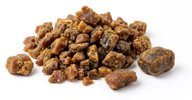 Asafoetida chunk
Grind the same weight to a fine powder; store airtight as the aroma is very strong.
 Asafoetida / garlic / onion powder
Use the same weight, but check whether it contains salt; it gives a broader onion-garlic note rather than pure asafoetida.
- Garlic powder
Use about 25% of the weight; it gives a garlicky savour but not asafoetida's sulphurous tang.


 Ground cumin
Use 50% of the weight mixed with equal parts ground coriander and a pinch of ground cinnamon, ground cloves, and ground green cardamom. Sprinkle near the end for a warming finish.
 Lentil stew spice mix
Use 75% of the weight. Simmer briefly in the gravy; imparts roasted warmth and complexity, though it adds a slight tang and earthy lentil undertone.


 Unsalted butter
Use 120% of the weight; melt gently over low heat to avoid burning the milk solids, which will yield a softer, creamier richness rather than a nutty aroma.
 Vegetable oil
Use 85% of the weight; holds high cooking temperatures without smoking, but the final dish will lack traditional dairy depth.
 Mustard oil
Use equal weight; heat to smoking point and cool slightly before cooking, bearing in mind it introduces an assertive, pungent edge.


Similar dishes

- Same: Both use onion, ginger, green chilli, asafoetida, garam masala, chilli powder and salt, and both are cooked with ghee.
- Different: Kaleji Kebab uses minced liver, yogurt, coriander leaf, ground coriander, ground ginger and rice flour and is deep-fried, while this dish uses lamb fillet, papaya puree, garlic and black peppercorn and is pan-fried.

- Same: Chaamp also tenderises lamb with papaya and fries it in ghee using an aromatic paste of onions, ginger, garlic, chilli, and garam masala.
- Different: Chaamp uses chops coated in breadcrumbs and incorporates yogurt, vinegar, and cinnamon stick, whereas this dish uses rolled escalopes seasoned with fresh green chillies and black peppercorns.
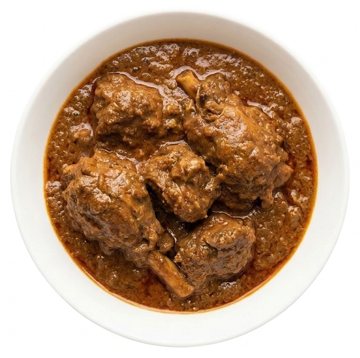
- Same: Dum Raan shares lamb, papaya tenderising, ginger, garlic, onion, asafoetida, black peppercorn, garam masala, chilli powder, ghee and salt with this dish.
- Different: Dum Raan uses a whole hind leg slow-braised in a muslin bundle with yoghurt, khoya or milk powder, sugar, lemon and ground fennel, while this dish uses flattened lamb fillet escalopes rolled and pan-fried in ghee with green chilli and no yoghurt, khoya, lemon, sugar or fennel.

- Same: Pathar ka Gosht also uses marinated tender lamb prepared with onions, ginger, green chillies, black peppercorns, and salt.
- Different: Pathar ka Gosht is seared dry on a hot stone with a large amount of fresh mint rather than rolled and pan-fried in ghee with garlic, garam masala, and red chilli powder.