Indian cooking
Indian cooking / Dishes / Kaleji ka Salan
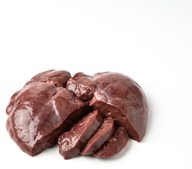
Kaleji ka Salan (Liver Curry)

Kaleji ka Salan

Liver Curry
Non-vegetarian●●●Origin AwadhPrep 15 minutes, plus marinating timeCook 30 minutes

A deeply savoury Indian curry of tender liver cooked in a rich, spiced onion and yoghurt gravy.

Marinade spice

2.6 gMixed into the yoghurt marinade (step 2)
01
2.6 g1 teaspoon
spice
Stir directly into the yoghurt mixture.

Everything else

01
500 g
meat
02
2.5 g1 teaspoon
aromatic
03
3 g1 teaspoon
aromatic
04
177 g175 ml
dairy
05
114 g125 ml
oil/fat
06
Onion · Pyazthinly sliced
300 g2 onions
vegetable
07
Coriander · Dhaniaground, roasted
0.8 g1½ teaspoons
herb
08
to taste
salt
09
~1 gsprig
herb

Method

  1. Strip any membrane from 500 g liver, rinse it thoroughly, and cut it into roughly 2.5 x 4 cm pieces.
  2. In a wide bowl, whisk together 177 g plain yogurt, 2.5 g ginger, 1 teaspoon garlic, 0.5 teaspoon ground turmeric, salt to taste, and the marinade spice. Coat the liver pieces thoroughly in the mixture, cover, and chill in the fridge for 15 minutes.
  3. Warm 114 g vegetable oil in a heavy-bottomed pan over medium heat. Tip in 300 g onion and cook, stirring frequently, for 5 to 7 minutes until evenly golden brown.
  4. Transfer the marinated liver into the pan and fry for around 5 minutes, allowing any released liquid to completely evaporate.
  5. Sprinkle in 1.5 teaspoon roasted ground coriander and fry for another 2 to 3 minutes.
  6. Pour in 500 ml water, lower the heat, and simmer gently for about 15 minutes until the liver is cooked through, topping up with extra water if needed so around 250 ml of sauce remains.
  7. Take the pan off the heat and garnish with 1 g mint sprigs before serving.

Don't have something?

Liver
  • Chicken

    Use equal weight of trimmed chicken livers; pan-fry gently for 4-6 minutes; flavour is substantially milder and sweeter.

  • Lamb

    Use equal weight of lamb kidney cut into small bite-sized pieces; gives a similarly distinct iron-rich flavour with slightly firmer bite.

Ginger
  • Fresh ginger

    Use equal weight; scrape off the skin and grate or finely julienne according to the recipe.

  • Ginger paste

    Use equal weight; stir straight into the sizzling aromatics, taking care as the extra moisture may spit.

  • Ground ginger

    Use 15 to 20% of the weight; add alongside ground spices, noting it imparts warm, dry heat rather than zesty freshness.

Garlic
  • Garlic paste

    Use equal weight. Fry gently in oil or ghee with the ginger; incorporates smoothly into curries without visible minced bits.

  • Garlic powder

    Use 15% to 20% of the weight (about 1 g for every 5 to 6 g fresh cloves). Whisk into sauces; gives a savoury, toasted garlic flavour without raw pungency.

  • Shallot

    Use 1.5 times the weight, very finely minced. Sauté until golden; provides savoury allium sweetness, though it lacks garlic's pungent sulphur bite.

Chilli powder
  • Red chilli powder

    Use 100% of the weight. Provides direct, sharp heat and red colour in equal measure.

  • Kashmiri chilli powder

    Use 150% to 200% of the weight if matching colour, but add a pinch of black pepper or hot chilli if you need equivalent fiery heat.

  • Cayenne pepper

    Use 75% to 100% of the weight. Offers a sharp, clean heat with slightly less earthy depth and less crimson colour.

Ground turmeric
  • Ground ginger

    Use 50% of the weight. Mimics turmeric's warm, earthy, rhizome background, but provides none of the golden-yellow colour.

  • Saffron

    Steep a tiny pinch (0.1 g per 2 g turmeric) in 2 tbsp warm water; use to match the rich golden hue. Contributes an aristocratic, honeyed floral flavour rather than earthy bitterness.

Plain yogurt
  • Yogurt

    Use equal weight, whisked thoroughly until smooth before adding to hot dishes to prevent curdling.

  • Coconut milk

    Use equal weight with 1 teaspoon lemon juice mixed in. Provides rich creaminess in curries, but adds a noticeable coconut flavour.

  • Single cream

    Use 80% of the weight plus a squeeze of lemon juice for acidity. Enriches sauces nicely, though it is richer and less tangy.

Vegetable oil
  • Peanut oil

    Use 1:1 by weight. Handles high-heat frying identically and introduces a very subtle, pleasant nuttiness.

  • Ghee

    Use 1:1 by weight. Yields a much richer, authentic aroma and a glossy, heavier mouthfeel.

  • Mustard oil

    Use 1:1 by weight. Heat until smoking, then cool slightly before cooking to temper its intensely pungent, sharp mustard kick.

Onion
  • Shallot

    Use equal weight, finely sliced. Shallots soften and brown faster, giving a slightly sweeter and more delicate base to curries.

  • Cabbage

    Use 80% of the weight, finely shredded and browned slowly with a pinch of asafoetida. Replicates the bulk and natural sweetness in gravies without allium.

Coriander
  • Coriander leaf

    Use equal weight, chopped fresh and stirred in off the heat or used as garnish. Matches the citrus-herbal profile identically.

  • Mint

    Use 40% to 50% of the weight; chop finely and add at the very end. Adds fresh herbal brightness, but shifts the aroma toward cool menthol.

Mint
  • Dried mint

    Use about 30% of the weight of fresh mint. Rub between your palms to crush before stirring in; the flavour will be more intensely herbal and less bright.


  • Coriander leaf

    Use equal weight, finely chopped. Adds fresh citrusy green notes, but lacks the cooling menthol lift.

Similar dishes

Dahi ka Dungara Gosht
Smoked Lamb Cooked with Yoghurt
Dahi ka Dungara Gosht tastes smoky, rich, aromatic, and subtly spiced with cool yogurt, while this dish tastes deeply savoury from tender liver in a spiced onion-yoghurt gravy.
  • Same: Dahi ka Dungara Gosht shares yogurt, onion, ginger, garlic, chilli powder, mint, and salt with this dish, and both are Indian meat curries with a yoghurt-based gravy.
  • Different: Dahi ka Dungara Gosht uses lamb instead of liver, ghee instead of vegetable oil, and far more yogurt, plus green chilli and much more ground coriander but no turmeric; it is braised, browned, layered with whisked yogurt and herb-onion relish, and charcoal-smoked rather than simmered as a liver curry.
Keeme ke Samose
Lamb Samosas
Keeme ke Samose is crisp, flaky and deep-fried with a savoury minced-lamb filling, while this dish is a saucy, tender liver curry with a tangy yogurt gravy.
  • Same: Keeme ke Samose shares onion, ginger, garlic, turmeric, coriander and yogurt with this dish.
  • Different: Keeme ke Samose uses minced lamb and a flour pastry with ghee, then deep-fries in ghee or oil, while this dish cooks liver in a vegetable-oil onion and yogurt gravy and has no pastry.
Bharwan Pasande
Stuffed Pasanda
Bharwan Pasande tastes richer and more tangy-nutty from ghee, lime, yoghurt, poppy seeds and dried fig, while this dish tastes more liver-forward and simply savoury.
  • Same: Bharwan Pasande shares with this dish a yoghurt-and-onion braised gravy seasoned with chilli powder, turmeric, ginger and garlic.
  • Different: Bharwan Pasande uses stuffed pasanda fillets and ghee with almonds, poppy seeds, egg, lime, tomato, dried fig, kachri, cardamom and garam masala, while this dish uses liver and vegetable oil without a stuffing.
Baant
Lamb in a Spicy Sauce
Baant tastes pungent from mustard oil and warmly spiced with chilli and coriander, while this dish tastes more tangy and rich from its yogurt gravy and savoury liver.
  • Same: Baant shares with this dish a spiced onion gravy built on ginger, garlic, turmeric, chilli and coriander, with salt and a simmered meat element.
  • Different: Baant uses lamb and mustard oil with dried red chilli and coriander seeds, while this dish uses liver, vegetable oil, yogurt, chilli powder, ground coriander and mint.