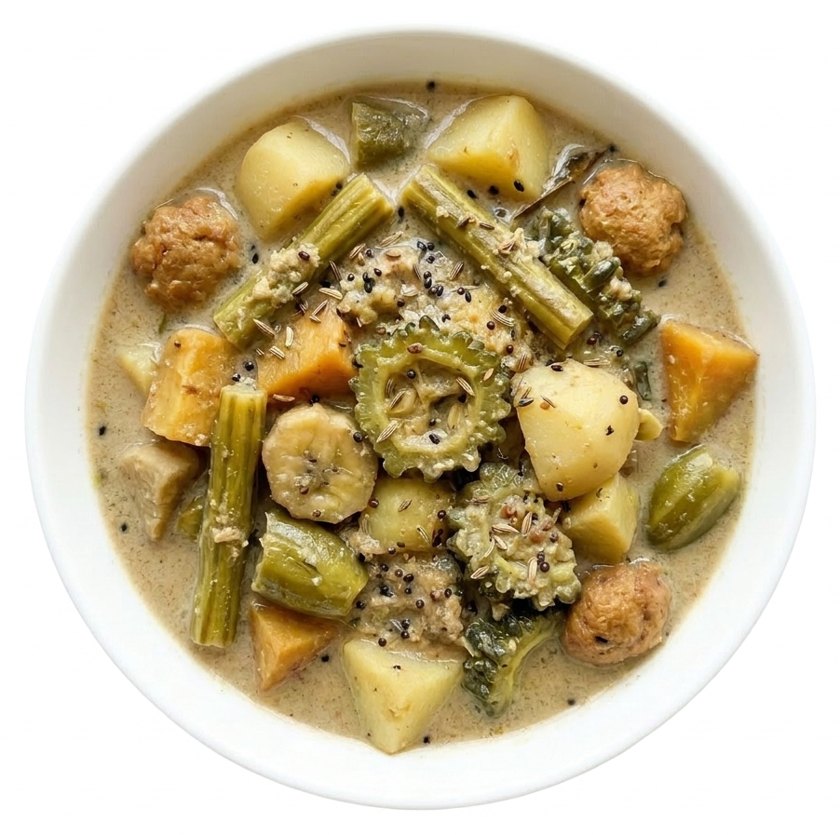
Shukto
A traditional Bengali vegetable stew featuring bitter gourd and root vegetables simmered in a light, milky gravy flavoured with mustard and ginger. It delivers a subtle, soothing balance of gentle bitterness and aromatic richness.
Spice paste
14 gStirred into the vegetables (step 3)Whole spices
1 gAdded alongside the fried bori and ghee (step 4)Everything else

Method
- Warm 27 g mustard oil in a kadhai or deep, heavy pan over high heat, then reduce the heat to medium-low. Add 12 bori and fry for 2 to 3 minutes until lightly browned; remove with a slotted spoon and set aside.
- Add 100 g sweet potato, 100 g potato, 100 g drumsticks, and 100 g bitter gourd to the hot oil. Stir-fry for 2 minutes, then tip in the remaining 400 g mixed vegetables and stir-fry for an additional 2 minutes.
- Stir 0.5 teaspoon ajwain seed paste and a splash of water into the spice paste, then pour the mixture over the vegetables. Season with salt to taste, cover with a lid, and cook for about 10 minutes until the vegetables are tender.
- Add the reserved fried bori, the whole spices, and 4.4 g ghee. Cook uncovered for 2 minutes to blend the flavours.
- Pour in 30.6 g milk, cover the pan, and immediately remove it from the heat. Finish by scattering paanch phoren to taste over the top.
Don't have something?


 Mustard seeds
Use equal weight. Pop in hot fat until they crackle and turn greyish; yields an almost identical nutty, pungent finish.
 Yellow mustard seeds
Use equal weight. Fry over medium heat; delivers a milder, sweeter pop and turns bitter quickly if the oil is excessively hot.


 Peanut oil
Use equal weight. It handles high-heat cooking well, but lacks the signature pungent, nasal heat of mustard oil.
 Vegetable oil
Use equal weight. Neutral in flavour, so your curry will lack the characteristic Bengali or North Indian pungent punch.


 Dried lentil dumplings
Use the same weight; same idea, but size and dryness vary. Fry or soak as the recipe says and check salt.
 Black gram dumplings
Use the same weight; denser and chewier, so soak 10 minutes longer and fry gently.
 Kashmiri vadi
Use 80% of the weight; more spiced and salty, so reduce salt in the dish.


 Potato
Use the same weight, cut to the same size. It is less sweet and holds shape better; add a pinch of sugar if the recipe relies on sweetness.
 Yam
Use the same weight, peeled and cut to size; it is drier and starchier, so cook a little longer and add extra liquid if needed.
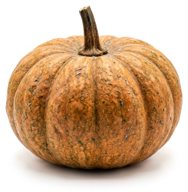 Pumpkin
Use the same weight, cut into chunks; it is softer and sweeter, so add it later and cook briefly to avoid collapsing.

 Eggplant
Use equal weight. Cut into large chunks; cooks down much faster (10-12 minutes) and softens into the sauce rather than staying starchy and firm.
 Paneer
Use 80% of the weight. Cube and add in the last 5-10 minutes of cooking; adds rich dairy protein instead of starchy bulk.
 Dried chickpea
Use 45% dry weight. Soak overnight and boil until fully soft before stirring into the sauce to simmer for 10 minutes.


 Small aubergine
Use equal weight, cut into quarters lengthways. Simmer until tender; readily absorbs sambar broth, though it turns soft rather than fibrous.
- Potato
Use 80% of the weight, cut into thick batons. Cook until just fork-tender; holds its shape well in curries and dals, though it tastes starchier.

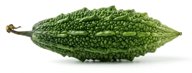
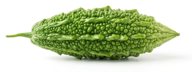 Small bitter gourd
Use the same weight; it is the same vegetable, usually a little milder. Scrape out the seeds and salt if needed.
 Courgette
Use the same weight; it gives no bitterness and more water, so salt and drain it briefly before cooking.
 Ridge gourd
Use the same weight; it is soft and mild, so the dish loses the bitter note entirely.


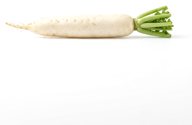
 White radish
Same vegetable under another name; use the same weight, peel and grate or slice. Salt a little less if very pungent.
 Radish
Use the same weight; red radishes are smaller and sharper, so grate and squeeze out excess water.
 Turnip
Use the same weight; milder and less peppery, so cook 3-5 minutes longer until tender.



 Banana
Use the same weight, choosing a firm underripe banana; reduce sugar and cooking time because it softens faster.
 Raw banana
Use the same weight for savoury dishes; peel and boil or fry until tender. It is starchier and less sweet.
 Green banana
Use the same weight; peel and cook as for raw banana. Texture is similar but slightly softer.


 French bean
Use the same weight; it is less starchy, so cook 2–3 minutes less and adjust salt.
 Green bean
Use the same weight; it is leaner and quicker-cooking, so add it later in the recipe.
 Frozen peas
Use the same weight; they are sweeter and softer, so reduce cooking time and adjust sugar.


 Baby aubergine
Use the same weight; halve or quarter and cook 2–3 minutes longer. They hold their shape better in the sauce.
- Small aubergine
Use the same weight; slice or cube to the recipe's size. Similar flesh, slightly firmer.
 Round aubergine
Use the same weight; cube and salt for 10 minutes if the recipe does. It absorbs oil a little more.


 Fresh ginger
Use equal weight; peel and grate very finely on a microplane or pound to a fine paste in a mortar.
 Ginger
Use equal weight; mince finely and crush with the flat of a knife before frying.
 Ground ginger
Use 20% of the weight; add directly with the dry spice powders, though it yields an earthier, less pungent profile.


 Ajwain seeds
Use half the weight, grind with a little water to a paste. Same flavour and aroma.
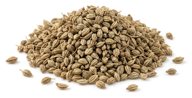 Carom seeds
Use half the weight, grind with water to a paste. Same seed under another common name.
 Roasted ground ajwain
Use half the weight mixed with water to a paste. Milder and nuttier than raw ajwain.


 Cinnamon stick
Use a 2 cm piece (about 1 g) for every 1 to 2 bay leaves. Fry in whole-spice temperings; provides the cassia-like warmth typical of Indian tejpatta.
 Ground cinnamon (cassia)
Use 0.5 g per leaf. Stir into the sauce during simmering; gives the same warm woodiness but darkens the colour slightly.


 Unsalted butter
Use 120% of the weight; melt gently over low heat to avoid burning the milk solids, which will yield a softer, creamier richness rather than a nutty aroma.
- Vegetable oil
Use 85% of the weight; holds high cooking temperatures without smoking, but the final dish will lack traditional dairy depth.
- Mustard oil
Use equal weight; heat to smoking point and cool slightly before cooking, bearing in mind it introduces an assertive, pungent edge.


 Whole milk
Use equal weight; provides the standard rich dairy fat and body expected in creamy Indian bases.
 Single cream
Dilute 3 parts cream with 1 part water to match the weight; yields a richer, glossier gravy that resists curdling.
 Plain yogurt
Whisk thoroughly and use equal weight; adds extra body and a mild pleasant acidity, best added off the heat.


 Ground Bengali five-spice mix
Use 70% of the weight, added with the ground spices rather than tempered whole. You lose the whole-seed crackle but keep the five-spice aroma.
 Cumin seed or black cumin seed
Use about 40% of the weight, with equal amounts of fennel seed and nigella seeds if you have them. It is not a true blend; the result is cumin-forward and less complex.
 Fennel seed
Use about 30% of the weight with cumin and mustard seed to approximate the blend. It adds sweetness but misses fenugreek's bitterness and nigella's onion note.


Similar dishes

- Same: Koorina Kakarkaya shares bitter gourd, mustard seed, ginger, potato and salt with this dish, and both are simmered vegetable dishes.
- Different: Koorina Kakarkaya hollows, poaches, stuffs and fries the bitter gourds, then simmers them in a vegetable-oil gravy with tamarind, sugar, tomato, onion, garlic, green chilli, cumin, fennel, fenugreek and curry leaf, while this dish uses mustard oil, milk, ghee, matar dal bori, drumstick, mooli, plantain, broad bean, aubergine, sweet potato, ajwain and bay leaf and is not stuffed or fried.
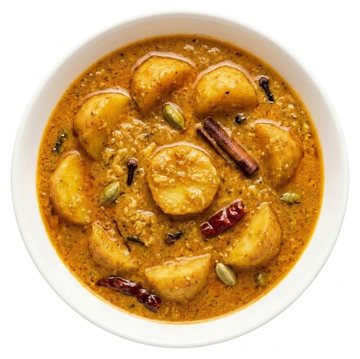
- Same: Both dishes incorporate potatoes, ginger paste, bay leaf, milk, and ghee.
- Different: Aloo Dum uses only potatoes simmered in a yogurt and khoya base with warm whole spices, sugar, and asafoetida fried in heavy ghee, omitting mustard oil, black mustard seeds, and paanch phoren.

- Same: Assamese Spiced Potato shares panch phoron tempering and mustard oil with this dish, and both are Indian vegetable preparations.
- Different: Assamese Spiced Potato is a dry dish built on 900 g potato with red onion, dried chilli, turmeric and coriander, while this dish is a milky stew with bitter gourd, sweet potato, drumstick, mooli, plantain, broad bean, aubergine, matar dal bori, mustard seed, ginger, ajwain, bay leaf and ghee.

- Same: Both dishes feature potatoes cooked with ginger and bay leaves in a dairy-enriched gravy.
- Different: Chowgara uses vegetable oil, yogurt, lemon juice, onions, garlic, and warm whole spices rather than mustard oil, ghee, milk, and paanch phoren.