
Raj Kachori
Crisp, golden pastry globes stuffed with spiced potatoes, legumes, and cooling yogurt, finished with sweet-tangy chutneys and an aromatic spice mix.
Filling masala
12 gStirred into the potato and legume filling (step 3)Sprinkling masala
5 gBlended with the remaining dry spices and dusted on top (step 4)Everything else


Method
- Sift 500 g plain flour, 150 g semolina, 1 tsp bicarbonate of soda, and a pinch of salt into a bowl. Work in 40.5 g warmed vegetable oil and sufficient water to form a stiff dough, then let rest covered for about 30 minutes until risen.
- Simmer 125 g unpeeled potato in boiling water for roughly 20 minutes until tender. Drain, allow to cool, then peel and dice the flesh.
- In a large bowl, combine the diced potato, 30 g green chilli, 150 g chickpeas, 150 g cooked moong beans, 1 g coriander leaves, and the filling masala.
- In a small bowl, stir together the sprinkling masala and the remaining topping seasonings, then set aside.
- Divide the dough into 15–20 portions and roll each into a ball. Flatten a ball in your hand, add a portion of the filling to the center, seal back into a ball, and roll into a 10 cm (4 in) disc; reserve the remaining filling for stuffing later.
- Heat 91.3 g vegetable oil in a kadhai or heavy pan to 180°C (350°F). Fry the kachoris in batches for 2 to 3 minutes, flipping frequently until uniformly browned, then remove with a slotted spoon and drain on paper towels until cool.
- Crack an opening into the top of each cooled kachori and spoon inside the reserved potato filling. Top with 100 g tamarind chutney, 100 g mint chutney, and 101 g whisked plain yogurt, then dust with the sprinkling masala.
Don't have something?

 Whole wheat flour
Use the same weight, add 10–15% more water and rest the dough for 20 minutes; the result is heavier and nuttier.
 Rice flour
Use the same weight for crisp coatings; for doughs use no more than half rice flour with wheat flour, or it will be crumbly.
 Cornflour
For thickening use half the weight, mixed with cold water; it is not suitable for bread or chapati dough.


 Coarse semolina
Use the same weight. Soak 10 minutes longer and cook 2–3 minutes more; texture will be more granular.
 Fine semolina
Use the same weight. It cooks faster, so reduce cooking time by 2 minutes and stir well to avoid lumps.
 Cream of wheat
Use the same weight. It behaves like fine semolina; cook 1–2 minutes less and add liquid gradually.



 Baking powder
Use 4 times the weight (1 g soda ≈ 4 g baking powder). It already contains acid, so reduce or omit added lemon or yogurt.
 Self-raising flour
For baking, swap plain flour plus soda for self-raising flour; omit the soda and adjust salt. Not suitable for recipes where soda is used for colour or texture.


 Peanut oil
Use 1:1 by weight. Handles high-heat frying identically and introduces a very subtle, pleasant nuttiness.
 Ghee
Use 1:1 by weight. Yields a much richer, authentic aroma and a glossy, heavier mouthfeel.
 Mustard oil
Use 1:1 by weight. Heat until smoking, then cool slightly before cooking to temper its intensely pungent, sharp mustard kick.



 Eggplant
Use equal weight. Cut into large chunks; cooks down much faster (10-12 minutes) and softens into the sauce rather than staying starchy and firm.
 Paneer
Use 80% of the weight. Cube and add in the last 5-10 minutes of cooking; adds rich dairy protein instead of starchy bulk.
 Dried chickpea
Use 45% dry weight. Soak overnight and boil until fully soft before stirring into the sauce to simmer for 10 minutes.


 Red chilli powder
Use 100% of the weight. Provides direct, sharp heat and red colour in equal measure.
 Kashmiri chilli powder
Use 150% to 200% of the weight if matching colour, but add a pinch of black pepper or hot chilli if you need equivalent fiery heat.
 Cayenne pepper
Use 75% to 100% of the weight. Offers a sharp, clean heat with slightly less earthy depth and less crimson colour.


- Chilli powder
Use 10 to 15% of the weight (about 1/4 teaspoon per chilli); imparts dry pungent heat and reddens the dish without the grassy crunch.
 Dried red chilli
Use 1 dried pod per fresh green chilli; snap in half and temper in hot oil for a deeper, toastier heat.


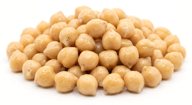 Canned chickpea
Use the same drained weight, rinse well and add near the end so it does not break up.
- Dried chickpea
Use about 40% of the cooked weight, soak overnight and boil until tender; cooking time is much longer.
 Green chickpea
Use the same weight and cook 10-15 minutes less; it is softer and sweeter.
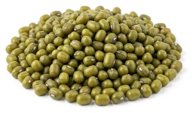
 Whole mung bean
This is the same bean under another name; use the same weight and soak as directed.
 Split green mung beans
Use the same weight; no soaking is needed and it cooks 10–15 minutes faster, so add it later and expect a softer dal.
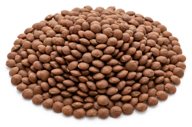 Whole brown lentil
Use the same weight; it has a similar bite but an earthier flavour and needs 5–10 minutes longer.


 Coriander leaf
Use equal weight, chopped fresh and stirred in off the heat or used as garnish. Matches the citrus-herbal profile identically.
 Mint
Use 40% to 50% of the weight; chop finely and add at the very end. Adds fresh herbal brightness, but shifts the aroma toward cool menthol.


 Anardana powder
Use 80% of the weight; ground seed is stronger, so add early and taste.
- Dried pomegranate seed powder
Use 90% of the weight; already ground and more concentrated.
 Pomegranate powder
Use the same weight; less sour, more fruity.


 Caster sugar
Use the same weight and grind to a fine powder in a dry blender. Add 3% cornflour by weight if you need it to stay powdery.
 Granulated sugar
Use the same weight and grind in small batches until fine. It is coarser and may feel gritty in uncooked icings.
 Sugar candy
Use the same weight and grind to a powder. It is harder to grind and gives a slightly crunchier result.


 Cumin seed
Dry-roast briefly and grind finely; use equal weight (1:1). Imparts an even punchier, nuttier, toasty aroma than pre-ground cumin.
 Ground coriander
Use equal weight (1:1). Adds mild, lemony sweetness rather than cumin's smoky, earthy bite; curries will taste lighter and less savoury.
 Black cumin seeds
Grind finely; use 60% to 75% of the weight. Produces a darker, more complex, smoky-herbal flavour suited to rich gravies.


 Lemon juice
Use 15 g (1 tbsp) for every 5 g of amchoor. Stir in at the very end off the heat; adds liquid and fresh citrus aroma rather than dry fruity tang.
 Tamarind extract
Use 75% of the weight, dissolved in a splash of warm water. Simmer briefly; darkens the gravy and provides a deeper, caramelised sourness.


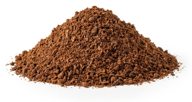 Ground allspice
Use 1.5–2 times the weight; it has a similar warm pungency but is milder and rounder, so the dish loses clove’s sharp medicinal heat.
 Ground cinnamon (cassia)
Use the same weight; it gives warmth but is sweeter and lacks clove’s strength, so use only if the amount is small.


 Tamarind chutney or mint chutney
Use the same weight; adjust sugar and salt. Mint version is less sour and more herbal.
 Date and tamarind chutney
Use the same weight; it is sweeter, so add lime juice or amchoor if the dish needs sharpness.
 Tamarind paste
Use about 70% of the weight and loosen with water; add jaggery or sugar to taste. Stronger and more concentrated.


 Green chutney
Use the same weight; it is the closest everyday substitute. Add a few fresh mint leaves if you have them.
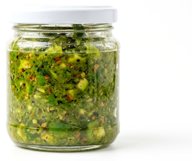 Raw green mango chutney
Use the same weight but expect a sharper, sourer taste; reduce lemon juice in the dish.
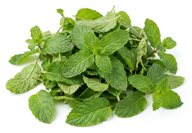 Mint leaves
Blend about 30 g mint leaves with 2 green chillies, a squeeze of lemon and salt to make roughly 100 g chutney; use weight for weight.


 Yogurt
Use equal weight, whisked thoroughly until smooth before adding to hot dishes to prevent curdling.
 Coconut milk
Use equal weight with 1 teaspoon lemon juice mixed in. Provides rich creaminess in curries, but adds a noticeable coconut flavour.
 Single cream
Use 80% of the weight plus a squeeze of lemon juice for acidity. Enriches sauces nicely, though it is richer and less tangy.


Similar dishes
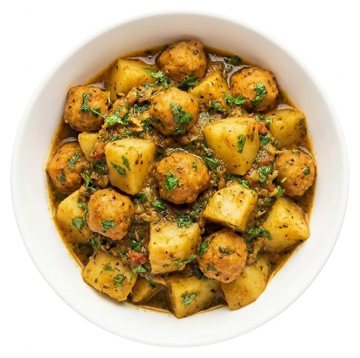
- Same: Dhaniya Aloo Mangodi also pairs potatoes with lentils and seasons them with cumin, coriander, and chilli.
- Different: Rather than an assembled crisp chaat layered with yogurt and tamarind chutney, it is a warm curry simmered in a fresh coriander and tomato gravy using ghee, ginger, and turmeric.

- Same: Both dishes use potatoes and legumes seasoned with green chillies, chilli powder, and coriander.
- Different: Majjige Huli is a simmered curry made with coconut, ginger, curry leaves, and a ghee tempering, whereas this dish consists of a deep-fried pastry dressed with vegetable oil, yogurt, amchoor, cumin, and mint and tamarind chutneys.

- Same: Both are deep-fried in vegetable oil and feature a potato filling seasoned with amchoor, ground cumin, and coriander.
- Different: Mirchi Vada consists of whole batter-fried green chillies and lacks the crisp pastry shell, boiled legumes, yogurt, ground cloves, and mint and tamarind chutneys used in this dish.

- Same: Aloo Vadiyan also combines potatoes, lentils, and yogurt seasoned with cumin, chilli powder, and coriander.
- Different: Instead of being an assembled deep-fried pastry snack, Aloo Vadiyan is a simmered curry cooked in ghee with a gravy of tomatoes, onions, ginger, garlic, and turmeric.