
Gota Siddho
A comforting, rustic Bengali stew featuring whole green lentils simmered with winter vegetables and fragrant whole spices, enriched at the finish with fresh greens, ghee, and milk.
Whole spices
4.1 gAdded to the pan with the vegetables (step 4)Everything else

Method
- Cover 500 g whole moong beans with water in a bowl and let soak for at least 40 minutes, or overnight.
- Drain the soaked beans thoroughly. Place a dry frying pan over medium-high heat and toast them for several minutes until lightly browned and aromatic.
- Move the toasted beans into a pressure cooker along with 600 ml water. Seal and cook under pressure for 15 minutes until soft (alternatively, boil covered in a deep saucepan for about 30 minutes). Drain and transfer the beans to a large, clean cooking pot.
- Add 8 potatoes, 8 peas in their pods, 8 broad beans, 2 sweet potatoes, 1 mooli, 12 g ginger, the whole spices, 125 ml water, and salt to taste. Cover with a lid and simmer over medium heat for 15 to 20 minutes, until the vegetables are tender and the dal has thickened.
- Stir in 100 g spinach and continue cooking for 5 minutes until the leaves have wilted.
- Stir in 13.2 g ghee and 61.2 g milk, then immediately take the pot off the heat.
Don't have something?
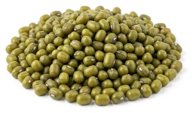
 Whole mung bean
This is the same bean under another name; use the same weight and soak as directed.
 Split green mung beans
Use the same weight; no soaking is needed and it cooks 10–15 minutes faster, so add it later and expect a softer dal.
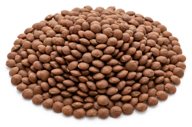 Whole brown lentil
Use the same weight; it has a similar bite but an earthier flavour and needs 5–10 minutes longer.


 Potato
Use the same weight; peel or scrape and cut to new-potato size. Allow 3–5 minutes longer, as it is flourier and may break up.
- Baby potatoes
Use the same weight; halve any large ones. Cook as the recipe says, adding 2–3 minutes if needed.
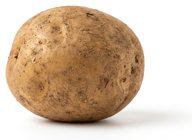 Small potato
Use the same weight; leave whole or halve. Slightly flourier, so simmer gently to avoid breaking.
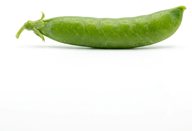


 French bean
Use the same weight; it is less starchy, so cook 2–3 minutes less and adjust salt.
 Green bean
Use the same weight; it is leaner and quicker-cooking, so add it later in the recipe.
 Frozen peas
Use the same weight; they are sweeter and softer, so reduce cooking time and adjust sugar.


- Potato
Use the same weight, cut to the same size. It is less sweet and holds shape better; add a pinch of sugar if the recipe relies on sweetness.
 Yam
Use the same weight, peeled and cut to size; it is drier and starchier, so cook a little longer and add extra liquid if needed.
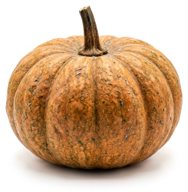 Pumpkin
Use the same weight, cut into chunks; it is softer and sweeter, so add it later and cook briefly to avoid collapsing.


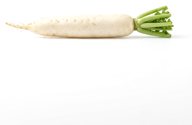
 White radish
Same vegetable under another name; use the same weight, peel and grate or slice. Salt a little less if very pungent.
 Radish
Use the same weight; red radishes are smaller and sharper, so grate and squeeze out excess water.
 Turnip
Use the same weight; milder and less peppery, so cook 3-5 minutes longer until tender.


 Coarsely ground black pepper
Use 75% of the weight. Add midway through simmering; spreads heat evenly through the dish instead of delivering isolated bursts.
 Ground black pepper
Use 50% of the weight. Stir in near the end of cooking; significantly darkens light gravies and provides an immediate, sharp bite.


 Ground cloves
Use 1 g ground for 4 g whole (or 1 small pinch per 2 to 3 whole cloves). Add with spice powders; disperses intense warmth quickly, so use with restraint.
 Allspice berries
Use 100% of the weight whole in tempering. Imparts a warm, clove-like aromatic profile combined with hints of nutmeg and cinnamon.
 Black cardamom pod
Use 1 pod for 3 to 4 cloves in whole tempering. Shares a camphor-like warmth and medicinal depth, though it introduces a distinct smoky undertone.


 Ceylon cinnamon
True cinnamon: thinner, papery quills, milder and sweeter. Use about 1.5 times the weight, and taste.
 Ground cinnamon (cassia)
Use about a third of the weight (0.5 g ground for a 2.5 cm piece), stirred in with the ground spices rather than fried whole, since the powder burns quickly.
 Cassia buds
Use 60-70% of the weight; stronger and more peppery, so taste before adding more.


 Green cardamom seed
Use 35 to 40% of the total pod weight; lightly bruise the seeds before frying in oil to release their essential oils.
 Ground green cardamom
Use 20 to 25% of the pod weight (about 1 generous pinch per pod); stir in toward the end of cooking so the delicate floral notes do not dissipate.
 White cardamom pod
Use 1:1 by pod count or weight; crack gently before using, though it is slightly less intensely floral.


 Fresh ginger
Use equal weight; scrape off the skin and grate or finely julienne according to the recipe.
 Ginger paste
Use equal weight; stir straight into the sizzling aromatics, taking care as the extra moisture may spit.
 Ground ginger
Use 15 to 20% of the weight; add alongside ground spices, noting it imparts warm, dry heat rather than zesty freshness.


 Spinach
Use the same weight; exactly the same leaf, so no real change except trimming stalks.
 Amaranth leaves
Use the same weight; wilts faster and is slightly milder, so cook briefly.
 Mustard leaves
Use 80% of the weight and blanch first; stronger and peppery, so it will change the flavour noticeably.


 Unsalted butter
Use 120% of the weight; melt gently over low heat to avoid burning the milk solids, which will yield a softer, creamier richness rather than a nutty aroma.
 Vegetable oil
Use 85% of the weight; holds high cooking temperatures without smoking, but the final dish will lack traditional dairy depth.
 Mustard oil
Use equal weight; heat to smoking point and cool slightly before cooking, bearing in mind it introduces an assertive, pungent edge.



 Whole milk
Use equal weight; provides the standard rich dairy fat and body expected in creamy Indian bases.
 Single cream
Dilute 3 parts cream with 1 part water to match the weight; yields a richer, glossier gravy that resists curdling.
 Plain yogurt
Whisk thoroughly and use equal weight; adds extra body and a mild pleasant acidity, best added off the heat.

Similar dishes
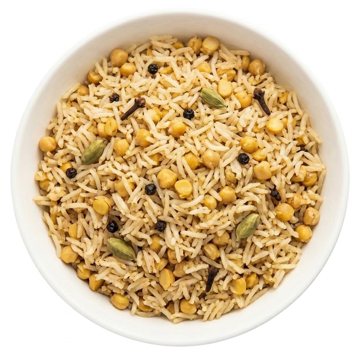
- Same: Both dishes season legumes using ghee and a shared whole-spice blend of black peppercorns, cloves, green cardamom, and cinnamon stick.
- Different: Chane ki Dal ki Tehari is a rice-and-split-chickpea pilaf cooked with bay leaves and a heavy quantity of ghee, rather than a lentil-and-vegetable stew finished with ginger and milk.

- Same: Both dishes feature lentils cooked with aromatic spices like green cardamom, cinnamon, cloves, and ginger, finished with a splash of dairy.
- Different: Khare Maash ki Dal is a dry-style split urad dal prepared with vegetable oil, ample onions, garlic, cumin, and chillies, whereas this dish is a soupy moong and vegetable stew made with ghee, milk, and black peppercorns.

- Same: Both recipes cook lentils alongside warm spices including ginger, cinnamon, cloves, black peppercorns, and green cardamom.
- Different: Shami Kebab is made by grinding minced lamb and split lentils into patties fried in vegetable oil with chillies and tamarind thokku, whereas this dish is a vegetarian stew simmered with vegetables, milk, and ghee.

- Same: Both dishes are finished with whole warm spices—cinnamon, cloves, and green cardamom—and use ghee and milk for richness.
- Different: Qabooli is a layered basmati rice preparation cooked with onions, yogurt, saffron, and a large quantity of ghee, lacking this dish's whole moong lentils, vegetables, ginger, and black peppercorn.