Indian cooking
Indian cooking / Dishes / Majjige Huli
Majjige Huli (Mixed Vegetable Curry from Karnataka)

Majjige Huli

Mixed Vegetable Curry from Karnataka
Vegetarian●●●Origin CoastalPrep 30 minutes, plus soaking timeCook 40 minutes

A traditional South Indian vegetable curry bathed in a creamy, tangy coconut and buttermilk gravy thickened with chana dal, finished with a fragrant spiced ghee tempering.

Mustard powder for the paste

6 gBlended with the chana dal and coconut paste (step 3)
01
6 g1 tablespoon
spice
Keep ready to blend with the paste ingredients.

Mustard seeds for the tempering

3.3 gFried in ghee at the start of tempering (step 5)
01
3.3 g1 teaspoon
spice
Keep whole to fry in hot ghee.

Chilli powder for the tempering

8 gAdded to the tempering pan just before finishing (step 5)
01
8 g1 tablespoon
spice
Keep ready to stir briefly into the hot ghee.

Everything else

01
Chana dalrinsed and drained
200 g
legume
02
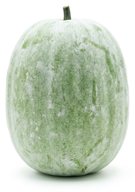
Ash gourd · Pethacut into cubes
500 g
vegetable
03
120 g
vegetable
04
Potato · Aloocut into cubes
150 g
vegetable
05
French green bean · Phalitopped and tailed (trimmed), then cut into 2.5-cm / 1-inch pieces
110 g
vegetable
06
6 g1 tablespoon
aromatic
07
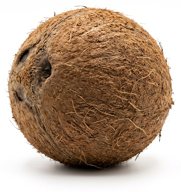
200 g½ coconut
fruit
08
~1 g1 sprig
herb
09
2.5–3.8 g10–15 leaves
herb
10
Green chilli · Hari Mirchde-seeded and chopped
24–36 g4–6 chillies
vegetable
11
1034 g1 l
dairy
12
to taste
salt
13
26 g2 tablespoons
oil/fat
14
2.5–3.8 g10–15 leaves
herb

Method

  1. Submerge 200 g chana dal in water in a large bowl and leave to soak overnight.
  2. Bring 250 ml of water seasoned with salt to taste to a boil in a heavy saucepan, then add 500 g None, 120 g None, 150 g potato, and 110 g None.
  3. Drain the soaked chana dal and place it in a blender with 6 g fresh ginger, 200 g coconut, 1 g coriander, 2.5–3.8 g curry leaf, 24–36 g green chilli, and the mustard powder for the paste. Blend, drizzling in a little water if needed, to achieve a smooth paste.
  4. In a separate bowl, whisk the ground paste into 1000 g None (buttermilk), then pour the mixture over the vegetables in the pan. Bring everything to a boil, then lower the heat, cover, and simmer gently until the vegetables are completely tender.
  5. Warm 26.4 g ghee in a skillet set over medium heat. Tip in the mustard seeds for the tempering and cook for roughly 1 minute until they crackle, then toss in 2.5–3.8 g curry leaf and the chilli powder for the tempering, stir-fry for several seconds, and immediately pour the sizzling mixture over the curry.

Don't have something?

Chana dal
  • Yellow split peas

    Use 100% of the weight. Soak for at least 1 hour; takes about 10 minutes longer to cook through and has a marginally earthier flavour.

  • Pigeon peas

    Use 100% of the weight. Reduces cooking time by about 10 minutes and breaks down softer, giving a smoother consistency rather than distinct grains.

  • Black gram

    For tempering or tadka only: use 70% of the weight. Browns faster in hot oil, providing a nutty, crunchy bite.

Ash gourd
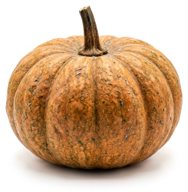
  • Pumpkin

    Use the same weight; peel and cube. It is sweeter and softer, so reduce the simmer by 2–3 minutes.

  • Bottle gourd

    Use the same weight; peel and cube. It cooks similarly but is milder and more watery, so simmer uncovered for 2 minutes longer.

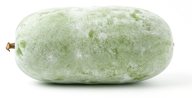
  • Wax gourd

    Use the same weight; peel and cube. It is the closest texture, though it may need 2 minutes more cooking.

Chayote
  • Courgette

    Use the same weight; cut similarly. Cooks faster, so add 3–5 minutes later. More watery.

  • Bottle gourd

    Use the same weight; peel, deseed and cut into similar pieces. Softer and faster cooking.

  • Ash gourd

    Use the same weight; peel and cut into similar pieces. Firmer, so allow a few extra minutes.

Potato
  • Eggplant

    Use equal weight. Cut into large chunks; cooks down much faster (10-12 minutes) and softens into the sauce rather than staying starchy and firm.

  • Paneer

    Use 80% of the weight. Cube and add in the last 5-10 minutes of cooking; adds rich dairy protein instead of starchy bulk.

  • Dried chickpea

    Use 45% dry weight. Soak overnight and boil until fully soft before stirring into the sauce to simmer for 10 minutes.

French green bean
  • Green bean

    Use the same weight, top and tail, and cook the same way. Closest match.

  • French bean

    Use the same weight and trim; cooking time is the same.

  • Cluster bean

    Use the same weight, cut into similar lengths, and cook 2 minutes longer until tender.

Fresh ginger
  • Ginger paste

    Use equal weight. Sauté in hot fat until the raw allium smell disappears; slightly wetter, but provides identical warmth and pungency.

  • Ground ginger

    Use 20% to 25% of the weight (1 g for every 4 to 5 g fresh). Stir into the gravy; adds peppery heat and warmth, though it misses the crisp, zesty kick of raw root.

Mustard powder
  • Ground mustard seed

    Use equal weight. Finely grind whole black or yellow mustard seeds in a spice grinder; yellow gives milder heat, black gives stronger pungency.

  • Mustard seeds

    Use equal weight, crushed to a paste with a splash of water using a pestle and mortar. Adds a similar sharp bite.

Coconut
  • Fresh coconut

    Use equal weight freshly grated or diced. Delivers the identical sweet, milky taste and juicy texture.

  • Desiccated coconut

    Use 60% of the weight and soak in hot water or milk for 15 minutes before using. The finished dish will be slightly sweeter and less fibrous.

  • Dried coconut

    Finely grate and use 50% of the weight, soaked in hot water for 20 minutes. Yields a firmer chew and a denser, oilier coconut aroma.

Coriander
  • Coriander leaf

    Use equal weight, chopped fresh and stirred in off the heat or used as garnish. Matches the citrus-herbal profile identically.

  • Mint

    Use 40% to 50% of the weight; chop finely and add at the very end. Adds fresh herbal brightness, but shifts the aroma toward cool menthol.

Curry leaf
  • Bay leaf

    Fry 1 bay leaf for every 5 curry leaves in hot oil; imparts a warm, woodsy background note, but misses the citrus-sulphury punch entirely.

  • Lime juice

    Add a small squeeze (about 5 ml per sprig of curry leaves) right before serving; provides sharp citrus top notes without the toasty, herbal aroma.

Green chilli
  • Chilli powder

    Use 10 to 15% of the weight (about 1/4 teaspoon per chilli); imparts dry pungent heat and reddens the dish without the grassy crunch.

  • Dried red chilli

    Use 1 dried pod per fresh green chilli; snap in half and temper in hot oil for a deeper, toastier heat.

Buttermilk
  • Yogurt

    Whisk 1 part yogurt with 2 parts water (40 g yogurt plus 80 g water for 120 g buttermilk); a little thicker and more sour than true buttermilk, so loosen with extra water.

  • Full-fat natural yoghurt

    Same as yogurt: thin 1:2 with cold water and whisk until smooth; strain first if the dish needs a runny consistency.

  • Milk

    Stir 15 g lemon juice into 250 g milk, leave 10 minutes, then stir; thinner and only lightly sour, so add a squeeze more lemon.

Ghee
  • Unsalted butter

    Use 120% of the weight; melt gently over low heat to avoid burning the milk solids, which will yield a softer, creamier richness rather than a nutty aroma.

  • Vegetable oil

    Use 85% of the weight; holds high cooking temperatures without smoking, but the final dish will lack traditional dairy depth.

  • Mustard oil

    Use equal weight; heat to smoking point and cool slightly before cooking, bearing in mind it introduces an assertive, pungent edge.

Mustard seed
  • Black mustard seed

    Use the same weight. The seeds are smaller and hotter; fry in hot oil until they pop, about 20–30 seconds, and reduce the heat if they darken too fast. The dish will be a little sharper.

  • Yellow mustard seeds

    Use the same weight. They are milder and larger; fry a few seconds longer until they pop. The finished dish will have less pungency.

  • Ground mustard seed

    Use 70% of the weight of whole seed, added with the other ground spices rather than fried whole. You lose the popping texture and the heat comes through more evenly.


Chilli powder
  • Red chilli powder

    Use 100% of the weight. Provides direct, sharp heat and red colour in equal measure.

  • Kashmiri chilli powder

    Use 150% to 200% of the weight if matching colour, but add a pinch of black pepper or hot chilli if you need equivalent fiery heat.

  • Cayenne pepper

    Use 75% to 100% of the weight. Offers a sharp, clean heat with slightly less earthy depth and less crimson colour.

Similar dishes

Masala Dosa
Spicy Stuffed Pancakes
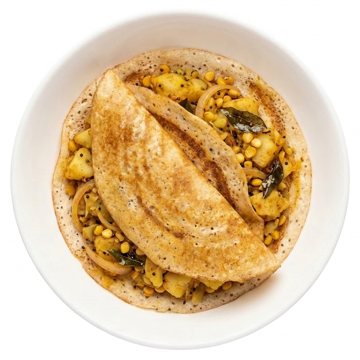
Masala Dosa tastes tangy from fermentation and crisp around a warm potato filling, while this dish tastes tangy from buttermilk and creamy from coconut, with a softer curry texture.
  • Same: Masala Dosa shares potato, chana dal, mustard seeds, curry leaves, and chilli with this dish, and both use a mustard-seed tempering.
  • Different: Masala Dosa is a fermented rice-and-urad dal crepe stuffed with onion, turmeric, lemon juice, and potato, while this dish is a coconut-buttermilk vegetable curry thickened with chana dal and cooked with ash gourd, chayote, and green beans.
Thenga Chertha Ulli Sambhar
Dal with Vegetables
It has a deeper, nuttier flavour with sharp tamarind acidity, whereas this dish is creamier and milder with a lactic tang.
  • Same: Both recipes are South Indian dal curries built on coconut, green chillies, and a mustard seed and curry leaf tempering.
  • Different: Thenga Chertha Ulli Sambhar uses toor dal, shallots, sambar masala, and tamarind extract instead of the chana dal, potatoes, buttermilk, ginger, and ghee found in this dish.
Muthapappu
Moong Dal, Coconut & Vegetable Curry
Muthapappu has an earthier and milder profile, lacking the tangy acidity of buttermilk and the sharp heat of fresh green chillies and ginger.
  • Same: Like this dish, Muthapappu is a dal-based curry flavoured with coconut, coriander, mustard, and chilli.
  • Different: Muthapappu uses moong dal and dried coconut instead of chana dal and fresh coconut, omitting this dish's potatoes, buttermilk, fresh ginger, curry leaves, and ghee.
Kadalaparippu Payasam
Chana Dal Dessert
Kadalaparippu Payasam is rich and sweet with aromatic cardamom, whereas this dish is savory, spicy, and tangy.
  • Same: Kadalaparippu Payasam shares chana dal, grated coconut, and ghee with this dish.
  • Different: Kadalaparippu Payasam is a sweet pudding cooked with jaggery, coconut milk, cashews, and cardamom, lacking the potatoes, green chillies, ginger, mustard seeds, and curry leaves used in this dish.