Indian cooking
Indian cooking / Dishes / Aloo Vadiyan
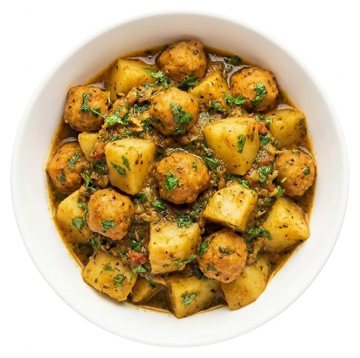
Aloo Vadiyan (Spicy Lentil Dumplings with Potatoes)

Aloo Vadiyan

Spicy Lentil Dumplings with Potatoes
Vegetarian●●●Origin PunjabPrep 30 minutesCook 35-40 minutes

A comforting, homestyle North Indian curry pairing spiced sun-dried lentil dumplings and tender potatoes in a fragrant, tangy yogurt-and-tomato gravy.

Marinade spices

11 gWhisked into the yogurt (step 1)
01
5 g1 tablespoon
spice
02
2.6 g1 teaspoon
spice
03
3 g1 teaspoon
spice
Stir together with the yogurt until completely smooth.

Whole spice

4.2 gBloomed in the hot ghee (step 2)
01
4.2 g2 teaspoons
spice
Leave whole; tip directly into the hot fat.

Ginger and garlic pastes

27 gFried with the softened onions (step 3)
Combine together into a smooth paste.

Finishing spice

0.3 gStirred into the curry at the end (step 8)
Keep as a ground powder to sprinkle over the finished dish.

Everything else

01
66 g5 tablespoons
oil/fat
02
150 g
vegetable
03
150 g
vegetable
04
Potato · Aloocut into thin chips (French fries)
1200 g4 potatoes
vegetable
06
to taste
salt
07
1 g1 tablespoon
herb
08
155 g150 ml
dairy

Method

  1. In a wide mixing bowl, whisk 155 g yogurt with the marinade spices until completely combined.
  2. Melt 66 g ghee in a large heavy pot over medium heat. Add the whole spice and fry for 1 minute until fragrant and crackling.
  3. Tumble in 150 g chopped onion and sauté for 5 minutes until pale golden. Add the ginger and garlic pastes and fry for 2 to 3 minutes until the onions turn rich golden brown.
  4. Take the pan off the flame and whisk in the spiced yogurt. Return to the heat and cook, stirring, for 2 to 3 minutes until the ghee separates and floats to the top.
  5. Tip in 150 g puréed tomato and 1200 g potato chips. Fry for 2 to 3 minutes until the fat separates out once again.
  6. Pour in 1 litre water and add salt to taste. Bring the liquid to a rolling boil, drop the heat to low, and simmer for 10 minutes, stirring occasionally, until the potatoes are three-quarters done.
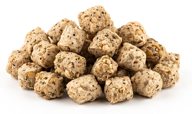
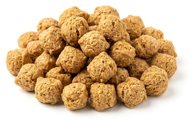
  7. Stir in 250 g urad dal vadi and bring back to the boil. Lower the heat and simmer for another 10 minutes, stirring frequently, until the potatoes are cooked through and the gravy is light and fluid.
  8. Stir through the finishing spice, then remove from the heat. Check the seasoning, add more salt if needed, and scatter over 1 g chopped coriander leaf.

Don't have something?

Ghee
  • Unsalted butter

    Use 120% of the weight; melt gently over low heat to avoid burning the milk solids, which will yield a softer, creamier richness rather than a nutty aroma.

  • Vegetable oil

    Use 85% of the weight; holds high cooking temperatures without smoking, but the final dish will lack traditional dairy depth.

  • Mustard oil

    Use equal weight; heat to smoking point and cool slightly before cooking, bearing in mind it introduces an assertive, pungent edge.

Cumin seed
  • Ground cumin

    Use 70% of the weight; add with ground spices or sauce bases rather than hot oil tempering, where it scorches quickly and turns bitter.

  • Black cumin seeds

    Use equal weight for oil tempering. Delivers an earthy profile with an additional musky, smoky, and slightly bitter edge.

  • Fennel seed

    Use 60% of the weight for tempering; offers comparable warm aroma, but leans sweet and liquorice-like rather than savoury and earthy.

Onion
  • Shallot

    Use equal weight, finely sliced. Shallots soften and brown faster, giving a slightly sweeter and more delicate base to curries.

  • Cabbage

    Use 80% of the weight, finely shredded and browned slowly with a pinch of asafoetida. Replicates the bulk and natural sweetness in gravies without allium.

Ginger paste
  • Fresh ginger

    Use equal weight; peel and grate very finely on a microplane or pound to a fine paste in a mortar.

  • Ginger

    Use equal weight; mince finely and crush with the flat of a knife before frying.

  • Ground ginger

    Use 20% of the weight; add directly with the dry spice powders, though it yields an earthier, less pungent profile.

Garlic paste
  • Garlic

    Use equal weight; crush or finely grate to a smooth pulp to replicate the same fresh, pungent moisture in your base gravy.

  • Garlic powder

    Use 20 to 25% of the weight; mix with a teaspoon of water before adding to oil so it does not burn, noting it lacks the fresh bite.

Tomato
  • Tomato purée

    Use 40% to 50% of the fresh tomato weight mixed with a splash of water. Imparts a deeper red colour, thicker sauce, and slightly sweeter cooked flavour.

  • Plain yogurt

    Use 60% of the weight, whisked smooth and added on low heat. Provides rich body and sourness, though the gravy becomes paler and creamier.

Potato
  • Eggplant

    Use equal weight. Cut into large chunks; cooks down much faster (10-12 minutes) and softens into the sauce rather than staying starchy and firm.

  • Paneer

    Use 80% of the weight. Cube and add in the last 5-10 minutes of cooking; adds rich dairy protein instead of starchy bulk.

  • Dried chickpea

    Use 45% dry weight. Soak overnight and boil until fully soft before stirring into the sauce to simmer for 10 minutes.

Urad dal vadi
  • Dried lentil dumplings

    Use the same weight; fry in oil until puffed before adding. It may be saltier, so taste before adding salt.

  • Dried mung bean dumplings

    Use the same weight; fry or soak as the recipe directs. It is a similar dried lentil dumpling.

  • Kashmiri vadi

    Use the same weight; fry until lightly crisp. It has a different spice mix, so the flavour will change.

Ground fenugreek
  • Fenugreek seeds

    Grind whole seeds finely in a spice grinder; use equal weight (1:1). Ensure it cooks through gently, as undercooked or burnt ground seeds become intensely bitter.

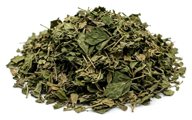
  • Dried fenugreek leaves

    Crush dried leaves between your palms and add towards the end; use 50% of the weight. Gives the unmistakable maple-herb aroma without the sharp bitterness of the seeds.

  • Yellow mustard seeds

    Grind finely; use 50% of the weight. Adds an earthy, sharp bite, though it lacks the distinctive sweet-curry smell.

Coriander leaf
  • Coriander

    Use equal weight finely chopped; this is the exact same fresh herb.

  • Mint

    Use half the weight finely chopped; provides vibrant green freshness, though the flavour profile becomes noticeably cooler and sharper.

Yogurt
  • Plain yogurt

    Use 100% of the weight. Whisk thoroughly until smooth before stirring into warm gravies to prevent curdling.

  • Single cream

    Use 90% of the weight combined with 10% lemon juice to replicate the lactic tang and rich body in marinades and curries.

Ground coriander
  • Coriander seeds

    Dry-roast lightly in a pan and grind to a fine powder; use equal weight (1:1). Offers a noticeably fresher, brighter citrus note.

  • Ground cumin

    Use 50% to 75% of the weight. Lacks the floral, citrusy profile of coriander and turns the gravy heavier, earthier, and darker.

  • Garam masala

    Use 50% of the weight and stir in near the end of cooking. Adds warmth and depth since it contains ground coriander, but introduces stronger spices like clove and cinnamon.

Chilli powder
  • Red chilli powder

    Use 100% of the weight. Provides direct, sharp heat and red colour in equal measure.

  • Kashmiri chilli powder

    Use 150% to 200% of the weight if matching colour, but add a pinch of black pepper or hot chilli if you need equivalent fiery heat.

  • Cayenne pepper

    Use 75% to 100% of the weight. Offers a sharp, clean heat with slightly less earthy depth and less crimson colour.

Ground turmeric
  • Ground ginger

    Use 50% of the weight. Mimics turmeric's warm, earthy, rhizome background, but provides none of the golden-yellow colour.

  • Saffron

    Steep a tiny pinch (0.1 g per 2 g turmeric) in 2 tbsp warm water; use to match the rich golden hue. Contributes an aristocratic, honeyed floral flavour rather than earthy bitterness.


Similar dishes

Dhaniya Aloo Mangodi
Lentil Dumpling with Coriander & Potatoes
Dhaniya Aloo Mangodi tastes fresh, herbal, and sharp from black pepper and coriander rather than rich, savoury, and tangy from yogurt, onion, and garlic.
  • Same: Dhaniya Aloo Mangodi also combines potatoes and lentil dumplings in a tomato base seasoned with cumin seeds, ground coriander, turmeric, and chilli powder cooked in ghee.
  • Different: It omits the yogurt, onion, garlic, and fenugreek, adding black pepper, vegetable oil, and a large quantity of fresh coriander leaves instead.
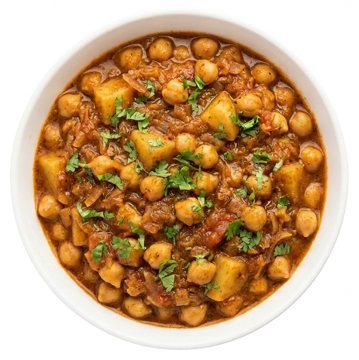
Channa Masala
Chickpea (Garbanzo Bean) Curry
Channa Masala is less rich and lacks the dairy tang and slight fenugreek bitterness that define this dish.
  • Same: Both curries simmer potatoes in an onion-and-tomato base seasoned with ginger, garlic, coriander, turmeric, and chilli powder.
  • Different: Channa Masala incorporates chickpeas, uses far fewer potatoes, and omits this dish's ghee, yogurt, whole cumin seeds, and fenugreek.
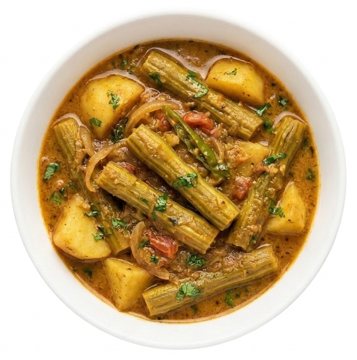
Munakkaigguru
Drumstick Curry
Munakkaigguru has a sweet, creamy coconut base with a sharp citrus finish from lime juice, whereas this dish is rich with ghee and tangier from yogurt.
  • Same: Munakkaigguru also features potatoes cooked in a base of onions, tomatoes, ginger, garlic, turmeric, chilli powder, and coriander.
  • Different: Munakkaigguru uses vegetable oil, drumsticks, coconut milk, green chillies, and lime juice instead of the ghee, lentil dumplings, fenugreek, and yogurt used in this dish.
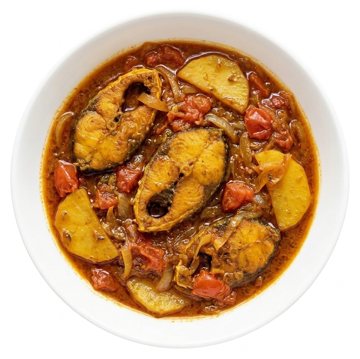
Year Chapa
Fried Fish in Tomato Sauce
Year Chapa tastes richer in savoury seafood and sweet tomato notes, lacking the buttery dairy tang and herbal fenugreek edge of this dish.
  • Same: Year Chapa also features tender potatoes simmered in an onion and tomato sauce seasoned with garlic, ginger, turmeric, coriander, and chilli powder.
  • Different: Year Chapa pairs the potatoes with deep-fried fish instead of lentil dumplings, cooks in vegetable oil instead of ghee, and builds its sauce with far more tomatoes and onions while omitting yogurt, cumin seeds, and fenugreek.