Indian cooking
Indian cooking / Dishes / Qabali Seviyan
Qabali Seviyan (Vermicelli & Masala Chicken)

Qabali Seviyan

Vermicelli & Masala Chicken
Non-vegetarianPrep 40 minutesCook 6–8 minutes

A layered, savoury bake alternating spiced vermicelli with a zesty tomato-chicken masala, finished with a lightly set egg and cheese topping.

Ground spices for the vermicelli

7 gStirred into the softened onions (step 2)
01
3.9 g1½ teaspoons
spice
02
3 g1 teaspoon
spice
Stir together to combine.

Ground spices for the chicken

11 gAdded to the browned onions (step 4)
02
3.6 g2 teaspoons
spice
03
2.2 g¾ teaspoon
spice
Stir together to combine.

Finishing spice for the chicken

2.6 gSprinkled over the cooked chicken (step 5)
01
2.6 g1 teaspoon
spice blend
Keep ready to finish the chicken.

Spice for the egg custard

1.3 gWhisked into the egg mixture (step 6)
01
1.3 g½ teaspoon
spice
Keep ready to whisk into the eggs.

Everything else

01
33 g2½ tablespoons
oil/fat
02
150 g1 onion
vegetable
03
6 g1 chilli
vegetable
04
Ginger · Adrakcut into julienne
14 g1 piece
aromatic
06
~1 gsprig
herb
07
50 g1 lemon
fruit
08
to taste
salt
09
40 g3 tablespoons
oil/fat
10
10 g1 piece
aromatic
11
20 g2 tablespoons
vegetable
12
80 g
vegetable
13
80 g
vegetable
14
Chicken breastcut into thin strips
400 g2 breasts
poultry
15
~1 gsprig
herb
16
6 g2 teaspoons
nut/seed
17
50 g1 lemon
fruit
18
to taste
salt
19
100 g2 eggs
egg
20
15 g1½ tablespoons
vegetable
21
Tomato · Tamatarde-seeded and chopped
11 g1 tablespoon
vegetable
22
4.9 g½ tablespoon
vegetable
23
~1 gsprig
herb
24
Cheesegrated
4.6 g2 teaspoons
dairy
25
to taste
salt

Method

  1. Preheat the oven to 180°C (350°F).
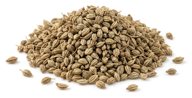
  2. Melt 33 g ghee in a wide, heavy pan set over medium heat and let 0.5 teaspoon caraway seeds infuse in the hot fat. Add 1 sliced onion, 6 g green chilli and 14.4 g ginger julienne, frying for roughly 5 minutes until the onions turn soft and translucent.
  3. Scatter in the ground spices for the vermicelli and salt to taste, cooking for 1 minute. Add 100 g vermicelli, cover with hot water, put on the lid and simmer for 3–4 minutes until tender. Take off the heat, stir through 1 g chopped coriander and the juice of 1 lemon, then season to taste and set aside.
  4. In a separate heavy pan, warm 40.5 g vegetable oil over medium heat. Sauté 9.6 g chopped ginger and 19.8 g chopped green chilli for a few seconds, then tip in 80 g chopped onion and cook for 5–7 minutes until deep golden brown. Stir in the ground spices for the chicken with a pinch of salt, fry for 1 minute, then add 80 g chopped tomato and cook until completely softened.
  5. Introduce 2 chicken breasts cut into thin strips and sauté until thoroughly cooked through. Dust over the finishing spice for the chicken, then toss through 1 g chopped coriander, 2 teaspoon pine nuts, the juice of 1 lemon and salt to taste. Remove from the heat.
  6. In a mixing bowl, lightly beat 2 eggs. Whisk in 1.5 tablespoon chopped onion, 1 tablespoon seeded and chopped tomato, 4.9 g chopped green chilli, 1 g chopped coriander, 2 teaspoon grated cheese, 0.5 teaspoon crushed black pepper, the spice for the egg custard and salt to taste.
  7. In an ovenproof baking dish, layer half of the vermicelli followed by half of the chicken, repeating to use up both preparations. Pour the seasoned egg mixture evenly across the surface and bake for 6–8 minutes until the egg custard is fully set.

Don't have something?

Ghee
  • Unsalted butter

    Use 120% of the weight; melt gently over low heat to avoid burning the milk solids, which will yield a softer, creamier richness rather than a nutty aroma.

  • Vegetable oil

    Use 85% of the weight; holds high cooking temperatures without smoking, but the final dish will lack traditional dairy depth.

  • Mustard oil

    Use equal weight; heat to smoking point and cool slightly before cooking, bearing in mind it introduces an assertive, pungent edge.

Caraway seeds
  • Fennel seed

    Same weight, lightly crushed; sweeter and milder but the closest match for the anise note.

  • Cumin seed

    Use two-thirds the weight; earthier and warmer, losing most of the aniseed character — good in breads and root vegetables.

  • Carom seeds

    Use half the weight; much more pungent and thyme-like, so add early in hot oil to soften it.

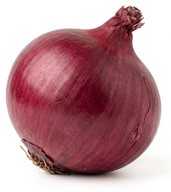
Red onion
  • Onion

    Use the same weight; cook a little longer. Milder and less sweet when raw.

  • Shallot

    Use the same weight; sweeter and softer, so reduce cooking time slightly.

  • Spring onion

    Use only the white parts, weight for weight, for raw or quick-cooked dishes; green parts are too grassy for long cooking.

Green chilli
  • Chilli powder

    Use 10 to 15% of the weight (about 1/4 teaspoon per chilli); imparts dry pungent heat and reddens the dish without the grassy crunch.

  • Dried red chilli

    Use 1 dried pod per fresh green chilli; snap in half and temper in hot oil for a deeper, toastier heat.

Ginger
  • Fresh ginger

    Use equal weight; scrape off the skin and grate or finely julienne according to the recipe.

  • Ginger paste

    Use equal weight; stir straight into the sizzling aromatics, taking care as the extra moisture may spit.

  • Ground ginger

    Use 15 to 20% of the weight; add alongside ground spices, noting it imparts warm, dry heat rather than zesty freshness.

Chilli powder
  • Red chilli powder

    Use 100% of the weight. Provides direct, sharp heat and red colour in equal measure.

  • Kashmiri chilli powder

    Use 150% to 200% of the weight if matching colour, but add a pinch of black pepper or hot chilli if you need equivalent fiery heat.

  • Cayenne pepper

    Use 75% to 100% of the weight. Offers a sharp, clean heat with slightly less earthy depth and less crimson colour.

Ground turmeric
  • Ground ginger

    Use 50% of the weight. Mimics turmeric's warm, earthy, rhizome background, but provides none of the golden-yellow colour.

  • Saffron

    Steep a tiny pinch (0.1 g per 2 g turmeric) in 2 tbsp warm water; use to match the rich golden hue. Contributes an aristocratic, honeyed floral flavour rather than earthy bitterness.

Vermicelli
  • Thick vermicelli

    Use the same weight; soak or cook a little longer. It is coarser and less delicate.

  • Broken rice

    For kheer or payasam only, use the same weight and cook longer. It will not work for stir-fried vermicelli.

Coriander
  • Coriander leaf

    Use equal weight, chopped fresh and stirred in off the heat or used as garnish. Matches the citrus-herbal profile identically.

  • Mint

    Use 40% to 50% of the weight; chop finely and add at the very end. Adds fresh herbal brightness, but shifts the aroma toward cool menthol.

Lemon
  • Lime

    Use the same weight or juice amount; sharper, so taste before adding all the juice.

  • Lemon juice

    Use about 45–50 ml for 1 lemon; add off the heat to keep the freshness.

  • Dried mango powder

    Use 1 tsp for the juice of 1 lemon; add early. Sourness is flatter and less fresh.

Vegetable oil
  • Peanut oil

    Use 1:1 by weight. Handles high-heat frying identically and introduces a very subtle, pleasant nuttiness.

  • Ghee

    Use 1:1 by weight. Yields a much richer, authentic aroma and a glossy, heavier mouthfeel.

  • Mustard oil

    Use 1:1 by weight. Heat until smoking, then cool slightly before cooking to temper its intensely pungent, sharp mustard kick.

Onion
  • Shallot

    Use equal weight, finely sliced. Shallots soften and brown faster, giving a slightly sweeter and more delicate base to curries.

  • Cabbage

    Use 80% of the weight, finely shredded and browned slowly with a pinch of asafoetida. Replicates the bulk and natural sweetness in gravies without allium.

Ground coriander
  • Coriander seeds

    Dry-roast lightly in a pan and grind to a fine powder; use equal weight (1:1). Offers a noticeably fresher, brighter citrus note.

  • Ground cumin

    Use 50% to 75% of the weight. Lacks the floral, citrusy profile of coriander and turns the gravy heavier, earthier, and darker.

  • Garam masala

    Use 50% of the weight and stir in near the end of cooking. Adds warmth and depth since it contains ground coriander, but introduces stronger spices like clove and cinnamon.

Tomato
  • Tomato purée

    Use 40% to 50% of the fresh tomato weight mixed with a splash of water. Imparts a deeper red colour, thicker sauce, and slightly sweeter cooked flavour.

  • Plain yogurt

    Use 60% of the weight, whisked smooth and added on low heat. Provides rich body and sourness, though the gravy becomes paler and creamier.

Chicken breast
  • Boneless chicken thigh

    Use the same weight; cut into similar pieces. Juicier and more forgiving; cook 2–3 minutes longer.

  • Boneless chicken leg

    Use the same weight; cut into similar pieces. More flavour and slightly more fat; cook 3–5 minutes longer.

  • Chicken thigh

    Use the same weight; bone-in needs 5–10 minutes longer. More flavour, less dry.

Garam masala
  • Ground cumin

    Use 50% of the weight mixed with equal parts ground coriander and a pinch of ground cinnamon, ground cloves, and ground green cardamom. Sprinkle near the end for a warming finish.

  • Lentil stew spice mix

    Use 75% of the weight. Simmer briefly in the gravy; imparts roasted warmth and complexity, though it adds a slight tang and earthy lentil undertone.

Pine nut
  • Cashew nut

    Use the same weight; soak in hot water for 15 minutes for a smooth paste. It is softer and sweeter.

  • Almond

    Use the same weight; blanch and peel for a whiter paste. It is firmer, so grind a little longer.

  • Pistachio

    Use the same weight; blanch and peel for colour. It gives a greener paste and a slightly stronger nut flavour.

Egg
  • Chickpea flour

    For binding, use about 10 g chickpea flour mixed with 20 ml water per egg and rest for 10 minutes. Denser and nuttier; not suitable for baking or coating in the same way.


  • Full-fat natural yoghurt

    Use about 30 g per egg for moisture and binding in koftas or fillings. Adds tang and softness; will not set or glaze like egg.

  • Tofu

    Use the same weight, mashed, for egg-like bulk in curries. Soft and bland; add extra spices and do not expect it to bind.

Cheese
  • Cheddar cheese

    Use the same weight; grate or slice. Good all-purpose melting cheese, slightly sharper.

  • Processed cheese

    Use the same weight; grate. Melts easily but is saltier, so adjust salt.

  • Paneer

    Use the same weight; grate or crumble. Use where the cheese does not need to melt; it is firmer and less salty.

Black pepper
  • Black peppercorn

    Use the same weight and crush or grind as the recipe needs; whole peppercorn is the same spice.

  • Ground black pepper

    Use the same weight; add nearer the end if the recipe calls for whole pepper, as ground loses aroma faster.

  • Ground white pepper

    Use about 75–80% of the weight; it is milder and earthier, with less bite.

Similar dishes

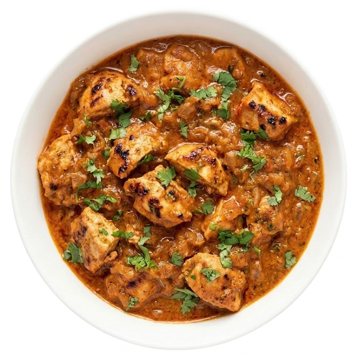
Murg Tikka Masala
Chicken Tikka Masala
Murg Tikka Masala is creamier, slightly sweeter, and tangier from yogurt, whereas this dish is sharper and more savoury from fresh green chillies and cheese.
  • Same: Both dishes feature chicken prepared with an onion and tomato base spiced with ginger, chilli powder, turmeric, and garam masala.
  • Different: Murg Tikka Masala is a stovetop curry made with garlic and yogurt-marinated grilled chicken, lacking the vermicelli, green chillies, ghee, and baked egg-and-cheese topping of this dish.
Acha Kozhi
Stuffed Chicken
Acha Kozhi is crisper and more peppery, lacking the tangy tomato acidity and melted cheese finish of this dish.
  • Same: Both dishes combine chicken and eggs with an aromatic base of onions, ginger, green chillies, turmeric, and chilli powder.
  • Different: Acha Kozhi is a whole stuffed chicken deep-fried in vegetable oil using garlic, black pepper, and curry leaves, whereas this dish is a casserole baked with vermicelli, tomatoes, cheese, ghee, and ground coriander.
Chicken Masala
Chicken Masala tastes more intensely buttery, savoury, and peppery, lacking the tangy tomato sweetness and mellow cheese elements of this dish.
  • Same: Chicken Masala shares chicken cooked with ghee, green chillies, chilli powder, ground turmeric, and ground coriander.
  • Different: Chicken Masala is poached and pan-crisped in heavy ghee with garlic and black peppercorns, entirely omitting the vermicelli, onions, tomatoes, vegetable oil, egg, and cheese used in this layered bake.
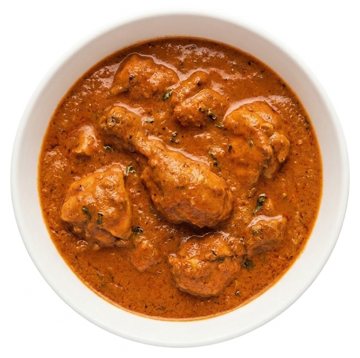
Butter Chicken
Butter Chicken is creamier, richer and milder than this dish, while this dish is more savoury, lemony and textured from vermicelli, egg and cheese.
  • Same: Butter Chicken shares a tomato-based chicken masala with chilli powder, turmeric, garam masala, ginger and green chilli with this dish.
  • Different: Butter Chicken lacks this dish's vermicelli, caraway, cheese, egg topping, pine nuts and layered bake, and it uses a yogurt marinade plus butter, cream, kasuri methi, lime juice and garlic paste.