Indian cooking
Indian cooking / Dishes / Chicken Masala
Chicken Masala (Chicken Masala)

Chicken Masala

Non-vegetarian●●●Origin PunjabPrep 30 minutes, plus marinating timeCook 35 minutes

Chicken pieces are steeped in an aromatic spice paste, gently poached until dry and tender, and then finished in ghee until crisp and golden brown.

Marinade spices

10 gBlended into the marinade paste (step 1)
01
0.4–0.5 g8–10 peppercorns
spice
02
3.6 g2 teaspoons
spice
03
2.6 g1 teaspoon
spice
04
3 g1 teaspoon
spice
Blend together with the fresh aromatics into a smooth paste.

Everything else

01
Chicken · Murghcut into 10–12 pieces and skinned
1200 g1 chicken
poultry
02
250 g
oil/fat
03
to taste
salt
04
Green chilli · Hari Mirchde-seeded and chopped
12 g2 chillies
vegetable
05
18–24 g6–8 cloves
aromatic

Method

  1. Place 12 g green chilli, 18–24 g garlic, and the marinade spices into a small processor or spice grinder, processing until completely integrated into a paste.
  2. Thoroughly coat 1200 g chicken in the paste, cover, and leave to rest in the fridge for roughly 2 hours.
  3. Add 125 ml water and salt to taste to a large, heavy pan and bring to a boil. Tip in the seasoned chicken and allow the liquid to return to a bubble.
  4. Drop the heat to low and cook gently for about 25 minutes, letting the liquid boil away entirely until the chicken is cooked through and dry.
  5. Warm 250 g ghee in a broad skillet over low heat. Transfer the chicken to the pan and shallow-fry for roughly 10 minutes until evenly browned and crisp.

Don't have something?

Chicken
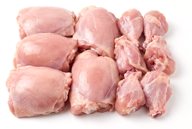
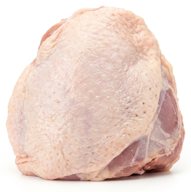
  • Turkey thigh

    Use 100% of the weight, cut into equivalent bone-in or boneless pieces. Simmer for an extra 5 to 10 minutes; flavour and texture are very similar.

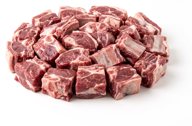
  • Lamb

    Use 100% of the weight. Cut into bite-sized pieces and extend simmering time by 35 to 50 minutes, adding extra liquid to allow the meat to tenderise.

Ghee
  • Unsalted butter

    Use 120% of the weight; melt gently over low heat to avoid burning the milk solids, which will yield a softer, creamier richness rather than a nutty aroma.

  • Vegetable oil

    Use 85% of the weight; holds high cooking temperatures without smoking, but the final dish will lack traditional dairy depth.

  • Mustard oil

    Use equal weight; heat to smoking point and cool slightly before cooking, bearing in mind it introduces an assertive, pungent edge.

Green chilli
  • Chilli powder

    Use 10 to 15% of the weight (about 1/4 teaspoon per chilli); imparts dry pungent heat and reddens the dish without the grassy crunch.

  • Dried red chilli

    Use 1 dried pod per fresh green chilli; snap in half and temper in hot oil for a deeper, toastier heat.

Garlic
  • Garlic paste

    Use equal weight. Fry gently in oil or ghee with the ginger; incorporates smoothly into curries without visible minced bits.

  • Garlic powder

    Use 15% to 20% of the weight (about 1 g for every 5 to 6 g fresh cloves). Whisk into sauces; gives a savoury, toasted garlic flavour without raw pungency.

  • Shallot

    Use 1.5 times the weight, very finely minced. Sauté until golden; provides savoury allium sweetness, though it lacks garlic's pungent sulphur bite.

Black peppercorn
  • Coarsely ground black pepper

    Use 75% of the weight. Add midway through simmering; spreads heat evenly through the dish instead of delivering isolated bursts.

  • Ground black pepper

    Use 50% of the weight. Stir in near the end of cooking; significantly darkens light gravies and provides an immediate, sharp bite.

Ground coriander
  • Coriander seeds

    Dry-roast lightly in a pan and grind to a fine powder; use equal weight (1:1). Offers a noticeably fresher, brighter citrus note.

  • Ground cumin

    Use 50% to 75% of the weight. Lacks the floral, citrusy profile of coriander and turns the gravy heavier, earthier, and darker.

  • Garam masala

    Use 50% of the weight and stir in near the end of cooking. Adds warmth and depth since it contains ground coriander, but introduces stronger spices like clove and cinnamon.

Chilli powder
  • Red chilli powder

    Use 100% of the weight. Provides direct, sharp heat and red colour in equal measure.

  • Kashmiri chilli powder

    Use 150% to 200% of the weight if matching colour, but add a pinch of black pepper or hot chilli if you need equivalent fiery heat.

  • Cayenne pepper

    Use 75% to 100% of the weight. Offers a sharp, clean heat with slightly less earthy depth and less crimson colour.

Ground turmeric
  • Ground ginger

    Use 50% of the weight. Mimics turmeric's warm, earthy, rhizome background, but provides none of the golden-yellow colour.

  • Saffron

    Steep a tiny pinch (0.1 g per 2 g turmeric) in 2 tbsp warm water; use to match the rich golden hue. Contributes an aristocratic, honeyed floral flavour rather than earthy bitterness.


Ground aniseed
  • Ground fennel seed

    Use the same weight; fennel is the closest everyday match, slightly sweeter and milder.

  • Aniseed

    Grind the same weight freshly; the aroma is stronger, so add it near the end.

  • Ground star anise

    Use about 50% of the weight; it is much more powerful and slightly liquorice-heavy.

Similar dishes

Sookhe Masale ka Murg
Dry Masala Chicken
It tastes sharper and more intensely garlicky and peppery without the earthy bitterness of turmeric.
  • Same: Sookhe Masale ka Murg shares the same base of chicken, garlic, green chillies, ground coriander, chilli powder, black pepper, and ghee, using the same technique of poaching before frying crisp.
  • Different: Sookhe Masale ka Murg omits the ground turmeric used in this dish and uses a higher proportion of aromatics and spices relative to its smaller quantity of chicken.
Cha Sha
Chicken
Cha Sha tastes lighter, milder, and more savoury from its onion-ginger broth, whereas this dish is much richer from ghee with sharper heat from black peppercorns and green chillies.
  • Same: Cha Sha uses the same quantity of chicken seasoned with garlic, ground turmeric, chilli powder, and salt.
  • Different: Cha Sha is braised into a brothy dish using vegetable oil, onions, and fresh ginger, omitting the heavy ghee, green chillies, coriander, and black peppercorns used to fry this dish dry.
Acha Kozhi
Stuffed Chicken
Acha Kozhi has a more pungent, herb-infused flavor from ginger and curry leaves balanced by sweet onions, while this dish tastes richer and more buttery from the ghee and coriander.
  • Same: Both dishes season chicken with garlic, green chillies, black pepper, turmeric, and chilli powder to achieve a crisp, browned finish.
  • Different: Acha Kozhi deep-fries a whole onion-stuffed chicken in vegetable oil with added ginger and curry leaves, whereas this dish poaches and crisps chicken pieces in ghee using ground coriander.
Thanda Qorma
Cold Chicken Korma
Thanda Qorma tastes milder and more whole-spice aromatic than this dish, with less chilli heat and a cool, ghee-coated finish instead of a crisp golden crust.
  • Same: Thanda Qorma shares chicken, ghee, green chilli, garlic, black peppercorn and salt with this dish, and both cook the chicken down until nearly dry.
  • Different: Thanda Qorma adds onion, ginger, clove, green cardamom and cinnamon, lacks this dish's turmeric, coriander, chilli powder and aniseed, uses far less ghee, and is chilled rather than finished crisp in ghee.