Indian cooking
Indian cooking / Dishes / Murg Tikka Masala
Murg Tikka Masala (Chicken Tikka Masala)

Murg Tikka Masala

Chicken Tikka Masala
Non-vegetarianPrep 30 minutes, plus marinating timeCook 40 minutes

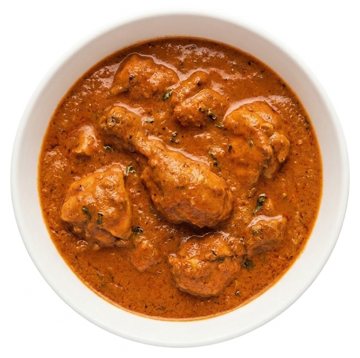
Tender pieces of marinated chicken are grilled until lightly charred and simmered in a luscious, spiced tomato and cream gravy. It offers a balanced profile of warming spices, gentle sweetness, and rich, savoury depth.

Marinade spices

7 gWhisked into the yoghurt marinade (step 1)
01
3.9 g1½ teaspoons
spice
02
2.7 g1½ teaspoons
spice
03
0.8 g¼ teaspoon
spice
Stir together; they go straight into the marinade bowl.

Sauce spices

8 gStirred into the softened aromatics (step 4)
Keep blended; they go into the hot pan together.

Everything else

02
54 g4 tablespoons
oil/fat
03
to taste
vegetable
04
6 g2 cloves
aromatic
05
Ginger · Adrakpeeled and chopped
12 g1 piece
aromatic
06
to taste
vegetable
07
4.2 g1 teaspoon
sweetener
08
248 g250 ml
dairy
09
6 g1 tablespoon
nut/seed
10
to taste
salt
11
233 g225 ml
dairy
12
6 g2 cloves
aromatic
13
Ginger · Adrakfinely grated
8 g1 tablespoon
aromatic
14
31 g2 tablespoons
vegetable
15
to taste
salt
17
to taste
fruit

Method

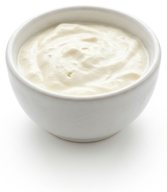
  1. In a wide bowl, combine 233 g yogurt, 6 g garlic, 7.5 g ginger, and the marinade spices, seasoning with salt and freshly ground pepper. Cut shallow slits across 1200 g chicken, coat thoroughly in the mixture, and leave to marinate in the fridge overnight.
  2. Heat the grill with a rack set about 23 cm (9 inches) below the element. Take the chicken out of the marinade, wiping away most of the excess, season lightly with salt and freshly ground pepper, and arrange on a baking tray. Grill for approximately 10 minutes, turning once or twice until cooked through and mottled with char marks, then rest on a board and dice into 5 cm (2-inch) chunks.
  3. Warm 54 g vegetable oil in a large heavy casserole over medium heat until shimmering. Add the onion, 6 g garlic, and 12 g ginger, frying for around 8 minutes with occasional stirring until soft and lightly golden.
  4. Add the sauce spices and stir constantly for 1 minute to bloom their flavours. Tip in the tomato along with 4.2 g granulated sugar, season with salt and freshly ground pepper, then simmer partially covered over medium heat for roughly 20 minutes until the gravy starts to thicken.
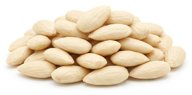
  5. Stir in 250 g cream and 1 tablespoon ground almonds, continuing to cook over low heat for 10 minutes until rich and reduced. Add the cut chicken and simmer gently for 10 minutes, stirring regularly until thoroughly hot. Scatter with coriander leaf and serve with lime wedges.

Don't have something?

Skinless boneless chicken breast
  • Boneless chicken breast

    Use the same weight; it is the same cut without the skin, so cook exactly as directed.

  • Skinless boneless chicken

    Use the same weight; cut to the same size and cook as directed. It may include mixed white and dark meat, so it stays juicier.

  • Boneless chicken thigh

    Use the same weight; it is juicier and needs 3–5 minutes longer simmering. Reduce oil slightly if the sauce looks fatty.

Black pepper
  • Black peppercorn

    Use the same weight and crush or grind as the recipe needs; whole peppercorn is the same spice.

  • Ground black pepper

    Use the same weight; add nearer the end if the recipe calls for whole pepper, as ground loses aroma faster.

  • Ground white pepper

    Use about 75–80% of the weight; it is milder and earthier, with less bite.

Vegetable oil
  • Peanut oil

    Use 1:1 by weight. Handles high-heat frying identically and introduces a very subtle, pleasant nuttiness.

  • Ghee

    Use 1:1 by weight. Yields a much richer, authentic aroma and a glossy, heavier mouthfeel.

  • Mustard oil

    Use 1:1 by weight. Heat until smoking, then cool slightly before cooking to temper its intensely pungent, sharp mustard kick.

Onion
  • Shallot

    Use equal weight, finely sliced. Shallots soften and brown faster, giving a slightly sweeter and more delicate base to curries.

  • Cabbage

    Use 80% of the weight, finely shredded and browned slowly with a pinch of asafoetida. Replicates the bulk and natural sweetness in gravies without allium.

Garlic
  • Garlic paste

    Use equal weight. Fry gently in oil or ghee with the ginger; incorporates smoothly into curries without visible minced bits.

  • Garlic powder

    Use 15% to 20% of the weight (about 1 g for every 5 to 6 g fresh cloves). Whisk into sauces; gives a savoury, toasted garlic flavour without raw pungency.

  • Shallot

    Use 1.5 times the weight, very finely minced. Sauté until golden; provides savoury allium sweetness, though it lacks garlic's pungent sulphur bite.

Ginger
  • Fresh ginger

    Use equal weight; scrape off the skin and grate or finely julienne according to the recipe.

  • Ginger paste

    Use equal weight; stir straight into the sizzling aromatics, taking care as the extra moisture may spit.

  • Ground ginger

    Use 15 to 20% of the weight; add alongside ground spices, noting it imparts warm, dry heat rather than zesty freshness.

Garam masala
  • Ground cumin

    Use 50% of the weight mixed with equal parts ground coriander and a pinch of ground cinnamon, ground cloves, and ground green cardamom. Sprinkle near the end for a warming finish.

  • Lentil stew spice mix

    Use 75% of the weight. Simmer briefly in the gravy; imparts roasted warmth and complexity, though it adds a slight tang and earthy lentil undertone.

Chilli powder
  • Red chilli powder

    Use 100% of the weight. Provides direct, sharp heat and red colour in equal measure.

  • Kashmiri chilli powder

    Use 150% to 200% of the weight if matching colour, but add a pinch of black pepper or hot chilli if you need equivalent fiery heat.

  • Cayenne pepper

    Use 75% to 100% of the weight. Offers a sharp, clean heat with slightly less earthy depth and less crimson colour.

Cayenne pepper
  • Red chilli powder

    Use 70–75% of the weight; Indian chilli powders vary, so taste as you go. It gives similar heat but less clean brightness.

  • Kashmiri red chilli powder

    Use up to twice the weight for colour, but expect much less heat. Add a little ordinary chilli powder if heat matters.

  • Paprika

    Use 1.5–2 times the weight; it is mild and sweet. The dish will be redder but much less hot.

Tomato
  • Tomato purée

    Use 40% to 50% of the fresh tomato weight mixed with a splash of water. Imparts a deeper red colour, thicker sauce, and slightly sweeter cooked flavour.

  • Plain yogurt

    Use 60% of the weight, whisked smooth and added on low heat. Provides rich body and sourness, though the gravy becomes paler and creamier.

Granulated sugar
  • Jaggery

    Use equal weight; grate or shave finely so it dissolves rapidly, giving a warm, caramel-like sweetness and slightly darker sauce.

Cream
  • Double cream

    Use the same weight. Richer and thickens well; do not boil hard or it may split.

  • Single cream

    Use the same weight. Thinner; reduce other liquid or simmer the sauce to thicken.

  • Full cream milk

    Use 80% of the weight. No thickening; simmer to reduce and add a little ghee for richness.

Ground almond
  • Blanched almond

    Grind to the same weight; gives the closest texture and colour.

  • Almond

    Grind to the same weight; skins darken the mixture and add a slight bitterness.

  • Cashew nut

    Grind to the same weight; softer and sweeter, good for thickening but less almond flavour.

Yogurt
  • Plain yogurt

    Use 100% of the weight. Whisk thoroughly until smooth before stirring into warm gravies to prevent curdling.

  • Single cream

    Use 90% of the weight combined with 10% lemon juice to replicate the lactic tang and rich body in marinades and curries.

Ground cumin
  • Cumin seed

    Dry-roast briefly and grind finely; use equal weight (1:1). Imparts an even punchier, nuttier, toasty aroma than pre-ground cumin.

  • Ground coriander

    Use equal weight (1:1). Adds mild, lemony sweetness rather than cumin's smoky, earthy bite; curries will taste lighter and less savoury.

  • Black cumin seeds

    Grind finely; use 60% to 75% of the weight. Produces a darker, more complex, smoky-herbal flavour suited to rich gravies.

Ground coriander
  • Coriander seeds

    Dry-roast lightly in a pan and grind to a fine powder; use equal weight (1:1). Offers a noticeably fresher, brighter citrus note.

  • Ground cumin

    Use 50% to 75% of the weight. Lacks the floral, citrusy profile of coriander and turns the gravy heavier, earthier, and darker.

  • Garam masala

    Use 50% of the weight and stir in near the end of cooking. Adds warmth and depth since it contains ground coriander, but introduces stronger spices like clove and cinnamon.

Ground cardamom
  • Cardamom seed

    Grind the same weight; remove the pods first for a cleaner, stronger powder.

  • Green cardamom pod seed

    Grind the same weight of the seeds from green pods; discard the husks for the best flavour.

  • Ground green cardamom

    Use the same weight; it is the same spice and works directly.

Ground turmeric
  • Ground ginger

    Use 50% of the weight. Mimics turmeric's warm, earthy, rhizome background, but provides none of the golden-yellow colour.

  • Saffron

    Steep a tiny pinch (0.1 g per 2 g turmeric) in 2 tbsp warm water; use to match the rich golden hue. Contributes an aristocratic, honeyed floral flavour rather than earthy bitterness.


Ground black pepper
  • Black peppercorn

    Use 1:1 by weight; pulverise in a spice mill or mortar to a fine powder for immediate, punchy heat.

  • Coarsely ground black pepper

    Use equal weight; offers the same bite, though it gives a visibly speckled finish and firmer crunch.

Tomato purée
  • Tomato

    Use 200% to 250% of the weight. Finely grate or blend fresh tomatoes, then cook them down until the moisture evaporates and the oil separates.

Coriander leaf
  • Coriander

    Use equal weight finely chopped; this is the exact same fresh herb.

  • Mint

    Use half the weight finely chopped; provides vibrant green freshness, though the flavour profile becomes noticeably cooler and sharper.

Lime
  • Lemon

    Use the same weight; sharper and less floral, so reduce any extra souring slightly.

  • Lemon juice

    Use about 30 g juice per lime (2 tbsp), strain pips; add at the end for fresh sourness.

  • Dried mango powder

    Use 1 g amchoor for about 15 g lime juice; add early with spices; gives dry mango sourness, not citrus aroma.

Similar dishes

Butter Chicken
Butter Chicken tastes richer, creamier, and more buttery with an herbal note from fenugreek, lacking the charred and onion-sweet profile of this dish.
  • Same: Butter Chicken shares a base of yogurt-marinated chicken cooked in a tomato gravy seasoned with ginger, garlic, garam masala, cumin, and coriander.
  • Different: Butter Chicken adds butter, cream, lime juice, and kasuri methi, omits onions and sugar, and slow-cooks the chicken instead of grilling it.
Acha Kozhi
Stuffed Chicken
Acha Kozhi tastes crisp, fried, and savoury, with green chilli heat, curry leaf aroma, and an egg-and-onion stuffing. This dish tastes creamy and tomato-rich, with gentle sweetness and warming spices.
  • Same: Acha Kozhi shares chicken, vegetable oil, onion, ginger, garlic, chilli powder, and salt with this dish. Both are spiced Indian chicken preparations built on onion, ginger, and garlic.
  • Different: Acha Kozhi uses a whole chicken stuffed with hard-boiled eggs and spiced onions, then coated in a herb and chilli paste and deep-fried. This dish uses boneless chicken breast marinated in yogurt and grilled, then simmered in a tomato, cream, and ground almond gravy with sugar and lime; Acha Kozhi has no yogurt, cream, tomato, ground almonds, sugar, or lime.
Punjabi Handi Murgh
Chicken Curry with Cardamom, Ginger, Fried Onions and Garam Masala
Punjabi Handi Murgh tastes more onion-rich, cardamom-forward and ghee-rich than this dish, which is creamier, sweeter and more tangy.
  • Same: Punjabi Handi Murgh shares with this dish chicken, onion, tomato, garlic, ginger, garam masala, chilli, coriander leaf and salt in a spiced curry gravy.
  • Different: Punjabi Handi Murgh uses bone-in chicken, ghee, black and green cardamom pods and a large onion base, while this dish uses grilled boneless chicken breast, yogurt, cream, ground almond, sugar and lime.
Qabali Seviyan
Vermicelli & Masala Chicken
Qabali Seviyan is punchier and spicier with fresh green chillies and rich cheese, lacking the sweet, creamy tang provided by the yogurt and sugar in this dish.
  • Same: Both dishes build their chicken and tomato base with ginger, chilli powder, ground coriander, turmeric, and garam masala.
  • Different: Qabali Seviyan is baked with vermicelli, ghee, green chillies, egg, and cheese, whereas this dish uses a yogurt marinade with cumin and garlic to create a stovetop curry.