
Musallam Raan
A lavish, whole leg of lamb tenderised and gently braised in a rich yoghurt gravy enriched with fried onions, nuts, saffron, and sweet spices. The meat emerges melt-in-the-mouth succulent, coated in a deeply aromatic, velvety sauce.
tenderising spice
2.6 gRubbed over the pierced meat with the papaya in step 1marinade aromatics
63 gStirred into the yoghurt marinade base in step 4ground aromatic spices
11 gDusted over the marinated meat in step 4Everything else

Method
- Lay 1000 g trimmed leg of lamb in a broad dish and pierce the meat repeatedly with a fork. Rub 100 g raw papaya paste, the tenderising spice, and a light sprinkling of salt across the entire surface. Cover and leave to chill in the refrigerator for 3 to 4 hours, or overnight for best results.
- Warm 2 tablespoons ghee or oil in a heavy saucepan set over medium heat. Add 600 g sliced onion and sauté for 5 to 7 minutes until evenly browned and golden. Transfer the onions to a blender, splash in a little water, and purée until smooth.
- Place a dry skillet over low heat and gently toast 200 g cashew nuts and 50 g poppy seed paste for roughly 1 minute. Add 25 g chironji kernels and warm through for a few seconds. Tip into a small food processor along with 1 tablespoon desiccated coconut and blitz with a splash of water into a thick paste.
- In a wide bowl, whisk together 254 g plain yogurt, 1 tablespoon roasted chickpea flour, the blended onion purée, the toasted nut paste, the marinade aromatics, and salt to taste. Thoroughly coat the lamb in this mixture and let it rest for another 2 hours, then sprinkle the ground aromatic spices all over and rub them into the surface.
- Set a broad, flat-bottomed pan over medium heat with a film of oil or ghee. Add the spiced leg of lamb along with all of the marinade, cover tightly, and cook for approximately 30 minutes until the meat is cooked through and tender.
- Lift off the heat and present the lamb dressed with 3 sheets of edible silver leaf and 1 tablespoon finely chopped almonds.
Don't have something?
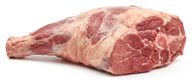
 Leg of spring lamb
Use the same weight; younger and tenderer, so reduce cooking by 10–15 minutes.
 Lamb shoulder
Use the same weight; more fat, so cook 15–20 minutes longer and skim excess fat.
 Leg of goat
Use the same weight; stronger flavour and tougher, so cook 15–20 minutes longer.


 Green papaya paste
Use the same weight; blend peeled green papaya. Very close, but may be slightly weaker as a tenderiser.
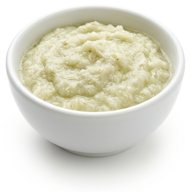 Unripe papaya paste
Use the same weight; blend peeled unripe papaya. Similar, with a little more sweetness.
 Raw papaya
Use the same weight; peel, deseed and blend to a paste. Fresher and stronger than a stale paste.


 Red chilli powder
Use 100% of the weight. Provides direct, sharp heat and red colour in equal measure.
 Kashmiri chilli powder
Use 150% to 200% of the weight if matching colour, but add a pinch of black pepper or hot chilli if you need equivalent fiery heat.
 Cayenne pepper
Use 75% to 100% of the weight. Offers a sharp, clean heat with slightly less earthy depth and less crimson colour.


 Peanut oil
Use equal weight; handles high tempering heat well and keeps flavours neutral.
 Butter
Use equal weight; cook over gentle heat to prevent browning the milk solids too quickly.






 Almond
Use 100% of the weight. Soak in boiling water and slip off skins before frying or grinding; gives a lighter, slightly less sweet richness to curries.
 Poppy seed
Use 60% of the weight for gravies. Soak in warm water and grind into a fine paste to thicken royal kormas without adding heavy oiliness.
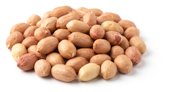 Shelled peanut
Use 100% of the weight. Roast, skin, and grind; creates a thicker, earthier texture typical of Maharashtrian and western Indian curries.


- Poppy seed
Grind the same weight of seeds with a little water to a smooth paste; soak first for easier grinding.
 White poppy seeds
Use the same weight, soaked and ground; they give a milder colour and similar thickening.
 Cashew nut paste
Use about 70% of the weight; it thickens and enriches similarly but tastes sweeter and less nutty.


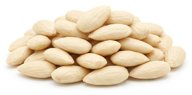 Blanched almond
Use the same weight, soak 20 minutes and use whole or grind; slightly sweeter and less bitter.
- Cashew nut
Use the same weight, soak 20 minutes; creamier and milder than chironji.
 Pistachio
Use the same weight, blanch and peel; stronger in flavour, so use slightly less if you want subtlety.


 Grated desiccated coconut
Use equal weight directly; it is the identical ingredient under a different label.
 Fresh coconut
Grate finely and use 130% to 140% of the weight to compensate for higher moisture; toast gently in a dry pan over low heat if a dry texture is needed.
 Dried coconut
Grate finely using a microplane and use equal weight. Offers a slightly oilier, toastier coconut profile.


 Fresh ginger
Use equal weight; peel and grate very finely on a microplane or pound to a fine paste in a mortar.
 Ginger
Use equal weight; mince finely and crush with the flat of a knife before frying.
 Ground ginger
Use 20% of the weight; add directly with the dry spice powders, though it yields an earthier, less pungent profile.


 Garlic
Use equal weight; crush or finely grate to a smooth pulp to replicate the same fresh, pungent moisture in your base gravy.
 Garlic powder
Use 20 to 25% of the weight; mix with a teaspoon of water before adding to oil so it does not burn, noting it lacks the fresh bite.


 Yogurt
Use equal weight, whisked thoroughly until smooth before adding to hot dishes to prevent curdling.
 Coconut milk
Use equal weight with 1 teaspoon lemon juice mixed in. Provides rich creaminess in curries, but adds a noticeable coconut flavour.
 Single cream
Use 80% of the weight plus a squeeze of lemon juice for acidity. Enriches sauces nicely, though it is richer and less tangy.


 Ground turmeric
Use 15% of the saffron's weight. Replicates the bright yellow colour well, but lacks the floral, earthy depth; use sparingly to avoid bitterness.
 Screwpine water or rosewater
Use a few drops combined with a tiny pinch of ground turmeric to mimic both the regal floral aroma and the golden hue.


 Yellow split pea flour
Use 100% of the weight. Many commercial gram flours are milled from split peas; performs identically in pakora batters and kadhi.
 Cornstarch
For crisping batters or binding cutlets: use 50% to 60% of the weight. Produces a very crisp shell but lacks the earthy, roasted nutty flavour of besan.


 Green cardamom seed
Use 35 to 40% of the total pod weight; lightly bruise the seeds before frying in oil to release their essential oils.
 Ground green cardamom
Use 20 to 25% of the pod weight (about 1 generous pinch per pod); stir in toward the end of cooking so the delicate floral notes do not dissipate.
 White cardamom pod
Use 1:1 by pod count or weight; crack gently before using, though it is slightly less intensely floral.


 Ground black cardamom
Use 0.5 g of ground seeds for each whole pod. Stir directly into the curry base; delivers identical smoky flavour without woody husks.
- Green cardamom pod
Use equal pod count or weight. Crack slightly and fry whole; tastes sweet, menthol-fresh, and floral rather than dark and smoky.


 Coarsely ground black pepper
Use 75% of the weight. Add midway through simmering; spreads heat evenly through the dish instead of delivering isolated bursts.
 Ground black pepper
Use 50% of the weight. Stir in near the end of cooking; significantly darkens light gravies and provides an immediate, sharp bite.


 Ground cloves
Use 1 g ground for 4 g whole (or 1 small pinch per 2 to 3 whole cloves). Add with spice powders; disperses intense warmth quickly, so use with restraint.
 Allspice berries
Use 100% of the weight whole in tempering. Imparts a warm, clove-like aromatic profile combined with hints of nutmeg and cinnamon.
- Black cardamom pod
Use 1 pod for 3 to 4 cloves in whole tempering. Shares a camphor-like warmth and medicinal depth, though it introduces a distinct smoky undertone.


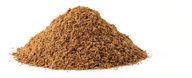 Ground nutmeg
Use equal weight, or roughly 1/2 teaspoon for half a whole nutmeg. Stir in near the end of cooking as pre-ground loses aroma quickly.
 Mace blade
Use about 70% of the weight, finely ground. Mace comes from the same fruit and provides a very similar but slightly lighter, more floral warmth.
 Ground mace
Use equal weight. Delivers a slightly sharper, more delicate sweetness to rich kormas and biryanis.


- Ground mace
Use 0.5 g ground mace for 1 g mace blade; add towards the end of frying spices as ground powder burns much quicker than whole blades.
- Nutmeg
Grate finely, using 50% of the weight; sweeter, deeper, and slightly heavier in aroma than delicate mace.
- Ground nutmeg
Use 40% of the weight; stir in gently with ground spices, avoiding high direct heat to prevent bitterness.


 Edible gold leaf
Use the same amount to cover the same surface. Purely decorative; only the colour changes.
 Silver leaf
Use the same amount if it is food-grade. Same decorative effect.


- Cashew nut
Use equal weight. Soak in warm water and grind to a paste or fry identically; yields a slightly creamier and sweeter sauce.
- Shelled peanut
Use equal weight. Lightly roast, skin, and grind; introduces a heavier body and a pronounced roasted-nut aroma.
Similar dishes

- Same: Akha Peenda and this dish both slow-braise a whole leg of lamb with ginger paste, garlic paste, chilli powder, green cardamom, black cardamom, clove, and black peppercorn.
- Different: Akha Peenda uses 2000 g lamb, mustard oil plus vegetable oil, rum, white malt vinegar, amchoor, kasoori methi, black cumin, bay leaf, and black rock salt, then finishes over high heat for a crisp exterior, while this dish uses 1000 g lamb, ghee or vegetable oil, yogurt, cashew, poppy seed, chironji, coconut, saffron, papaya paste, chickpea flour, almond, and silver leaf in a rich braised gravy.

- Same: Nargisi Kofte shares with this dish yogurt gravy, onion, ginger-garlic paste, poppy seed paste, chickpea flour, ghee or oil, black cardamom, clove and black peppercorn.
- Different: Nargisi Kofte uses minced lamb and hard-boiled eggs formed into koftas, adds cumin, dried red chilli and kewra water, and lacks this dish's whole leg of lamb, raw papaya, cashew, chironji, saffron, mace, nutmeg, coconut and silver leaf.

- Same: Both braise lamb with saffron, onions, ginger, garlic, cloves, and green cardamom.
- Different: Kundan Kaliya uses cut pieces of lamb enriched with cream, milk, ghee, turmeric, coriander, cinnamon, and mace, lacking this dish's whole leg cut, yoghurt, poppy seeds, chickpea flour, black cardamom, and nutmeg.

- Same: Nahari shares slow-cooked lamb, yogurt, onion, ginger-garlic paste, chickpea flour, chilli powder, black cardamom, clove and black pepper with this dish.
- Different: Nahari uses mustard oil, lamb stock, cinnamon, turmeric and ground coriander, and it lacks this dish's nuts, saffron, papaya paste, poppy seed, chironji, coconut, almond and silver leaf; it is a stock-based stew rather than a whole leg braised in a nut-enriched onion-yogurt gravy.