Indian cooking
Indian cooking / Dishes / Nargisi Kofte
Nargisi Kofte ('Iris' Kofta)

Nargisi Kofte

'Iris' Kofta
Non-vegetarian●●●Origin AwadhPrep 45 minutesCook 30 minutes

Spiced minced meat encapsulates hard-boiled eggs to make crisp, golden koftas, which are briefly simmered in a fragrant, gently spiced gravy. The dish is rich, savoury, and delicately perfumed with kewra water.

Kofta spices

74 gBlended with the browned onions and yogurt (step 2)
03
6 g1 tablespoon
spice
04
5–6 g5–6 chillies
spice
Keep together to puree into the paste.

Whole spices for the sauce

16 gSizzled in the warm ghee (step 4)
01
15–19 g8–10 pods
spice
02
0.4–0.6 g6–8 cloves
spice
Leave whole to temper the cooking fat.

Everything else

01
250 g
vegetable
02
Ghee or vegetable oil · Ghee ya telplus extra for deep-frying
250 g
oil/fat
03
406 g400 ml
dairy
05
400 g8 eggs
egg
06
30 g2 tablespoons
liquid
07
to taste
salt
08
125 g
flour

Method

  1. Divide 250 g onion in half. Thinly slice one portion and blitz the other half in a food processor into a fine raw paste, keeping both separate.
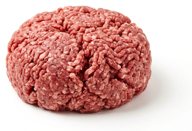
  2. Warm 2 tablespoons of the 250 g ghee or vegetable oil in a skillet over medium flame. Sauté the sliced onions for 5 to 7 minutes until deeply golden. Transfer them to a blender alongside the kofta spices, 2 teaspoon poppy seed paste (pisi khas khas), and 406 g plain yogurt, processing until smooth. Pour into a mixing bowl, thoroughly blend in the raw onion paste, 500 g minced lamb, and salt to taste, then partition the mixture into 8 equal portions.
  3. Mould one portion of the seasoned mince tightly around each of the 8 peeled hard-boiled eggs, smoothing the exterior to encase them completely.
  4. Heat sufficient ghee or vegetable oil for deep-frying in a heavy-bottomed pan or kadhai to 180°C (350°F), verifying the temperature when a bread cube turns brown in 30 seconds. Submerge the koftas in 2 batches, frying for 2 to 3 minutes until cooked through with a crisp, dark golden crust. Drain on paper towels, then slice each egg in half lengthwise.
  5. In a fresh pan over medium heat, warm the remainder of the 250 g ghee or vegetable oil. Toss in the whole spices for the sauce, 125 g roasted chickpea flour, and salt to taste, cooking for a few minutes until the fat separates from the gravy.
  6. Lay the halved koftas gently into the simmering sauce, cook for 5 minutes, and finish by drizzling over 2 tablespoon kewra water right before taking off the heat.

Don't have something?

Onion
  • Shallot

    Use equal weight, finely sliced. Shallots soften and brown faster, giving a slightly sweeter and more delicate base to curries.

  • Cabbage

    Use 80% of the weight, finely shredded and browned slowly with a pinch of asafoetida. Replicates the bulk and natural sweetness in gravies without allium.

Ghee or vegetable oil
  • Peanut oil

    Use equal weight; handles high tempering heat well and keeps flavours neutral.

  • Butter

    Use equal weight; cook over gentle heat to prevent browning the milk solids too quickly.

Poppy seed paste
  • Poppy seed

    Grind the same weight of seeds with a little water to a smooth paste; soak first for easier grinding.

  • White poppy seeds

    Use the same weight, soaked and ground; they give a milder colour and similar thickening.

  • Cashew nut paste

    Use about 70% of the weight; it thickens and enriches similarly but tastes sweeter and less nutty.

Ginger paste
  • Fresh ginger

    Use equal weight; peel and grate very finely on a microplane or pound to a fine paste in a mortar.

  • Ginger

    Use equal weight; mince finely and crush with the flat of a knife before frying.

  • Ground ginger

    Use 20% of the weight; add directly with the dry spice powders, though it yields an earthier, less pungent profile.

Garlic paste
  • Garlic

    Use equal weight; crush or finely grate to a smooth pulp to replicate the same fresh, pungent moisture in your base gravy.

  • Garlic powder

    Use 20 to 25% of the weight; mix with a teaspoon of water before adding to oil so it does not burn, noting it lacks the fresh bite.

Cumin seed
  • Ground cumin

    Use 70% of the weight; add with ground spices or sauce bases rather than hot oil tempering, where it scorches quickly and turns bitter.

  • Black cumin seeds

    Use equal weight for oil tempering. Delivers an earthy profile with an additional musky, smoky, and slightly bitter edge.

  • Fennel seed

    Use 60% of the weight for tempering; offers comparable warm aroma, but leans sweet and liquorice-like rather than savoury and earthy.

Dried red chilli
  • Dried kashmiri chilli

    Use equal weight whole. Fry in hot oil or ghee as tempered spice; gives a richer red colour with slightly milder heat.

  • Red chilli powder

    Use 50% to 70% of the weight. Stir into the oil with ground spices; distributes heat evenly throughout the dish without whole chilli skins.

Plain yogurt
  • Yogurt

    Use equal weight, whisked thoroughly until smooth before adding to hot dishes to prevent curdling.

  • Coconut milk

    Use equal weight with 1 teaspoon lemon juice mixed in. Provides rich creaminess in curries, but adds a noticeable coconut flavour.

  • Single cream

    Use 80% of the weight plus a squeeze of lemon juice for acidity. Enriches sauces nicely, though it is richer and less tangy.

Minced lamb
  • Ground lamb

    Use the same weight; it is the same thing under another name and cooks identically.

  • Minced chicken

    Use the same weight; it is leaner, so add 1 tbsp oil and cook 3–4 minutes less.

  • Boneless lamb

    Mince at home; use the same weight. Keep some fat for juiciness and cook until browned.

Hard-boiled egg
  • Egg

    Use the same weight, about 50 g per egg. Boil 9–10 minutes, cool and peel; exact substitute.

  • Boiled egg white

    Use the same weight. Leaner and less rich; mash with a little oil or yolk if the dish needs richness.

  • Tofu

    Use the same weight; press and cube. No egg flavour, so add 5 minutes before the end and adjust salt.

Kewra water
  • Rosewater

    Use 75-100% of the weight, added off the heat. Floral but rose-scented, not screwpine.

  • Rose syrup

    Use 50-60% of the weight and reduce sugar by about the same amount. Sweet and pink-rose flavoured.

  • Saffron thread

    Steep 2-3 threads in 10 ml warm milk for every 10 g kewra water. Different, richer aroma.

Chickpea flour
  • Yellow split pea flour

    Use 100% of the weight. Many commercial gram flours are milled from split peas; performs identically in pakora batters and kadhi.

  • Cornstarch

    For crisping batters or binding cutlets: use 50% to 60% of the weight. Produces a very crisp shell but lacks the earthy, roasted nutty flavour of besan.

Black cardamom pod
  • Ground black cardamom

    Use 0.5 g of ground seeds for each whole pod. Stir directly into the curry base; delivers identical smoky flavour without woody husks.

  • Green cardamom pod

    Use equal pod count or weight. Crack slightly and fry whole; tastes sweet, menthol-fresh, and floral rather than dark and smoky.

Clove
  • Ground cloves

    Use 1 g ground for 4 g whole (or 1 small pinch per 2 to 3 whole cloves). Add with spice powders; disperses intense warmth quickly, so use with restraint.

  • Allspice berries

    Use 100% of the weight whole in tempering. Imparts a warm, clove-like aromatic profile combined with hints of nutmeg and cinnamon.


  • Black cardamom pod

    Use 1 pod for 3 to 4 cloves in whole tempering. Shares a camphor-like warmth and medicinal depth, though it introduces a distinct smoky undertone.

Black peppercorn
  • Coarsely ground black pepper

    Use 75% of the weight. Add midway through simmering; spreads heat evenly through the dish instead of delivering isolated bursts.

  • Ground black pepper

    Use 50% of the weight. Stir in near the end of cooking; significantly darkens light gravies and provides an immediate, sharp bite.

Similar dishes

Musallam Raan
Slow-cooked Aromatic Leg of Lamb
Musallam Raan is sweeter and more warmly spiced from the saffron and nutmeg, lacking the earthy cumin notes and kewra floral finish of this dish.
  • Same: Musallam Raan shares with this dish a rich gravy built on plain yogurt, poppy seed paste, ginger, garlic, cloves, and black cardamom.
  • Different: Musallam Raan slow-braises a whole leg of lamb instead of frying egg-stuffed minced meat koftas, and it incorporates saffron, nutmeg, and green cardamom while omitting cumin seeds.
Maas Banjara
Gypsy Meat
Maas Banjara tastes sharper and more aggressively spicy from the concentrated chillies and fresh ginger, lacking the floral kewra notes and nutty poppy seed richness of this dish.
  • Same: Both dishes base their gravies on equal amounts of yogurt cooked down with ghee, onions, garlic, ginger, dried red chillies, and black cardamom.
  • Different: Maas Banjara simmers bone-in or chunked lamb directly with extra sliced ginger and chillies instead of wrapping hard-boiled eggs in minced meat bound with chickpea flour, and it omits cumin, cloves, and poppy seeds.
Nahari
Morning Delight
Nahari has a more pungent, warming, and peppery flavour from mustard oil and dry spices, while this dish is milder and noticeably tangier from a much higher proportion of yogurt.
  • Same: Nahari also pairs meat with an onion, ginger, garlic, and yogurt gravy thickened with chickpea flour and spiced with cloves and black cardamom.
  • Different: Nahari is a slow-cooked lamb stew made with mustard oil, turmeric, cinnamon, and black pepper, whereas this dish uses fried egg-stuffed minced meat koftas cooked in ghee or vegetable oil with poppy seeds and cumin.
Kaleji Masala
Spicy Liver
Kaleji Masala tastes tart, chilli-hot and dryly robust from vinegar and green chilli, while this dish tastes rich, savoury and delicately perfumed.
  • Same: Kaleji Masala shares ghee, onion, ginger paste, garlic paste, cumin seed, black peppercorn and salt with this dish.
  • Different: Kaleji Masala uses liver, tomatoes, green chilli and white malt vinegar and is poached, marinated and fried dry, while this dish uses minced lamb, hard-boiled eggs, chickpea flour, yogurt, poppy seed paste and kewra water and is formed into koftas and simmered in gravy.