
Akha Peenda
A whole spiced leg of lamb, slow-braised in an aromatic broth with mustard oil until tender, then finished over high heat for a crisp exterior and dusted with a sharp, tangy spice blend.
Studding spices
6 gPushed into incisions in the lamb (step 1)Marinade spices
73 gWhisked into the marinade (step 2)Roasting spices
11 gScattered into the braising pan (step 3)Finishing spice mix
16 gCombined to sprinkle over the carved lamb (step 5)Everything else


Method
- Prick 1 trimmed leg of lamb repeatedly with a fork, wash it, and pat completely dry. Use a skewer to insert the studding spices (0.8 g clove and 5.2 g cinnamon stick), 36 g garlic, and 24 peppercorns into deep slits across the meat. Transfer to a wide dish, cover, and rest in the fridge for 30 minutes.
- In a bowl, combine the marinade spices (7.8 g chilli powder, 46.8 g ginger paste, and 18.2 g garlic paste) with 60 g white malt vinegar, 6 tablespoons water, and salt to taste. Smear the paste evenly across the entire surface of the lamb, cover, and refrigerate for 1 hour.
- Preheat the oven to 150°C (300°F). Lay the lamb in a deep roasting tray, distribute the roasting spices (0.9 g green cardamom pod, 3.8 g black cardamom pod, 2.6 g cinnamon stick, 1 g bay leaf, 0.6 g black peppercorn, and 2 g black cumin seeds) around it, pour over 27 g mustard oil, and pour in enough water to submerge the meat. Crimp aluminium foil tightly across the tray, pierce two steam holes on top, and bake for 2½ hours.
- Take the pan out of the oven, lift out the lamb, and rub a light coating of mustard oil all over the meat.
- For the finishing spice mix, stir together 13 g amchoor, 2.3 g ground black pepper, 1.2 g ground black cardamom, 1.5 teaspoons ground cumin, and 0.5 teaspoon black rock salt in a small bowl.
- Brown the lamb using either a barbecue or the oven. If grilling, set up a barbecue for indirect medium heat, run a heavy metal skewer lengthwise along the bone, place the lamb on the grate, cover, and grill for 10 minutes; flip, baste with vegetable oil, cover, and cook for another 10 minutes. If using the oven, raise the temperature to 200°C (400°F), set the meat in a lightly oiled roasting tin, and roast for 30 minutes, basting periodically with vegetable oil.
- Let the roast rest for a few minutes, carve into portions, and dust with the finishing spice mix before serving.
Don't have something?
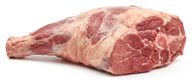
 Leg of spring lamb
Use the same weight; younger and tenderer, so reduce cooking by 10–15 minutes.
 Lamb shoulder
Use the same weight; more fat, so cook 15–20 minutes longer and skim excess fat.
 Leg of goat
Use the same weight; stronger flavour and tougher, so cook 15–20 minutes longer.


 Peanut oil
Use 1:1 by weight. Handles high-heat frying identically and introduces a very subtle, pleasant nuttiness.
 Ghee
Use 1:1 by weight. Yields a much richer, authentic aroma and a glossy, heavier mouthfeel.
 Mustard oil
Use 1:1 by weight. Heat until smoking, then cool slightly before cooking to temper its intensely pungent, sharp mustard kick.


 Ground cloves
Use 1 g ground for 4 g whole (or 1 small pinch per 2 to 3 whole cloves). Add with spice powders; disperses intense warmth quickly, so use with restraint.
 Allspice berries
Use 100% of the weight whole in tempering. Imparts a warm, clove-like aromatic profile combined with hints of nutmeg and cinnamon.
 Black cardamom pod
Use 1 pod for 3 to 4 cloves in whole tempering. Shares a camphor-like warmth and medicinal depth, though it introduces a distinct smoky undertone.


 Garlic paste
Use equal weight. Fry gently in oil or ghee with the ginger; incorporates smoothly into curries without visible minced bits.
 Garlic powder
Use 15% to 20% of the weight (about 1 g for every 5 to 6 g fresh cloves). Whisk into sauces; gives a savoury, toasted garlic flavour without raw pungency.
 Shallot
Use 1.5 times the weight, very finely minced. Sauté until golden; provides savoury allium sweetness, though it lacks garlic's pungent sulphur bite.


 Ceylon cinnamon
True cinnamon: thinner, papery quills, milder and sweeter. Use about 1.5 times the weight, and taste.
 Ground cinnamon (cassia)
Use about a third of the weight (0.5 g ground for a 2.5 cm piece), stirred in with the ground spices rather than fried whole, since the powder burns quickly.
 Cassia buds
Use 60-70% of the weight; stronger and more peppery, so taste before adding more.


 Coarsely ground black pepper
Use 75% of the weight. Add midway through simmering; spreads heat evenly through the dish instead of delivering isolated bursts.
 Ground black pepper
Use 50% of the weight. Stir in near the end of cooking; significantly darkens light gravies and provides an immediate, sharp bite.


 Red chilli powder
Use 100% of the weight. Provides direct, sharp heat and red colour in equal measure.
 Kashmiri chilli powder
Use 150% to 200% of the weight if matching colour, but add a pinch of black pepper or hot chilli if you need equivalent fiery heat.
 Cayenne pepper
Use 75% to 100% of the weight. Offers a sharp, clean heat with slightly less earthy depth and less crimson colour.


 Brandy or rum
Use the same weight. Brandy is drier and sharper; add it at the end of cooking so the alcohol flavour stays.
 Dark rum
Use the same weight. It is sweeter and more molasses-like, so reduce any added sugar slightly.
 Coconut liquor
Use 90% of the weight; it is pungent. Add late and cook 1 minute longer to tame the aroma.


 White vinegar
Use 90% of the weight. It is sharper and lacks the mild malty grain undertone, so temper with a tiny pinch of sugar if needed.
 Lemon juice
Use 100% of the weight. Best for marinades or quick chutneys; imparts fresh citrus flavour instead of fermented acidity.


 Fresh ginger
Use equal weight; peel and grate very finely on a microplane or pound to a fine paste in a mortar.
 Ginger
Use equal weight; mince finely and crush with the flat of a knife before frying.
 Ground ginger
Use 20% of the weight; add directly with the dry spice powders, though it yields an earthier, less pungent profile.


- Garlic
Use equal weight; crush or finely grate to a smooth pulp to replicate the same fresh, pungent moisture in your base gravy.
- Garlic powder
Use 20 to 25% of the weight; mix with a teaspoon of water before adding to oil so it does not burn, noting it lacks the fresh bite.


 Green cardamom seed
Use 35 to 40% of the total pod weight; lightly bruise the seeds before frying in oil to release their essential oils.
 Ground green cardamom
Use 20 to 25% of the pod weight (about 1 generous pinch per pod); stir in toward the end of cooking so the delicate floral notes do not dissipate.
 White cardamom pod
Use 1:1 by pod count or weight; crack gently before using, though it is slightly less intensely floral.


 Ground black cardamom
Use 0.5 g of ground seeds for each whole pod. Stir directly into the curry base; delivers identical smoky flavour without woody husks.
- Green cardamom pod
Use equal pod count or weight. Crack slightly and fry whole; tastes sweet, menthol-fresh, and floral rather than dark and smoky.


- Cinnamon stick
Use a 2 cm piece (about 1 g) for every 1 to 2 bay leaves. Fry in whole-spice temperings; provides the cassia-like warmth typical of Indian tejpatta.
- Ground cinnamon (cassia)
Use 0.5 g per leaf. Stir into the sauce during simmering; gives the same warm woodiness but darkens the colour slightly.


 Nigella seeds
Use the same weight; in Indian cooking this is usually the same seed. Toast lightly if the recipe asks for toasted.
- Kalonji seed
Use the same weight; it is another name for nigella. Add whole or crush lightly.
 Cumin seed
Use about 75% of the weight and toast before use; the flavour is different, more warm and less onion-like.


- Peanut oil
Use equal weight. It handles high-heat cooking well, but lacks the signature pungent, nasal heat of mustard oil.
- Vegetable oil
Use equal weight. Neutral in flavour, so your curry will lack the characteristic Bengali or North Indian pungent punch.


- Lemon juice
Use 15 g (1 tbsp) for every 5 g of amchoor. Stir in at the very end off the heat; adds liquid and fresh citrus aroma rather than dry fruity tang.
 Tamarind extract
Use 75% of the weight, dissolved in a splash of warm water. Simmer briefly; darkens the gravy and provides a deeper, caramelised sourness.


 Dried fenugreek leaf
Use the same weight and rub between your palms until fine. Same herb, slightly leafier texture.
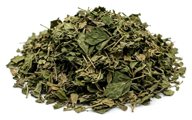 Dried fenugreek leaves
Use the same weight, crush finely before adding. Essentially the same herb in leaf form.
 Fenugreek seed
Use only 10% of the weight, dry-roast and grind. Much more bitter; use sparingly.


- Black peppercorn
Use 1:1 by weight; pulverise in a spice mill or mortar to a fine powder for immediate, punchy heat.
- Coarsely ground black pepper
Use equal weight; offers the same bite, though it gives a visibly speckled finish and firmer crunch.

 Black cardamom seeds
Use equal weight; grind freshly in a mortar or spice mill for an even more vibrant camphor-and-smoke aroma.
- Black cardamom pod
Use 2.5 times the weight in whole pods; crack open, extract the sticky seeds, and grind to a fine powder, discarding the husks.
 Garam masala
Use 60% of the weight; provides some warm resinous smokiness if it contains black cardamom, though it adds cinnamon and clove notes.


Similar dishes

- Same: Bhuna Gosht (II) shares lamb, slow cooking, ginger paste, garlic paste, chilli powder, black cardamom, cinnamon, clove, black peppercorn, bay leaf and salt with this dish.
- Different: Bhuna Gosht (II) uses bone-in lamb and onion with ground coriander, cumin and turmeric, and it lacks this dish's rum, white malt vinegar, amchoor, mustard oil, kasoori methi, black rock salt, green cardamom and black cumin seed.

- Same: Tawe de Tikke also features lamb heavily seasoned with ginger, garlic, chilli, cinnamon, cloves, and black cardamom.
- Different: Instead of braising and roasting a whole bone-in leg with mustard oil, malt vinegar, and amchoor, it pan-fries boneless lamb cubes on a griddle using ghee, yogurt, lemon juice, onions, and fresh green chillies.

- Same: Both dishes cook lamb in mustard oil seasoned with ginger, garlic, chilli powder, bay leaves, cinnamon, cloves, and green cardamom.
- Different: Gol Maas Kaachar is a saucy curry built on onions, tomatoes, and yogurt, whereas this dish roasts a whole leg of lamb without tomatoes or yogurt and uses malt vinegar, amchoor, black cardamom, and black cumin.

- Same: Both dishes feature lamb seasoned with ginger, garlic, chilli powder, cinnamon, cloves, bay leaves, and green and black cardamom.
- Different: Rather than slow-braising and roasting a whole leg with mustard oil, vinegar, and amchoor, Dahi ka Keema simmers minced lamb in ghee, peanut oil, onions, and a large quantity of yogurt with mace and fresh green chillies.