Indian cooking
Indian cooking / Dishes / Kundan Kaliya
Kundan Kaliya (Golden Lamb Curry)

Kundan Kaliya

Golden Lamb Curry
Non-vegetarian●●●Origin AwadhPrep 1 hourCook 1½ hours

A velvety Awadhi-style curry of tender braised lamb coated in a silky, saffron-infused yoghurt and cream gravy. It offers a mellow, aromatic warmth crowned with shimmering edible gold.

Saffron

0.3 gSteeped in milk before cooking (step 1)
01
~0.3 gpinch
spice
Keep submerged in the milk to draw out its colour.

Ginger and garlic pastes

78 gBlended with the fried onions and yoghurt (step 4)
Measure both pastes into a single bowl.

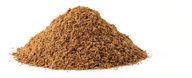
Ground spices

15 gStirred into the seared lamb (step 5)
01
3.6 g2 teaspoons
spice
03
6 g2 teaspoons
spice
Stir the powders together until uniform.

Aromatic spices

6 gAdded to the braising liquid (step 6)
01
0.3–0.4 g4–6 cloves
spice
02
0.7–1.1 g4–6 pods
spice
04
5 g4 pieces
spice
Combine the whole and ground aromatics in a small bowl.

Everything else

01
5 g1 teaspoon
dairy
02
1000 g
meat
04
500 g
vegetable
06
203 g200 ml
dairy
08
to taste
salt

Method

  1. Steep the saffron in 5.1 g milk and set aside.
  2. Drop 1000 g cubed lamb into a pot of rolling boiling water, blanch for 10 minutes, then drain thoroughly through a colander and set aside.
  3. Warm 400 g ghee or vegetable oil over medium heat in a large, heavy-based casserole. Sauté 500 g sliced onion for 5–7 minutes until rich golden brown, then transfer with a slotted spoon onto paper towels, leaving the hot fat in the pan.
  4. Crumble the browned onions by hand. Stir in about 30 g (2 tablespoons) of the 250 g whisked yoghurt along with the ginger and garlic pastes masala. Transfer this mixture into the pan of reserved oil, add the blanched lamb, and fry over medium-low heat for 10 minutes.
  5. Add the ground spices masala and fry for 5 minutes, stirring steadily. Slowly incorporate the rest of the whisked yoghurt and cook for roughly 2 minutes until clear fat pools at the edges.
  6. Pour in 250 g water, season with salt to taste, and add the aromatic spices masala. Put a lid on the pan and simmer gently for 1 hour until the meat is completely tender, then lift the lamb pieces out onto a plate.
  7. Filter the cooking liquid through a fine-mesh sieve or muslin back into the casserole, pressing out all the juices. Pour in 203 g single cream and the steeped saffron, return the meat to the pan, and simmer over low heat for 5 minutes.
  8. Reserve a small fragment of the 10 sheets of gold leaf for finishing. Flake the remainder directly into the sauce using a fork, then float the reserved gold leaf on top to serve.

Don't have something?

Saffron
  • Ground turmeric

    Use 15% of the saffron's weight. Replicates the bright yellow colour well, but lacks the floral, earthy depth; use sparingly to avoid bitterness.

  • Screwpine water or rosewater

    Use a few drops combined with a tiny pinch of ground turmeric to mimic both the regal floral aroma and the golden hue.

Milk
  • Whole milk

    Use equal weight; provides the standard rich dairy fat and body expected in creamy Indian bases.

  • Single cream

    Dilute 3 parts cream with 1 part water to match the weight; yields a richer, glossier gravy that resists curdling.

  • Plain yogurt

    Whisk thoroughly and use equal weight; adds extra body and a mild pleasant acidity, best added off the heat.

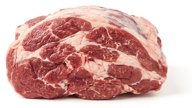
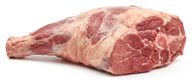
Lamb leg or shoulder
  • Leg of lamb

    Use the same weight; leaner than shoulder. Shorten the simmer by 10–15 minutes and check for tenderness.

  • Lamb shoulder

    Use the same weight; richer and fattier. Allow 10–15 minutes longer and skim the fat.

  • Boneless lamb

    Use the same weight; brown well first. Cooks 20–25 minutes faster and gives a less gelatinous gravy.

Ghee or vegetable oil
  • Peanut oil

    Use equal weight; handles high tempering heat well and keeps flavours neutral.

  • Butter

    Use equal weight; cook over gentle heat to prevent browning the milk solids too quickly.

Onion
  • Shallot

    Use equal weight, finely sliced. Shallots soften and brown faster, giving a slightly sweeter and more delicate base to curries.

  • Cabbage

    Use 80% of the weight, finely shredded and browned slowly with a pinch of asafoetida. Replicates the bulk and natural sweetness in gravies without allium.

Hung yoghurt
  • Hung natural yoghurt

    Use the same weight. The names are used interchangeably; check seasoning.

  • Greek yoghurt

    Use the same weight. It is thick enough for marinades and raitas, with a slightly sharper taste.

  • Full-fat natural yoghurt

    Use about 175% of the weight and strain through muslin for 3–4 hours to get the same thick weight.

Ginger paste
  • Fresh ginger

    Use equal weight; peel and grate very finely on a microplane or pound to a fine paste in a mortar.

  • Ginger

    Use equal weight; mince finely and crush with the flat of a knife before frying.

  • Ground ginger

    Use 20% of the weight; add directly with the dry spice powders, though it yields an earthier, less pungent profile.

Garlic paste
  • Garlic

    Use equal weight; crush or finely grate to a smooth pulp to replicate the same fresh, pungent moisture in your base gravy.

  • Garlic powder

    Use 20 to 25% of the weight; mix with a teaspoon of water before adding to oil so it does not burn, noting it lacks the fresh bite.

Ground coriander
  • Coriander seeds

    Dry-roast lightly in a pan and grind to a fine powder; use equal weight (1:1). Offers a noticeably fresher, brighter citrus note.

  • Ground cumin

    Use 50% to 75% of the weight. Lacks the floral, citrusy profile of coriander and turns the gravy heavier, earthier, and darker.

  • Garam masala

    Use 50% of the weight and stir in near the end of cooking. Adds warmth and depth since it contains ground coriander, but introduces stronger spices like clove and cinnamon.

Chilli powder
  • Red chilli powder

    Use 100% of the weight. Provides direct, sharp heat and red colour in equal measure.

  • Kashmiri chilli powder

    Use 150% to 200% of the weight if matching colour, but add a pinch of black pepper or hot chilli if you need equivalent fiery heat.

  • Cayenne pepper

    Use 75% to 100% of the weight. Offers a sharp, clean heat with slightly less earthy depth and less crimson colour.

Ground turmeric
  • Ground ginger

    Use 50% of the weight. Mimics turmeric's warm, earthy, rhizome background, but provides none of the golden-yellow colour.

  • Saffron

    Steep a tiny pinch (0.1 g per 2 g turmeric) in 2 tbsp warm water; use to match the rich golden hue. Contributes an aristocratic, honeyed floral flavour rather than earthy bitterness.

Clove
  • Ground cloves

    Use 1 g ground for 4 g whole (or 1 small pinch per 2 to 3 whole cloves). Add with spice powders; disperses intense warmth quickly, so use with restraint.

  • Allspice berries

    Use 100% of the weight whole in tempering. Imparts a warm, clove-like aromatic profile combined with hints of nutmeg and cinnamon.

  • Black cardamom pod

    Use 1 pod for 3 to 4 cloves in whole tempering. Shares a camphor-like warmth and medicinal depth, though it introduces a distinct smoky undertone.

Green cardamom pod
  • Green cardamom seed

    Use 35 to 40% of the total pod weight; lightly bruise the seeds before frying in oil to release their essential oils.

  • Ground green cardamom

    Use 20 to 25% of the pod weight (about 1 generous pinch per pod); stir in toward the end of cooking so the delicate floral notes do not dissipate.

  • White cardamom pod

    Use 1:1 by pod count or weight; crack gently before using, though it is slightly less intensely floral.

Ground mace
  • Mace blade

    Grind dried blades finely in a spice mill; use equal weight (1:1). Provides an identical, freshly aromatic, sweet-musky profile.

  • Ground nutmeg

    Use 75% to 80% of the weight. Derived from the seed of the same tree, it shares the flavour profile but is heavier, sweeter, and more pungent.

  • Ground cinnamon (cassia)

    Use 50% of the weight. Adds warming sweetness, but lacks mace's savoury, elegant floral notes.

Black peppercorn
  • Coarsely ground black pepper

    Use 75% of the weight. Add midway through simmering; spreads heat evenly through the dish instead of delivering isolated bursts.

  • Ground black pepper

    Use 50% of the weight. Stir in near the end of cooking; significantly darkens light gravies and provides an immediate, sharp bite.

Cassia bark
  • Ceylon cinnamon

    True cinnamon: thinner, papery quills, milder and sweeter. Use about 1.5 times the weight, and taste.

  • Ground cinnamon (cassia)

    Use about a third of the weight (0.5 g ground for a 2.5 cm piece), stirred in with the ground spices rather than fried whole, since the powder burns quickly.


  • Cassia buds

    Use 60-70% of the weight; stronger and more peppery, so taste before adding more.

Single cream
  • Whole milk

    Use equal weight, whisked with a small knob of unsalted butter. Simmer gently over low heat to reduce curdling; sauce will be slightly lighter.

  • Clotted cream

    Use 50% weight combined with 50% whole milk, whisked until smooth. Adds intense richness, so stir in at the very end off the heat.

  • Cashew paste

    Use 60% cashew paste mixed with 40% warm water. Creates a silky, luxurious thickening that won't split even under high heat.

Edible gold leaf
  • Edible silver leaf

    Use the same amount to cover the same surface. Purely decorative, so only the colour changes; no taste difference.

  • Silver leaf

    Use the same amount for decoration. Same practical effect, but check it is food-grade.

Similar dishes

Shahi Qorma
Prince-like Curry
Shahi Qorma has a tangier, heavily floral, and more pungent warm-spiced flavor, rather than the mild, cream-laden profile of this dish.
  • Same: Both are rich lamb curries cooked in ghee with onions, garlic, ginger, saffron, cinnamon, cloves, mace, coriander, and cardamom.
  • Different: Shahi Qorma uses plain yogurt instead of single cream and milk, omits turmeric, uses far less fat and onion, and incorporates bay leaf, garam masala, and floral kewra or rosewater.
Bhuna Gosht (II)
Roasted Lamb
It tastes deeply savoury, robust, and lightly smoky rather than mellow, sweet, and richly creamy like this dish.
  • Same: Bhuna Gosht (II) also braises lamb with an onion base, ginger and garlic pastes, and shared spices like cinnamon, cloves, coriander, and chilli powder.
  • Different: Bhuna Gosht (II) is fried down into a thick, dry-roasted sauce using black cardamom, cumin, and bay leaf, completely omitting this dish's cream, milk, saffron, and mace.
Nahari
Morning Delight
Nahari tastes deeply savoury and warmly spiced from black cardamom and mustard oil, with a thinner stock-and-chickpea-flour body, while this dish is mellower, creamier and saffron-scented.
  • Same: Nahari shares lamb, yogurt, onion, ginger-garlic paste, coriander, chilli, turmeric, clove, cinnamon and black pepper with this dish, and both are slow-braised yogurt-based lamb curries.
  • Different: Nahari uses mustard oil instead of ghee, plain yogurt instead of hung yogurt, heavy black cardamom, lamb stock and roasted chickpea flour for thickening, and lacks this dish's saffron, mace, green cardamom, cream, milk and edible gold.
Nalli Rogan Josh
Braised Lamb Shanks
Nalli Rogan Josh tastes tangier and more robustly spiced from tomatoes and black cardamom, whereas this dish is milder, sweeter, and creamier.
  • Same: Nalli Rogan Josh is also a slow-cooked lamb curry flavoured with saffron, mace, cinnamon, cloves, coriander, garlic, and ginger.
  • Different: Nalli Rogan Josh braises lamb shanks in a tomato base with bay leaf and black cardamom, omitting this dish's cream, milk, onions, turmeric, and green cardamom.