
Murg ke Soole
Succulent skewered chicken steeped in a rich yoghurt and cashew marinade, infused with charcoal smoke and roasted until tender and lightly charred.
Marinade spices
18 gStirred into the yoghurt marinade (step 2)Everything else

Method
- Pound 750 g chicken flat using a meat mallet, then dab the surfaces completely dry with kitchen paper.
- In a mixing bowl, combine 250 g whisked yoghurt, 62.4 g cashew paste, 152 g single cream, 2 tablespoon fried onion paste, 2.5 g chopped ginger, 3.3 g chopped green chilli, 6 g fresh ginger, 5.1 g lemon juice, 5 g white malt vinegar, 1 tablespoon roasted chickpea flour, salt to taste, and the marinade spices. Whisk until smooth.
- Turn the chicken through the marinade to coat every piece thoroughly. Cover the bowl and chill in the refrigerator for at least 3 hours.
- Preheat the oven to 200°C (400°F) or ready a charcoal grill. If imparting a charcoal aroma, transfer the meat and marinade to a heatproof vessel, set a small metal ramekin holding a glowing charcoal ember in the centre, drizzle 8.8 g ghee directly onto the coal, and cover tightly with a lid to trap the smoke.
- Thread the chicken pieces securely onto metal skewers. Suspend them over a roasting pan to catch any drippings and cook for 10 minutes.
- Take the skewers off the heat and let them hang or stand over the tray for 5 minutes so running juices can drain away.
- Brush the meat generously with melted butter to taste and cook for an additional 5 to 10 minutes until thoroughly done and edges take on colour.
Don't have something?


 Boneless chicken
Use the same weight, cut into thigh-sized pieces. If the mix includes breast, add breast pieces 5 minutes later so they do not dry out.
 Skinless chicken thigh
Use the same weight. Remove any skin and cut into cubes; cooking time and juiciness are almost the same.
 Boneless chicken breast
Use the same weight, cut into slightly larger cubes and marinate well. Reduce the final simmer by about 5 minutes; it is leaner and can dry out.


 Hung natural yoghurt
Use the same weight. The names are used interchangeably; check seasoning.
 Greek yoghurt
Use the same weight. It is thick enough for marinades and raitas, with a slightly sharper taste.
 Full-fat natural yoghurt
Use about 175% of the weight and strain through muslin for 3–4 hours to get the same thick weight.


 Cashew nut
Use 100% of the weight. Soak raw cashews in boiling water for 20 minutes, then blend with just enough water to form a silky, thick paste.
 Almond
Use 100% of the weight. Blanch, peel skins completely, and blend with warm water until velvety; gravies will be marginally less sweet.
 Single cream
Use 80% of the weight. Stir in near the end of cooking over low heat; provides luxurious gloss and fat without the nut solids.


 Whole milk
Use equal weight, whisked with a small knob of unsalted butter. Simmer gently over low heat to reduce curdling; sauce will be slightly lighter.
 Clotted cream
Use 50% weight combined with 50% whole milk, whisked until smooth. Adds intense richness, so stir in at the very end off the heat.
- Cashew paste
Use 60% cashew paste mixed with 40% warm water. Creates a silky, luxurious thickening that won't split even under high heat.


 Fried onions
Blend the same weight with 1–2 tablespoons water to a smooth paste; add only enough water to grind.
 Onion paste
Fry the same weight in oil until deep golden, then mash or blend; cook a little longer to remove the raw taste.
 Boiled onion paste
Fry the same weight in oil until golden before use; it will be wetter, so cook until the oil separates.


 Egg
Use the same weight of beaten whole egg. Adds white as well as yolk, so the mixture is less rich and sets more firmly.
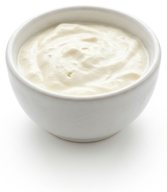 Cream
Use about 15 g cream per egg yolk for richness in curries or sauces. Does not bind or set like yolk.
- Full-fat natural yoghurt
Use about 15–20 g per yolk for moisture in marinades or fillings. Adds tang and will not enrich or set like yolk.


- Ground Ceylon cinnamon
Milder and sweeter than ground cassia: use about 1.5 times the weight.
 Cassia bark (Chinese cinnamon)
Grind the same weight of cassia bark in a spice mill until powdery, or simmer a piece whole and lift it out before serving.
 Ground mace
Use 40 to 50% of the weight; offers a delicate, sweet, woodsy fragrance that complements rich curries without dominating.


 Green cardamom seed
Grind freshly extracted inner black seeds finely; use equal weight (1:1). Greatly superior aroma with potent eucalyptus and citrus notes.
 Green cardamom pod
Lightly crack whole pods and simmer them in the gravy; use 150% of the weight of ground cardamom. Fish out the pods before serving.
 Ground nutmeg
Use 50% of the weight. Delivers warm, sweet aroma, but lacks cardamom's cooling, citrusy top notes.


 Coriander leaf
Use equal weight, chopped fresh and stirred in off the heat or used as garnish. Matches the citrus-herbal profile identically.
 Mint
Use 40% to 50% of the weight; chop finely and add at the very end. Adds fresh herbal brightness, but shifts the aroma toward cool menthol.


 Fresh ginger
Use equal weight; scrape off the skin and grate or finely julienne according to the recipe.
 Ginger paste
Use equal weight; stir straight into the sizzling aromatics, taking care as the extra moisture may spit.
 Ground ginger
Use 15 to 20% of the weight; add alongside ground spices, noting it imparts warm, dry heat rather than zesty freshness.


 Chilli powder
Use 10 to 15% of the weight (about 1/4 teaspoon per chilli); imparts dry pungent heat and reddens the dish without the grassy crunch.
 Dried red chilli
Use 1 dried pod per fresh green chilli; snap in half and temper in hot oil for a deeper, toastier heat.


 Nigella seeds
Use the same weight; in Indian cooking this is usually the same seed. Toast lightly if the recipe asks for toasted.
- Kalonji seed
Use the same weight; it is another name for nigella. Add whole or crush lightly.
 Cumin seed
Use about 75% of the weight and toast before use; the flavour is different, more warm and less onion-like.


- Ginger paste
Use equal weight. Sauté in hot fat until the raw allium smell disappears; slightly wetter, but provides identical warmth and pungency.
- Ground ginger
Use 20% to 25% of the weight (1 g for every 4 to 5 g fresh). Stir into the gravy; adds peppery heat and warmth, though it misses the crisp, zesty kick of raw root.


 Garlic
Use equal weight; crush or finely grate to a smooth pulp to replicate the same fresh, pungent moisture in your base gravy.
 Garlic powder
Use 20 to 25% of the weight; mix with a teaspoon of water before adding to oil so it does not burn, noting it lacks the fresh bite.


 Ground black pepper
Use 80–100% of the weight. Darker and sharper; reduce slightly if you do not want extra heat.
 Black peppercorn
Grind the same weight fresh; same darker, sharper result.


 Lime juice
Use equal volume or weight; delivers almost identical sharp acidity with a faintly more aromatic, bitter-edged profile.
 Dried mango powder
Use 25% of the weight (about 1 g amchoor for 4 g juice); provides clean fruity tartness without thinning the sauce.
 White vinegar
Use 75% of the volume; gives direct sourness without any citrus floral fragrance.


- White vinegar
Use 90% of the weight. It is sharper and lacks the mild malty grain undertone, so temper with a tiny pinch of sugar if needed.
- Lemon juice
Use 100% of the weight. Best for marinades or quick chutneys; imparts fresh citrus flavour instead of fermented acidity.


 Yellow split pea flour
Use 100% of the weight. Many commercial gram flours are milled from split peas; performs identically in pakora batters and kadhi.
 Cornstarch
For crisping batters or binding cutlets: use 50% to 60% of the weight. Produces a very crisp shell but lacks the earthy, roasted nutty flavour of besan.


 Unsalted butter
Use 120% of the weight; melt gently over low heat to avoid burning the milk solids, which will yield a softer, creamier richness rather than a nutty aroma.
 Vegetable oil
Use 85% of the weight; holds high cooking temperatures without smoking, but the final dish will lack traditional dairy depth.
 Mustard oil
Use equal weight; heat to smoking point and cool slightly before cooking, bearing in mind it introduces an assertive, pungent edge.


- Unsalted butter
Use 100% of the weight. If the original recipe relies on salted table butter, add a pinch of salt to balance.
- Ghee
Use 80% to 85% of the weight. Ghee is pure butterfat with moisture removed; it yields a deeper, nuttier flavour and handles high heat better.
- Vegetable oil
Use 80% of the weight for frying or tempering. The dish loses sweet dairy richness but remains glossy and light.
Similar dishes
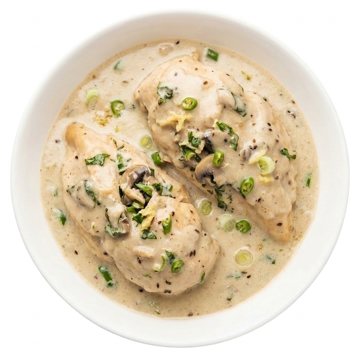
- Same: Khatta Murg also uses chicken prepared with single cream, butter, ginger, garlic, green chillies, black cumin seeds, green cardamom, and lemon juice.
- Different: Rather than skewering and roasting chicken with cashew paste, fried onions, chickpea flour, cinnamon, vinegar, and ghee, Khatta Murg stuffs the chicken with mushrooms and mint to braise it.

- Same: Murg ke Parche is also a skewered, charred chicken kebab seasoned with black cumin seeds, ginger, garlic, green cardamom, green chillies, and butter.
- Different: Murg ke Parche includes mace, fresh coriander, and vegetable oil, but omits this dish's cashew paste, fried onion paste, chickpea flour, cinnamon, ghee, lemon juice, and malt vinegar.

- Same: Both dishes feature skewered chicken coated in a rich marinade of single cream, cashew paste, ginger, garlic, and green cardamom with butter and white malt vinegar.
- Different: Kashmiri Murg Kebab uses vegetable oil and far more vinegar, but omits the fried onions, chickpea flour, green chillies, cinnamon, black cumin, and charcoal smoking of this dish.

- Same: Both feature skewered chicken roasted with chickpea flour, garlic, ginger, green chillies, lemon juice, and butter.
- Different: Murg Methi Tikka adds fenugreek seeds, chilli powder, and mustard oil, but leaves out this dish's cashew paste, cream, fried onions, vinegar, and sweet warming spices.