Indian cooking
Indian cooking / Dishes / Khatta Murg
Khatta Murg (Sour Chicken)

Khatta Murg

Sour Chicken
Non-vegetarian●●●Origin HyderabadPrep 1 hour, plus marinating timeCook 30 minutes

Chicken breasts are stuffed with a piquant mixture of mushrooms, chillies, and fresh mint, then gently braised in a velvety yoghurt sauce sharpened with fresh lemon juice.

Marinade aromatics

42 gMixed with lemon juice and salt for the chicken marinade (step 2)
Mix together into a smooth paste.

Filling spices

2.1 gTossed into the mushroom stuffing (step 3)
01
2.1 g1 teaspoon
spice
Keep whole.

Sauce spices

2 gWhisked into the spiced yoghurt mixture (step 4)
Grind to a fine powder.

Everything else

01
Chicken breastlarge, skinless boneless
1600 g8 breasts
poultry
03
90 g6 tablespoons
dairy
04
31 g2 tablespoons
nut/seed
05
21 g1½ tablespoons
dairy
06
15 g1 tablespoon
souring agent
07
to taste
salt
08
15 g1 tablespoon
souring agent
09
to taste
salt
10
150 g
vegetable
11
Ginger · Adrakpeeled and grated
12 g1 piece
aromatic
12
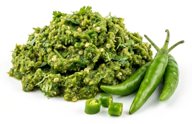
Green chilli · Hari Mirchde-seeded and finely chopped
24 g4 chillies
vegetable
13
32–36 g16–18 sprigs
herb

Method

  1. Using a sharp knife, slice a deep horizontal cavity along the thick side of each of the 8 large, skinless boneless chicken breasts, taking care not to pierce through the opposite edge, and set them in a shallow dish.
  2. Combine the marinade aromatics (26 g garlic paste and 15.6 g ginger paste) with 15.3 g lemon juice and salt to taste. Rub this mixture evenly over the chicken, cover, and refrigerate for 20 minutes.
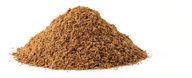
  3. Toss together 150 g button mushrooms (cut into rounds), 12 g peeled and grated ginger, 24 g de-seeded and finely chopped green chillies, 16 mint leaves, and the filling spices (2 g black cumin seeds). Divide into 8 equal portions, stuff each pocket with a portion, and gently press the edges together with the flat tip of a knife to seal without puncturing the meat.
  4. In a wide bowl, whisk together 180 g yoghurt, 45 g of the single cream, 2 tbsp oil, 2.5 tsp ground coriander, 1 tsp ground cumin, the sauce spices (2 g ground green cardamom), and salt to taste. Turn the stuffed chicken breasts through this mixture until thoroughly coated, keeping any extra yoghurt mixture to one side.
  5. Lay the breasts in a single layer in a large non-stick frying pan along with any resting juices, pour over the reserved yoghurt coating, and scatter 1.5 tbsp unsalted butter in small knobs over the surface. Cover the pan tightly with foil and cook over medium heat for 20 to 25 minutes until the chicken is tender and cooked through.
  6. Lift the chicken breasts out of the pan and rest on a warm plate. Strain the remaining pan juices through a fine sieve into a clean saucepan.
  7. Place the strained juices over medium heat, pour in the remaining 45 g single cream, and bring just below a simmer. Stir continuously until the liquid thickens into a glossy sauce, then finish by stirring in 15.3 g lemon juice and adjusting the salt before serving over the chicken.

Don't have something?

Chicken breast
  • Boneless chicken thigh

    Use the same weight; cut into similar pieces. Juicier and more forgiving; cook 2–3 minutes longer.

  • Boneless chicken leg

    Use the same weight; cut into similar pieces. More flavour and slightly more fat; cook 3–5 minutes longer.

  • Chicken thigh

    Use the same weight; bone-in needs 5–10 minutes longer. More flavour, less dry.

Hung natural yoghurt
  • Greek yoghurt

    Use the same weight straight from the pot. It is thick and slightly tangier; stir well before use.

  • Full-fat natural yoghurt

    Use about 175% of the weight and strain through muslin for 3–4 hours to yield the same weight of thick yoghurt.

  • Hung yoghurt

    Use the same weight. It is essentially the same ingredient; adjust salt or sugar to taste.

Single cream
  • Whole milk

    Use equal weight, whisked with a small knob of unsalted butter. Simmer gently over low heat to reduce curdling; sauce will be slightly lighter.

  • Clotted cream

    Use 50% weight combined with 50% whole milk, whisked until smooth. Adds intense richness, so stir in at the very end off the heat.

  • Cashew paste

    Use 60% cashew paste mixed with 40% warm water. Creates a silky, luxurious thickening that won't split even under high heat.

Almond paste
  • Blanched almond paste

    Use the same weight; same flavour and texture. Break up lumps before mixing.

  • Ground almonds

    Use the same weight with 25–30% caster sugar and a little water; less smooth and sweeter.

  • Cashew paste

    Use the same weight; softer and milder, with less almond flavour. Good in creamy gravies.

Green chilli paste
  • Green chilli

    Use the same weight, deseed if wanted, and grind with 1 tbsp water; fresher and brighter.

  • Chilli paste

    Use the same weight; may be red and hotter, so adjust.

  • Red chilli paste

    Use 75–80% of the weight; changes colour and heat.

Ground white pepper
  • Ground black pepper

    Use 80–100% of the weight. Darker and sharper; reduce slightly if you do not want extra heat.

  • Black peppercorn

    Grind the same weight fresh; same darker, sharper result.

Ground green cardamom
  • Green cardamom seed

    Grind freshly extracted inner black seeds finely; use equal weight (1:1). Greatly superior aroma with potent eucalyptus and citrus notes.

  • Green cardamom pod

    Lightly crack whole pods and simmer them in the gravy; use 150% of the weight of ground cardamom. Fish out the pods before serving.

  • Ground nutmeg

    Use 50% of the weight. Delivers warm, sweet aroma, but lacks cardamom's cooling, citrusy top notes.

Unsalted butter
  • Ghee

    Use 80% to 85% of the weight. Delivers rich dairy flavour without the milk solids or moisture; watch the heat as it cooks hotter.

  • Butter

    Use equal weight, but reduce the recipe's added salt by approximately 1.5% of the weight of butter used.

Lemon juice
  • Lime juice

    Use equal volume or weight; delivers almost identical sharp acidity with a faintly more aromatic, bitter-edged profile.

  • Dried mango powder

    Use 25% of the weight (about 1 g amchoor for 4 g juice); provides clean fruity tartness without thinning the sauce.

  • White vinegar

    Use 75% of the volume; gives direct sourness without any citrus floral fragrance.

Garlic paste
  • Garlic

    Use equal weight; crush or finely grate to a smooth pulp to replicate the same fresh, pungent moisture in your base gravy.

  • Garlic powder

    Use 20 to 25% of the weight; mix with a teaspoon of water before adding to oil so it does not burn, noting it lacks the fresh bite.

Ginger paste
  • Fresh ginger

    Use equal weight; peel and grate very finely on a microplane or pound to a fine paste in a mortar.

  • Ginger

    Use equal weight; mince finely and crush with the flat of a knife before frying.

  • Ground ginger

    Use 20% of the weight; add directly with the dry spice powders, though it yields an earthier, less pungent profile.

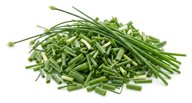
Spring onion
  • Spring onion green

    Use the same weight; use only the green parts, so the dish loses some of the white onion base.

  • Onion

    Use 60% of the weight, finely sliced; stronger and sharper, so cook it down more.

  • Chive

    Use the same weight; milder and best added late or as a garnish, not as a cooked base.

Ginger
  • Fresh ginger

    Use equal weight; scrape off the skin and grate or finely julienne according to the recipe.

  • Ginger paste

    Use equal weight; stir straight into the sizzling aromatics, taking care as the extra moisture may spit.

  • Ground ginger

    Use 15 to 20% of the weight; add alongside ground spices, noting it imparts warm, dry heat rather than zesty freshness.

Green chilli
  • Chilli powder

    Use 10 to 15% of the weight (about 1/4 teaspoon per chilli); imparts dry pungent heat and reddens the dish without the grassy crunch.

  • Dried red chilli

    Use 1 dried pod per fresh green chilli; snap in half and temper in hot oil for a deeper, toastier heat.

Mint
  • Dried mint

    Use about 30% of the weight of fresh mint. Rub between your palms to crush before stirring in; the flavour will be more intensely herbal and less bright.


  • Coriander leaf

    Use equal weight, finely chopped. Adds fresh citrusy green notes, but lacks the cooling menthol lift.

Black cumin seed
  • Nigella seeds

    Use the same weight; in Indian cooking this is usually the same seed. Toast lightly if the recipe asks for toasted.

  • Kalonji seed

    Use the same weight; it is another name for nigella. Add whole or crush lightly.

  • Cumin seed

    Use about 75% of the weight and toast before use; the flavour is different, more warm and less onion-like.

Similar dishes

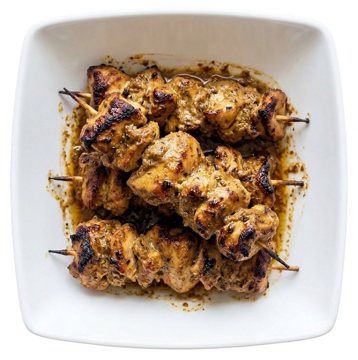
Murg ke Soole
Boneless Chicken on Skewers
Murg ke Soole is smokier, nuttier, and milder in acidity, whereas this dish is sharply sour and herbal with mint.
  • Same: Like this dish, Murg ke Soole features chicken flavored with single cream, butter, ginger, garlic, green cardamom, and black cumin seeds.
  • Different: Instead of stuffing chicken with mushrooms and mint to braise in sauce, Murg ke Soole skewers and charcoal-roasts the meat using cashew paste, fried onions, cinnamon, chickpea flour, ghee, and vinegar.
Murg ke Parche
Chicken Fillet Kebabs
Murg ke Parche tastes smoky, warm, and rich rather than tart, sharp, and herby like this lemon- and mint-braised dish.
  • Same: Murg ke Parche shares chicken, cream, butter, green chillies, ginger, garlic, green cardamom, and black cumin seeds with this dish.
  • Different: Instead of braising stuffed chicken breasts with mushrooms, mint, and lemon juice, Murg ke Parche seasons chicken fillets with mace, coriander, and vegetable oil to grill on skewers.
Kashmiri Murg Kebab
Chicken Kebabs
Kashmiri Murg Kebab tastes tangy from white malt vinegar and creamy from cashew, cream and yoghurt with a grilled finish, while this dish is lemon-sour, minty from the stuffing and softly braised in a yoghurt sauce.
  • Same: Kashmiri Murg Kebab shares chicken, hung yoghurt, cream, green chilli paste, ginger paste, garlic paste, ground white pepper and green cardamom with this dish, and both use a nut paste in the yoghurt-cream base.
  • Different: Kashmiri Murg Kebab uses chicken leg, egg, plain flour, white malt vinegar, vegetable oil, dried rose petals and cashew paste and is grilled on skewers, while this dish uses chicken breast stuffed with mushrooms, mint, spring onion, green chilli and black cumin seed and is braised with almond paste, lemon juice and butter.
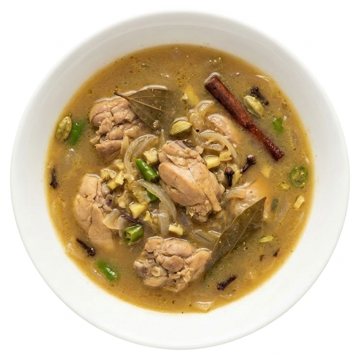
Chicken Ishtoo
Indian-Style Chicken Stew
Chicken Ishtoo tastes milder, lighter, and more whole-spice aromatic than this dish, with no creamy dairy richness or lemon sourness.
  • Same: Chicken Ishtoo and this dish both braise chicken with ginger, garlic paste, green chilli, green cardamom, and salt.
  • Different: Chicken Ishtoo uses vegetable oil, onion, and whole bay leaf, cinnamon, clove, and cardamom pods, while this dish uses butter, cream, yoghurt, lemon juice, almond paste, mushrooms, mint, spring onion, black cumin, and white pepper; Chicken Ishtoo is a light stew, not stuffed chicken breast in a velvety yoghurt sauce, and it lists no souring agent.