
Murg ke Parche
Succulent chicken fillets steeped in a double marinade of fragrant aromatics, yoghurt, and cream, then grilled on skewers until lightly charred. Mildly spiced with mace and cardamom, the kebabs are smoky, rich, and juicy.
First marinade aromatics
38 gCombined with oil for the initial chicken marinade (step 1)Second marinade spices
4.4 gWhisked into the dairy mixture (step 2)Everything else

Method
- In a shallow dish, combine the first marinade aromatics with 13.5 g vegetable oil, half of the 1 tablespoon freshly ground white pepper, and salt to taste. Rub the mixture thoroughly over 750 g chicken breasts. Cover and leave to marinate in the fridge for 1 hour.
- In another shallow dish, whisk 100 g yoghurt, 1 egg white, and 200 g cream together until smooth. Stir in the second marinade spices, the rest of the ground white pepper, 36–48 g de-seeded and chopped green chilli, 1 g chopped coriander, and salt to taste. Turn the chicken pieces in this second coating until evenly covered. Cover and refrigerate for another 2 hours.
- Preheat a charcoal grill or tandoor to moderate heat, or set an oven grill (broiler) to medium. Thread the marinated chicken onto metal skewers and grill for 6–7 minutes until roughly half-cooked.
- Lift the skewers off the heat and hang them vertically for 2–3 minutes so excess moisture drips away. Place them in a dish, brush generously with melted butter to taste, and grill for another 3–4 minutes until cooked through. Transfer to a serving platter and serve immediately.
Don't have something?


 Fresh ginger
Use equal weight; peel and grate very finely on a microplane or pound to a fine paste in a mortar.
 Ginger
Use equal weight; mince finely and crush with the flat of a knife before frying.
 Ground ginger
Use 20% of the weight; add directly with the dry spice powders, though it yields an earthier, less pungent profile.


 Garlic
Use equal weight; crush or finely grate to a smooth pulp to replicate the same fresh, pungent moisture in your base gravy.
 Garlic powder
Use 20 to 25% of the weight; mix with a teaspoon of water before adding to oil so it does not burn, noting it lacks the fresh bite.


 Ground black pepper
Use 80–100% of the weight. Darker and sharper; reduce slightly if you do not want extra heat.
 Black peppercorn
Grind the same weight fresh; same darker, sharper result.


 Nigella seeds
Use the same weight; in Indian cooking this is usually the same seed. Toast lightly if the recipe asks for toasted.
- Kalonji seed
Use the same weight; it is another name for nigella. Add whole or crush lightly.
 Cumin seed
Use about 75% of the weight and toast before use; the flavour is different, more warm and less onion-like.


 Peanut oil
Use 1:1 by weight. Handles high-heat frying identically and introduces a very subtle, pleasant nuttiness.
 Ghee
Use 1:1 by weight. Yields a much richer, authentic aroma and a glossy, heavier mouthfeel.
 Mustard oil
Use 1:1 by weight. Heat until smoking, then cool slightly before cooking to temper its intensely pungent, sharp mustard kick.


 Boneless chicken thigh
Use same weight; thigh is juicier, so cook 5 minutes longer and the dish will be less dry.
 Boneless chicken leg
Use same weight, cut into even pieces and simmer 5–8 minutes longer.
 Boneless chicken piece
Use same weight, cut into bite-sized pieces; cooking time depends on size, so keep pieces even.


 Hung natural yoghurt
Use the same weight. The names are used interchangeably; check seasoning.
 Greek yoghurt
Use the same weight. It is thick enough for marinades and raitas, with a slightly sharper taste.
 Full-fat natural yoghurt
Use about 175% of the weight and strain through muslin for 3–4 hours to get the same thick weight.


 Egg
Use the same weight of beaten whole egg for binding or coating. Adds yolk fat and colour; will not whip like egg white.
 Chickpea flour
For a coating or binder, use about 10 g chickpea flour mixed with 20 ml water per 30 g egg white. Not whippable and tastes nutty.
 Milk
Use the same weight for glazing brushed on breads or pastries. Gives colour but no binding or aeration.


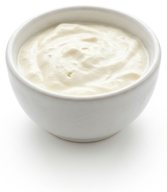
 Double cream
Use the same weight. Richer and thickens well; do not boil hard or it may split.
 Single cream
Use the same weight. Thinner; reduce other liquid or simmer the sauce to thicken.
 Full cream milk
Use 80% of the weight. No thickening; simmer to reduce and add a little ghee for richness.


 Green cardamom seed
Use 35 to 40% of the total pod weight; lightly bruise the seeds before frying in oil to release their essential oils.
 Ground green cardamom
Use 20 to 25% of the pod weight (about 1 generous pinch per pod); stir in toward the end of cooking so the delicate floral notes do not dissipate.
 White cardamom pod
Use 1:1 by pod count or weight; crack gently before using, though it is slightly less intensely floral.


 Ground mace
Use 0.5 g ground mace for 1 g mace blade; add towards the end of frying spices as ground powder burns much quicker than whole blades.
 Nutmeg
Grate finely, using 50% of the weight; sweeter, deeper, and slightly heavier in aroma than delicate mace.
 Ground nutmeg
Use 40% of the weight; stir in gently with ground spices, avoiding high direct heat to prevent bitterness.


 Chilli powder
Use 10 to 15% of the weight (about 1/4 teaspoon per chilli); imparts dry pungent heat and reddens the dish without the grassy crunch.
 Dried red chilli
Use 1 dried pod per fresh green chilli; snap in half and temper in hot oil for a deeper, toastier heat.


 Coriander leaf
Use equal weight, chopped fresh and stirred in off the heat or used as garnish. Matches the citrus-herbal profile identically.
 Mint
Use 40% to 50% of the weight; chop finely and add at the very end. Adds fresh herbal brightness, but shifts the aroma toward cool menthol.


 Unsalted butter
Use 100% of the weight. If the original recipe relies on salted table butter, add a pinch of salt to balance.
- Ghee
Use 80% to 85% of the weight. Ghee is pure butterfat with moisture removed; it yields a deeper, nuttier flavour and handles high heat better.
- Vegetable oil
Use 80% of the weight for frying or tempering. The dish loses sweet dairy richness but remains glossy and light.

Similar dishes

- Same: Both are skewer-grilled chicken kebabs prepared with ginger paste, garlic paste, green cardamom, vegetable oil, and butter.
- Different: Kashmiri Murg Kebab includes cashew paste, single cream, and white malt vinegar, but omits the green chillies, mace, black cumin, and coriander used in this dish.
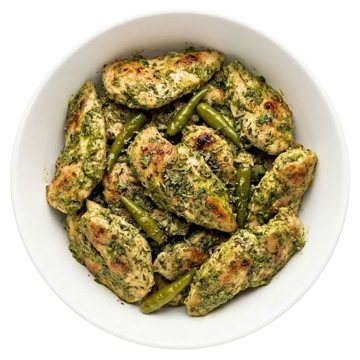
- Same: Murg Parche shares the base of chicken fillets marinated with ginger, garlic, green chillies, and oil.
- Different: Murg Parche is pan-fried or steamed rather than grilled on skewers, and it omits the mace, green cardamom, black cumin, and butter used in this dish.
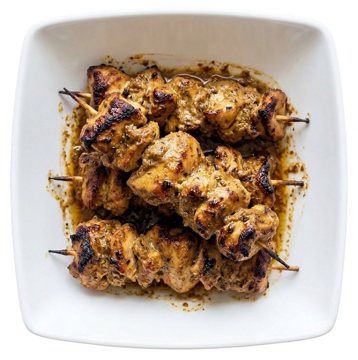
- Same: Murg ke Soole shares with this dish a boneless chicken skewer dish marinated in hung yoghurt and cream with ginger, garlic, green chilli, black cumin, white pepper, coriander, cardamom and butter, then cooked until lightly charred.
- Different: Murg ke Soole uses chicken thigh, more hung yoghurt, cashew paste, fried onion paste, egg yolk, chickpea flour and ghee, and adds lemon juice and white malt vinegar as souring agents, while this dish uses chicken breast, egg white, mace and vegetable oil and has no lemon or vinegar.
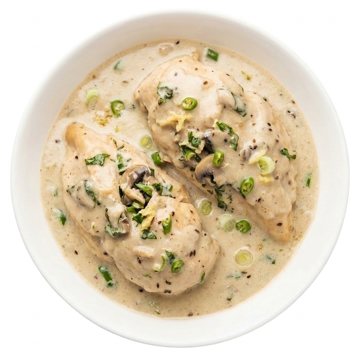
- Same: Khatta Murg also uses chicken prepared with cream, butter, yoghurt, ginger, garlic, green chillies, black cumin, and cardamom.
- Different: Instead of grilling marinated fillets spiced with mace, Khatta Murg stuffs chicken breasts with mushrooms and mint, then braises them with lemon juice.