
Makki ka Soweta
A rich Rajasthani lamb curry thickened with coarsely puréed sweetcorn, featuring tender meat in a mildly sweet, aromatic gravy brightened by fresh lime.
Whole spices
14 gFried in ghee at the start (step 1)Spices and garlic paste
47 gCooked with the meat and yoghurt (step 2)Everything else


Method
- Warm 39.6 g ghee in a large, heavy-based pot set over medium heat. Tip in the whole spices and cook for 1 to 2 minutes until fragrant.
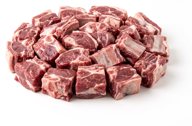
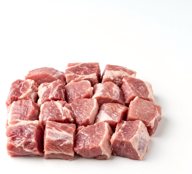
- Add 1000 g lamb, 127 g plain yogurt, 150 g fried onion paste (Tala Pisa Pyaz), the spices and garlic paste, and salt to taste. Sauté, stirring frequently, for about 10 minutes.
- Pour in 600 ml water and stir thoroughly. Lower the heat and simmer gently for 1 hour 30 minutes, until the meat is almost tender.
- Stir in 1000 g puréed sweetcorn kernels, 9.9 g green chilli, 12.6 g granulated sugar, 259 g milk, and 60 g chickpea flour (slurried in a little water).
- Cook over medium heat for around 20 minutes, stirring continuously to prevent scorching, until the corn is fully cooked and releases cleanly from the bottom of the pan.
- Take the pan off the heat, fold in 15.3 g lime juice and 1 g coriander leaf, and stir well.
Don't have something?


 Unsalted butter
Use 120% of the weight; melt gently over low heat to avoid burning the milk solids, which will yield a softer, creamier richness rather than a nutty aroma.
 Vegetable oil
Use 85% of the weight; holds high cooking temperatures without smoking, but the final dish will lack traditional dairy depth.
 Mustard oil
Use equal weight; heat to smoking point and cool slightly before cooking, bearing in mind it introduces an assertive, pungent edge.


 Ground cloves
Use 1 g ground for 4 g whole (or 1 small pinch per 2 to 3 whole cloves). Add with spice powders; disperses intense warmth quickly, so use with restraint.
 Allspice berries
Use 100% of the weight whole in tempering. Imparts a warm, clove-like aromatic profile combined with hints of nutmeg and cinnamon.
 Black cardamom pod
Use 1 pod for 3 to 4 cloves in whole tempering. Shares a camphor-like warmth and medicinal depth, though it introduces a distinct smoky undertone.


 Ground black cardamom
Use 0.5 g of ground seeds for each whole pod. Stir directly into the curry base; delivers identical smoky flavour without woody husks.
 Green cardamom pod
Use equal pod count or weight. Crack slightly and fry whole; tastes sweet, menthol-fresh, and floral rather than dark and smoky.


 Ceylon cinnamon
True cinnamon: thinner, papery quills, milder and sweeter. Use about 1.5 times the weight, and taste.
 Ground cinnamon (cassia)
Use about a third of the weight (0.5 g ground for a 2.5 cm piece), stirred in with the ground spices rather than fried whole, since the powder burns quickly.
 Cassia buds
Use 60-70% of the weight; stronger and more peppery, so taste before adding more.


- Cinnamon stick
Use a 2 cm piece (about 1 g) for every 1 to 2 bay leaves. Fry in whole-spice temperings; provides the cassia-like warmth typical of Indian tejpatta.
- Ground cinnamon (cassia)
Use 0.5 g per leaf. Stir into the sauce during simmering; gives the same warm woodiness but darkens the colour slightly.


 Yogurt
Use equal weight, whisked thoroughly until smooth before adding to hot dishes to prevent curdling.
 Coconut milk
Use equal weight with 1 teaspoon lemon juice mixed in. Provides rich creaminess in curries, but adds a noticeable coconut flavour.
 Single cream
Use 80% of the weight plus a squeeze of lemon juice for acidity. Enriches sauces nicely, though it is richer and less tangy.


 Red chilli powder
Use 100% of the weight. Provides direct, sharp heat and red colour in equal measure.
 Kashmiri chilli powder
Use 150% to 200% of the weight if matching colour, but add a pinch of black pepper or hot chilli if you need equivalent fiery heat.
 Cayenne pepper
Use 75% to 100% of the weight. Offers a sharp, clean heat with slightly less earthy depth and less crimson colour.



 Coriander seeds
Dry-roast lightly in a pan and grind to a fine powder; use equal weight (1:1). Offers a noticeably fresher, brighter citrus note.
 Ground cumin
Use 50% to 75% of the weight. Lacks the floral, citrusy profile of coriander and turns the gravy heavier, earthier, and darker.
 Garam masala
Use 50% of the weight and stir in near the end of cooking. Adds warmth and depth since it contains ground coriander, but introduces stronger spices like clove and cinnamon.


 Ground ginger
Use 50% of the weight. Mimics turmeric's warm, earthy, rhizome background, but provides none of the golden-yellow colour.
 Saffron
Steep a tiny pinch (0.1 g per 2 g turmeric) in 2 tbsp warm water; use to match the rich golden hue. Contributes an aristocratic, honeyed floral flavour rather than earthy bitterness.


- Ground cumin
Use 70% of the weight; add with ground spices or sauce bases rather than hot oil tempering, where it scorches quickly and turns bitter.
 Black cumin seeds
Use equal weight for oil tempering. Delivers an earthy profile with an additional musky, smoky, and slightly bitter edge.
 Fennel seed
Use 60% of the weight for tempering; offers comparable warm aroma, but leans sweet and liquorice-like rather than savoury and earthy.


 Fried onions
Blend the same weight with 1–2 tablespoons water to a smooth paste; add only enough water to grind.
 Onion paste
Fry the same weight in oil until deep golden, then mash or blend; cook a little longer to remove the raw taste.
 Boiled onion paste
Fry the same weight in oil until golden before use; it will be wetter, so cook until the oil separates.


 Garlic
Use equal weight; crush or finely grate to a smooth pulp to replicate the same fresh, pungent moisture in your base gravy.
 Garlic powder
Use 20 to 25% of the weight; mix with a teaspoon of water before adding to oil so it does not burn, noting it lacks the fresh bite.


 Sweetcorn kernel
Use the same weight and cook until tender. Closest swap.
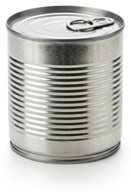 Canned sweetcorn kernel
Use the same weight, drain, and add in the last 2 minutes. Softer and slightly sweeter.
 Baby corn
Use the same weight, slice into small pieces, and blanch 3 minutes. Crunchier than sweetcorn.


- Chilli powder
Use 10 to 15% of the weight (about 1/4 teaspoon per chilli); imparts dry pungent heat and reddens the dish without the grassy crunch.
 Dried red chilli
Use 1 dried pod per fresh green chilli; snap in half and temper in hot oil for a deeper, toastier heat.


 Jaggery
Use equal weight; grate or shave finely so it dissolves rapidly, giving a warm, caramel-like sweetness and slightly darker sauce.


 Whole milk
Use equal weight; provides the standard rich dairy fat and body expected in creamy Indian bases.
- Single cream
Dilute 3 parts cream with 1 part water to match the weight; yields a richer, glossier gravy that resists curdling.
- Plain yogurt
Whisk thoroughly and use equal weight; adds extra body and a mild pleasant acidity, best added off the heat.


 Yellow split pea flour
Use 100% of the weight. Many commercial gram flours are milled from split peas; performs identically in pakora batters and kadhi.
 Cornstarch
For crisping batters or binding cutlets: use 50% to 60% of the weight. Produces a very crisp shell but lacks the earthy, roasted nutty flavour of besan.



 Lemon juice
Use equal volume or weight; slightly sweeter and less pungent, but otherwise an imperceptible swap.
 Dried mango powder
Use 25% of the weight; imparts dry, fruity sourness, best stirred in right at the end of cooking.
 Tamarind extract
Use 50% of the weight; delivers pleasant fruity tang but turns pale sauces considerably darker.


Similar dishes

- Same: Nahari also stews tender lamb with yogurt, garlic, and warm spices like black cardamom and cinnamon, using chickpea flour as a thickener.
- Different: Nahari uses pungent mustard oil instead of ghee and includes ginger paste and black pepper, but it lacks this dish's sweetcorn, milk, cumin, and lime juice.

- Same: Both curries braise lamb in a rich sauce of ghee, yogurt, and milk seasoned with cumin, black cardamom, cinnamon, cloves, turmeric, and chili powder.
- Different: Magaj Masala uses lamb brains instead of lamb meat, thickens the gravy with cashew paste rather than chickpea flour and sweetcorn, and adds ginger, fennel, and fenugreek seeds.

- Same: Bhuna Gosht (II) also slow-cooks lamb with garlic and a shared spice base of black cardamom, cinnamon, cloves, bay leaves, ground coriander, chilli powder, and turmeric.
- Different: It uses vegetable oil rather than ghee, incorporates ginger paste and fresh onions, and completely omits the milk, yogurt, chickpea flour, sugar, and lime juice used in this dish to produce a dry-roasted masala instead of a gravy.

- Same: Both are rich lamb curries cooked with black cardamom, cinnamon, and bay leaves in a yogurt-based gravy.
- Different: Rarha Meat is pot-roasted using tomatoes, ginger paste, and much more ghee or oil, while omitting the sweetcorn, milk, chickpea flour, cumin, and lime juice found in this dish.