
Lukhmi
Crisp, flaky pastry parcels encasing a savoury filling of vegetables, crumbled paneer, and tart pomegranate seeds. Fried until deeply golden, they are aromatic, tender, and rich.
Paste and chilli masala
22 gFried with the mushrooms (step 2)Finishing spices
3.4 gStirred into the filling near the end of cooking (step 3)Everything else

Method
- Place 250 g flour, 52.8 g ghee, 30 g plain yogurt, and a pinch of salt in a bowl, then knead in just enough water to yield a pliable, soft dough. Cover and refrigerate for 30 minutes.
- Warm 40.5 g vegetable oil in a frying pan over medium heat. Add the paste and chilli masala, salt to taste, and 100 g mushrooms, then stir-fry for roughly 2 minutes until the liquid released by the mushrooms completely cooks off.
- Tumble in 50 g carrots, 36–48 g green chilli, and 100 g paneer, frying for 1 minute. Add 12 g ginger, 100 g pea, and 30.6 g lemon juice, followed by the two 0.5 portions of finely chopped peppers, 3 tablespoon pomegranate seeds, 30 g coriander leaf, and the finishing spices. Stir well to combine, take the pan off the heat, and allow the filling to cool.
- Divide the chilled dough into 8 equal portions and roll each into a ball. On a surface dusted with extra flour, roll each ball into an oval, place a spoonful of filling in the centre, and fold the dough over to enclose it. Press the edges firmly to seal, then neaten the edges with a sharp knife into rectangular or triangular pastries.
- Pour vegetable oil for deep-frying into a kadhai or heavy pan and bring it to 180°C (350°F), or until a small cube of bread turns brown within 30 seconds. Lower the pastries in batches into the hot oil and fry until crisp and evenly golden brown, then transfer with a slotted spoon to drain on kitchen paper before serving.
Don't have something?


 Peanut oil
Use 1:1 by weight. Handles high-heat frying identically and introduces a very subtle, pleasant nuttiness.
 Ghee
Use 1:1 by weight. Yields a much richer, authentic aroma and a glossy, heavier mouthfeel.
 Mustard oil
Use 1:1 by weight. Heat until smoking, then cool slightly before cooking to temper its intensely pungent, sharp mustard kick.


 Fresh ginger
Use equal weight; peel and grate very finely on a microplane or pound to a fine paste in a mortar.
 Ginger
Use equal weight; mince finely and crush with the flat of a knife before frying.
 Ground ginger
Use 20% of the weight; add directly with the dry spice powders, though it yields an earthier, less pungent profile.


 Garlic
Use equal weight; crush or finely grate to a smooth pulp to replicate the same fresh, pungent moisture in your base gravy.
 Garlic powder
Use 20 to 25% of the weight; mix with a teaspoon of water before adding to oil so it does not burn, noting it lacks the fresh bite.


 Red chilli powder
Use 100% of the weight. Provides direct, sharp heat and red colour in equal measure.
 Kashmiri chilli powder
Use 150% to 200% of the weight if matching colour, but add a pinch of black pepper or hot chilli if you need equivalent fiery heat.
 Cayenne pepper
Use 75% to 100% of the weight. Offers a sharp, clean heat with slightly less earthy depth and less crimson colour.


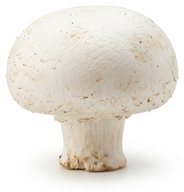
 Fresh mushroom
Use the same weight; chestnut, oyster or any cultivated mushroom behaves the same. Wipe, slice and cook a minute or two longer if they throw water.
 Canned bamboo shoots
Use the same weight, sliced and rinsed; gives a similar soft crunch in stir-fries but no mushroom flavour, so add a little soy sauce.


 Turnip
Use the same weight; peel and cut as for carrot. It is less sweet and slightly peppery, so add a pinch of sugar and expect a softer, more earthy result.
 Potato
Use the same weight; cut into similar pieces and add 5–10 minutes' extra cooking. It gives bulk but no carrot sweetness or colour.
 Courgette
Use the same weight; cut a little larger and add near the end. It releases water, so reduce other liquid slightly and expect a softer texture.


- Chilli powder
Use 10 to 15% of the weight (about 1/4 teaspoon per chilli); imparts dry pungent heat and reddens the dish without the grassy crunch.
 Dried red chilli
Use 1 dried pod per fresh green chilli; snap in half and temper in hot oil for a deeper, toastier heat.


 Extra-firm tofu
Use equal weight, pressed well to remove excess moisture and cut into cubes. Pan-fry lightly before adding; absorbs sauces similarly, though it lacks dairy sweetness.
 Halloumi
Use equal weight, soaked in warm water for 20 minutes to leach out excess salt. Holds shape during frying, but has a denser, saltier chew.


- Fresh ginger
Use equal weight; scrape off the skin and grate or finely julienne according to the recipe.
- Ginger paste
Use equal weight; stir straight into the sizzling aromatics, taking care as the extra moisture may spit.
- Ground ginger
Use 15 to 20% of the weight; add alongside ground spices, noting it imparts warm, dry heat rather than zesty freshness.


 Lime juice
Use equal volume or weight; delivers almost identical sharp acidity with a faintly more aromatic, bitter-edged profile.
 Dried mango powder
Use 25% of the weight (about 1 g amchoor for 4 g juice); provides clean fruity tartness without thinning the sauce.
 White vinegar
Use 75% of the volume; gives direct sourness without any citrus floral fragrance.


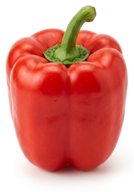
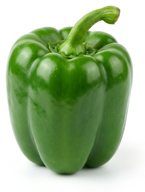 Bell pepper
Use the same weight; any colour works. Slightly less sweet if green.
 Yellow bell pepper
Use the same weight; similar sweetness and texture, only colour changes.
 Tomato
Use the same weight; it is softer and more acidic, so reduce other souring agents. Good for body, not crunch.


- Red bell pepper
Use the same weight and cook the same way. It is sweeter and turns the dish red rather than yellow.
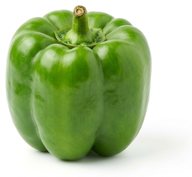 Green bell pepper
Use the same weight. It is grassier and slightly bitter, so add a pinch of sugar and cook 1–2 minutes longer.
- Courgette
Use the same weight; halve and deseed if large, and add 3–4 minutes later as it releases water. Texture will be softer.


 Pomegranate
Use the same weight of seeds from fresh fruit; about one fruit gives 100 g seeds. Deseed carefully.
 Dried pomegranate seeds
Use 20% of the weight, soak and crush; they add sourness, not fresh garnish.
 Green grape
Use the same weight, halved; good for garnish but less crunchy and less sour.


 Nigella seeds
Use the same weight; in Indian cooking this is usually the same seed. Toast lightly if the recipe asks for toasted.
- Kalonji seed
Use the same weight; it is another name for nigella. Add whole or crush lightly.
 Cumin seed
Use about 75% of the weight and toast before use; the flavour is different, more warm and less onion-like.


- Cumin seed
Dry-roast briefly and grind finely; use equal weight (1:1). Imparts an even punchier, nuttier, toasty aroma than pre-ground cumin.
 Ground coriander
Use equal weight (1:1). Adds mild, lemony sweetness rather than cumin's smoky, earthy bite; curries will taste lighter and less savoury.
- Black cumin seeds
Grind finely; use 60% to 75% of the weight. Produces a darker, more complex, smoky-herbal flavour suited to rich gravies.


 Unsalted butter
Use 120% of the weight; melt gently over low heat to avoid burning the milk solids, which will yield a softer, creamier richness rather than a nutty aroma.
- Vegetable oil
Use 85% of the weight; holds high cooking temperatures without smoking, but the final dish will lack traditional dairy depth.
- Mustard oil
Use equal weight; heat to smoking point and cool slightly before cooking, bearing in mind it introduces an assertive, pungent edge.


 Yogurt
Use equal weight, whisked thoroughly until smooth before adding to hot dishes to prevent curdling.
 Coconut milk
Use equal weight with 1 teaspoon lemon juice mixed in. Provides rich creaminess in curries, but adds a noticeable coconut flavour.
 Single cream
Use 80% of the weight plus a squeeze of lemon juice for acidity. Enriches sauces nicely, though it is richer and less tangy.


 Whole wheat flour
Use the same weight, add 10–15% more water and rest the dough for 20 minutes; the result is heavier and nuttier.
 Rice flour
Use the same weight for crisp coatings; for doughs use no more than half rice flour with wheat flour, or it will be crumbly.
 Cornflour
For thickening use half the weight, mixed with cold water; it is not suitable for bread or chapati dough.


Similar dishes
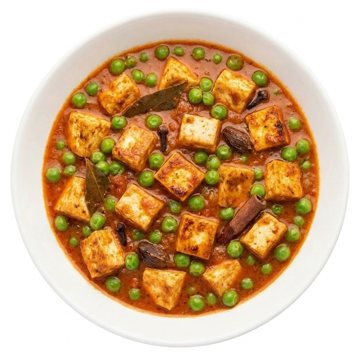
- Same: Matar Paneer shares the combination of paneer and green peas cooked with ginger, ground cumin, and chilli powder in ghee or oil.
- Different: Matar Paneer is a simmered curry seasoned with turmeric, garam masala, and whole spices like cinnamon and cloves, whereas this dish encloses the filling in a deep-fried pastry seasoned with garlic, green chillies, lemon juice, and yogurt.
- Same: Matar Paneer shares the core combination of paneer and green peas cooked with ginger, cumin, chilli powder, and ghee or vegetable oil.
- Different: Instead of being seasoned with garlic paste, black cumin seeds, and lemon juice and fried inside pastry dough, Matar Paneer is a simmered curry prepared with bay leaves, cloves, cinnamon, black cardamom, turmeric, and garam masala.

- Same: Matar-Paneer ka Paratha shares a core filling of green peas and paneer seasoned with chilli powder and coriander, cooked with oil or ghee.
- Different: Matar-Paneer ka Paratha is griddle-cooked rather than deep-fried, using garam masala, asafoetida, and sugar instead of the fresh green chillies, ginger, garlic, cumin, lemon juice, and yogurt used in this dish.

- Same: Subz Khara Masala shares carrot, peas, green chilli, ginger paste, garlic paste, coriander leaf, and yogurt with this dish.
- Different: Subz Khara Masala is a simmered yogurt-based mixed-vegetable dish with potato, cauliflower, green beans, spring onion, tomato, turmeric, dried red chilli, fenugreek leaves, and peanut oil, while this dish is a fried flour pastry filled with mushroom, paneer, bell peppers, pomegranate seeds, lemon juice, black cumin, and ghee.