Indian cooking
Indian cooking / Dishes / Kurmu Pulao
Kurmu Pulao (Jackfruit Pulao)

Kurmu Pulao

Jackfruit Pulao
Vegetarian●●●Origin HyderabadPrep 25 minutes, plus soaking timeCook 45–50 minutes

A fragrant, layered baked rice dish featuring tender jackfruit, sweet vegetables, and basmati rice infused with coconut milk and whole aromatics.

jackfruit spice

5 gTossed with the boiled jackfruit in step 2
01
5 g2 teaspoons
spice
Weigh out the ground cumin.

tempering seeds

3.3 gFried with sliced onions in step 3
01
3.3 g1 teaspoon
spice
Keep whole for frying.

rice spices

3.6 gFried in the pot before adding the rice in step 6
01
0.4 g6 cloves
spice
03
1.3 g1 piece
spice
04
1.5 g½ teaspoon
spice
Combine the whole spices with the turmeric powder; keep ready to fry together.

finishing cardamom

0.4 gScattered over the layered pulao before baking in step 8
01
0.4 g2 pods
spice
Grind finely.

Everything else

01
5000 g1 jackfruit
fruit
02
Vegetable oil · Telplus extra for oiling
40 g3 tablespoons
oil/fat
04
600 g4 onions
vegetable
05
2 g1 teaspoon
aromatic
06
Green chilli · Hari Mirchde-seeded and chopped
36 g6 chillies
vegetable
08
2.5–3.8 g10–15 leaves
herb
09
Green chilli · Hari Mirchslit in half lengthways and de-seeded
36 g6 chillies
vegetable
11
9 g2 teaspoons
oil/fat
12
Carrot · Gajarcut into cubes
60 g1 carrot
vegetable
13
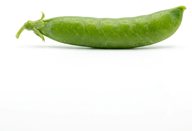
Pea · Matarshelled if fresh
50 g
vegetable
14
30 g1 lime
souring agent
15
~100 g1 bunch
herb
16
to taste
salt

Method

  1. Oil your hands and knife to handle the sticky latex, then peel 1 jackfruit, discard the central core and seeds, and chop the flesh into 2.5 cm (1-inch) pieces.
  2. Bring a large pan of salted water (about 750 ml to 1 litre) to a boil, submerge the jackfruit, cover, and simmer for 10–15 minutes until tender. Drain thoroughly and transfer to a bowl.
  3. Toss the warm jackfruit with 5.1 g desiccated coconut, 100 g of the 600 g sliced onion, 2 g sliced ginger, 36 g chopped green chilli, and the jackfruit spice.
  4. Warm about 30 ml of the 40.5 g vegetable oil in a skillet over medium-low heat. Add the tempering seeds and 100 g of the sliced onion, frying for around 5 minutes until golden brown. Stir this into the jackfruit bowl and sauté the mixture in the pan for 2–3 minutes, then set aside.
  5. Soak 400 g basmati rice in water for 20 minutes, then drain thoroughly. Preheat the oven to 140°C (275°F).
  6. Heat the remaining vegetable oil in a deep, heavy, ovenproof pot over medium heat. Fry the remaining 400 g sliced onion for about 5 minutes until richly browned, then lift out and reserve.
  7. In the same hot oil, fry the rice spices and 2.5–3.8 g curry leaf for 1 minute. Add 36 g slit green chillies and cook gently for 1–2 minutes, then stir in the drained rice and fry for 3–5 minutes until the grains turn translucent.
  8. Combine 507 g coconut milk with 500 ml boiling water and pour over the rice—the liquid should rise roughly 5 cm above the surface, so add extra water if needed. Stir in half the ghee (4.4 g of the 8.8 g total), 1 diced carrot, 50 g peas, and salt to taste. Cover and simmer for 10 minutes until half-cooked, then take off the heat.
  9. Scoop out half of the par-cooked rice. Spread the seasoned jackfruit evenly over the bottom layer, then top with the reserved rice. Drizzle over 1 lime juice and the remaining 4.4 g ghee, then scatter the reserved fried onions, the finishing cardamom, and 100 g chopped coriander leaf over the top.
  10. Cover the pot tightly with a lid or foil and bake in the oven at 140°C (275°F) for 20–25 minutes until the rice is fully tender and fragrant.

Don't have something?

Jackfruit
  • Ripe mango

    Use the same weight, chopped. It is softer and more acidic, so add it late in cooking or use raw in desserts.

  • Canned pineapple

    Use the same weight, drained and chopped. It is more tart and firm; simmer briefly if the recipe is cooked.

  • Banana

    Use the same weight, sliced. It is much softer and sweeter, so fold in at the end rather than cooking long.

Vegetable oil
  • Peanut oil

    Use 1:1 by weight. Handles high-heat frying identically and introduces a very subtle, pleasant nuttiness.

  • Ghee

    Use 1:1 by weight. Yields a much richer, authentic aroma and a glossy, heavier mouthfeel.

  • Mustard oil

    Use 1:1 by weight. Heat until smoking, then cool slightly before cooking to temper its intensely pungent, sharp mustard kick.

Desiccated coconut
  • Grated desiccated coconut

    Use equal weight directly; it is the identical ingredient under a different label.

  • Fresh coconut

    Grate finely and use 130% to 140% of the weight to compensate for higher moisture; toast gently in a dry pan over low heat if a dry texture is needed.

  • Dried coconut

    Grate finely using a microplane and use equal weight. Offers a slightly oilier, toastier coconut profile.

Onion
  • Shallot

    Use equal weight, finely sliced. Shallots soften and brown faster, giving a slightly sweeter and more delicate base to curries.

  • Cabbage

    Use 80% of the weight, finely shredded and browned slowly with a pinch of asafoetida. Replicates the bulk and natural sweetness in gravies without allium.

Fresh ginger
  • Ginger paste

    Use equal weight. Sauté in hot fat until the raw allium smell disappears; slightly wetter, but provides identical warmth and pungency.

  • Ground ginger

    Use 20% to 25% of the weight (1 g for every 4 to 5 g fresh). Stir into the gravy; adds peppery heat and warmth, though it misses the crisp, zesty kick of raw root.

Ground cumin
  • Cumin seed

    Dry-roast briefly and grind finely; use equal weight (1:1). Imparts an even punchier, nuttier, toasty aroma than pre-ground cumin.

  • Ground coriander

    Use equal weight (1:1). Adds mild, lemony sweetness rather than cumin's smoky, earthy bite; curries will taste lighter and less savoury.

  • Black cumin seeds

    Grind finely; use 60% to 75% of the weight. Produces a darker, more complex, smoky-herbal flavour suited to rich gravies.

Green chilli
  • Chilli powder

    Use 10 to 15% of the weight (about 1/4 teaspoon per chilli); imparts dry pungent heat and reddens the dish without the grassy crunch.

  • Dried red chilli

    Use 1 dried pod per fresh green chilli; snap in half and temper in hot oil for a deeper, toastier heat.

Mustard seed
  • Black mustard seed

    Use the same weight. The seeds are smaller and hotter; fry in hot oil until they pop, about 20–30 seconds, and reduce the heat if they darken too fast. The dish will be a little sharper.

  • Yellow mustard seeds

    Use the same weight. They are milder and larger; fry a few seconds longer until they pop. The finished dish will have less pungency.

  • Ground mustard seed

    Use 70% of the weight of whole seed, added with the other ground spices rather than fried whole. You lose the popping texture and the heat comes through more evenly.

Basmati rice
  • Plain boiled rice

    Use 2.5 times the weight if substituting pre-cooked rice. Fold in gently at the end of the recipe; grains will be shorter and less fragrant.

Curry leaf
  • Bay leaf

    Fry 1 bay leaf for every 5 curry leaves in hot oil; imparts a warm, woodsy background note, but misses the citrus-sulphury punch entirely.

  • Lime juice

    Add a small squeeze (about 5 ml per sprig of curry leaves) right before serving; provides sharp citrus top notes without the toasty, herbal aroma.

Clove
  • Ground cloves

    Use 1 g ground for 4 g whole (or 1 small pinch per 2 to 3 whole cloves). Add with spice powders; disperses intense warmth quickly, so use with restraint.

  • Allspice berries

    Use 100% of the weight whole in tempering. Imparts a warm, clove-like aromatic profile combined with hints of nutmeg and cinnamon.

  • Black cardamom pod

    Use 1 pod for 3 to 4 cloves in whole tempering. Shares a camphor-like warmth and medicinal depth, though it introduces a distinct smoky undertone.

Green cardamom pod
  • Green cardamom seed

    Use 35 to 40% of the total pod weight; lightly bruise the seeds before frying in oil to release their essential oils.

  • Ground green cardamom

    Use 20 to 25% of the pod weight (about 1 generous pinch per pod); stir in toward the end of cooking so the delicate floral notes do not dissipate.

  • White cardamom pod

    Use 1:1 by pod count or weight; crack gently before using, though it is slightly less intensely floral.

Cassia bark
  • Ceylon cinnamon

    True cinnamon: thinner, papery quills, milder and sweeter. Use about 1.5 times the weight, and taste.

  • Ground cinnamon (cassia)

    Use about a third of the weight (0.5 g ground for a 2.5 cm piece), stirred in with the ground spices rather than fried whole, since the powder burns quickly.

  • Cassia buds

    Use 60-70% of the weight; stronger and more peppery, so taste before adding more.

Ground turmeric
  • Ground ginger

    Use 50% of the weight. Mimics turmeric's warm, earthy, rhizome background, but provides none of the golden-yellow colour.

  • Saffron

    Steep a tiny pinch (0.1 g per 2 g turmeric) in 2 tbsp warm water; use to match the rich golden hue. Contributes an aristocratic, honeyed floral flavour rather than earthy bitterness.

Coconut milk
  • Single cream

    Use equal weight; simmer gently over low heat to prevent curdling. Imparts a comparable rich texture, though it adds dairy richness without any coconut fragrance.

  • Cashew paste

    Whisk 1 part cashew paste with 2 parts water to match the consistency, then use equal weight. Provides a thick, velvety body without coconut flavour.

  • Whole milk

    Use equal weight, but reduce other cooking liquids by 20% to compensate for the lower viscosity. The curry will be lighter and lack sweetness.

Ghee
  • Unsalted butter

    Use 120% of the weight; melt gently over low heat to avoid burning the milk solids, which will yield a softer, creamier richness rather than a nutty aroma.

  • Vegetable oil

    Use 85% of the weight; holds high cooking temperatures without smoking, but the final dish will lack traditional dairy depth.

  • Mustard oil

    Use equal weight; heat to smoking point and cool slightly before cooking, bearing in mind it introduces an assertive, pungent edge.

Carrot
  • Turnip

    Use the same weight; peel and cut as for carrot. It is less sweet and slightly peppery, so add a pinch of sugar and expect a softer, more earthy result.

  • Potato

    Use the same weight; cut into similar pieces and add 5–10 minutes' extra cooking. It gives bulk but no carrot sweetness or colour.

  • Courgette

    Use the same weight; cut a little larger and add near the end. It releases water, so reduce other liquid slightly and expect a softer texture.

Pea
  • Green pea

    Use equal weight directly from fresh or frozen. Toss into the pan near the end of cooking to preserve sweetness and bright green colour.

  • Chana dal

    Use 70% of the weight, boiled until tender but holding shape. Adds pleasant body and starch, though it lacks the juicy sweetness of fresh peas.

Lime juice
  • Lemon juice

    Use equal volume or weight; slightly sweeter and less pungent, but otherwise an imperceptible swap.

  • Dried mango powder

    Use 25% of the weight; imparts dry, fruity sourness, best stirred in right at the end of cooking.

  • Tamarind extract

    Use 50% of the weight; delivers pleasant fruity tang but turns pale sauces considerably darker.

Coriander leaf
  • Coriander

    Use equal weight finely chopped; this is the exact same fresh herb.

  • Mint

    Use half the weight finely chopped; provides vibrant green freshness, though the flavour profile becomes noticeably cooler and sharper.

Similar dishes

Bhagara Bhaath
Fried Savoury Rice
Bhagara Bhaath has a rich, buttery, and mildly spiced profile rather than the creamy, herbal, and spicy-sour taste of this dish.
  • Same: Both dishes cook basmati rice with sliced onions, ginger, and whole warm spices including green cardamom, cinnamon, and cloves.
  • Different: Bhagara Bhaath is fried and steamed purely in ghee with garlic, omitting this dish's coconut milk, peas, green chillies, curry leaves, and lime juice.
Zafrani Pulao
Saffron Rice
Zafrani Pulao tastes delicate and floral from the saffron, lacking the heavy coconut richness, fiery green chillies, and tart lime juice of this dish.
  • Same: Both dishes are aromatic rice preparations cooked with ghee, onions, turmeric, cinnamon, cloves, and green cardamom.
  • Different: Zafrani Pulao features saffron and garlic, but omits this dish's jackfruit, peas, coconut milk, mustard seeds, curry leaves, and lime juice.
Kurmo Pachadi
Jackfruit Pickle
Kurmo Pachadi tastes tangy from amchoor and pungent from mustard and nigella with warming chilli, whereas this dish tastes fragrant and creamy from coconut milk rice with sweet vegetables and a lime sour note.
  • Same: Kurmo Pachadi shares jackfruit, vegetable oil, mustard seed, ground cumin, ground turmeric, and salt with this dish.
  • Different: Kurmo Pachadi is a preserved pickle made with amchoor, nigella seeds, and chilli powder, while this dish is a baked basmati rice pulao with coconut milk, ghee, onion, green chilli, curry leaf, clove, cardamom, cinnamon, carrot, peas, lime juice, and coriander.
Murga ka Safed Pulao
White Chicken Pulao
Murga ka Safed Pulao tastes pale, creamy, buttery, and mild with lime and green chilli, while this dish tastes coconutty, sweeter from jackfruit and vegetables, and more aromatic from mustard, cumin, curry leaf, and turmeric.
  • Same: Murga ka Safed Pulao shares basmati rice, clove, green cardamom, cinnamon, green chilli, lime juice, coriander leaf, and an oven finish with this dish.
  • Different: Murga ka Safed Pulao uses chicken, whole milk, butter, ginger paste, garlic paste, peas, and hard-boiled egg, while this dish uses jackfruit, coconut milk, vegetable oil, ghee, mustard seed, cumin, curry leaf, turmeric, carrot, and desiccated coconut.