Indian cooking
Indian cooking / Dishes / Kurmo Pachadi
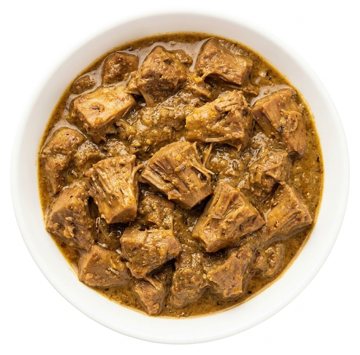
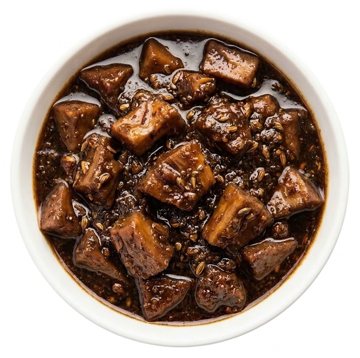
Kurmo Pachadi (Jackfruit Pickle)

Kurmo Pachadi

Jackfruit Pickle
Vegetarian●●●Origin Tamil NaduPrep 25–30 minutes, plus cooling timeMakes 1kg / 2¼lb

A robust, tangy raw jackfruit pickle infused with tart amchoor, warming chilli, and the distinct pungency of mustard and nigella seeds. Preserved in oil, it matures over two weeks into a richly spiced condiment.

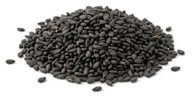
Tempering seeds

20 gFried in oil (step 2)
01
20 g2 tablespoons
spice
Keep whole to fry in the oil.

Pickling spices

100 gTossed with the salted jackfruit (step 3)
01
18 g2 tablespoons
spice
02
23 g3 tablespoons
spice
03
27 g3 tablespoons
spice
04
8 g1 tablespoon
souring agent
05
23 g3 tablespoons
spice
Stir together until evenly combined.

Everything else

01
Jackfruit · Kathalpeeled and de-seeded wearing gloves, and cut into 2.5-cm / 1-inch pieces, seeds reservedSee the glossary: Wearing gloves →
1000 g
fruit
02
342 g375 ml
oil/fat
03
to taste
salt

Method

  1. Bring 1 litre of water to a boil in a large pan with a pinch of salt. Add 1000 g jackfruit and its reserved seeds, boil for 2 minutes, then drain thoroughly and pat dry on a clean kitchen towel.
  2. Transfer the dry jackfruit and seeds to a wide bowl, season to taste with salt, and rub it thoroughly into the pieces.
  3. Heat about 15 g of the 342 g vegetable oil in a frying pan over medium heat. Add the tempering seeds and stir-fry for 1 to 2 minutes until they begin to darken, then take the pan off the heat and let the oil cool completely.
  4. Add the pickling spices and the cooled mustard seeds with their oil to the bowl of jackfruit, mixing thoroughly so every piece is evenly coated.
  5. Heat the remaining vegetable oil in a saucepan over medium heat until warm, then remove from the heat and leave to cool slightly.
  6. Pack the seasoned jackfruit tightly into sterilised glass jars. Pour the warm oil over the top until the jackfruit is completely submerged, seal with airtight lids, and allow to mature for 2 weeks before serving.

Don't have something?

Ground turmeric
  • Ground ginger

    Use 50% of the weight. Mimics turmeric's warm, earthy, rhizome background, but provides none of the golden-yellow colour.

  • Saffron

    Steep a tiny pinch (0.1 g per 2 g turmeric) in 2 tbsp warm water; use to match the rich golden hue. Contributes an aristocratic, honeyed floral flavour rather than earthy bitterness.

Jackfruit
  • Ripe mango

    Use the same weight, chopped. It is softer and more acidic, so add it late in cooking or use raw in desserts.

  • Canned pineapple

    Use the same weight, drained and chopped. It is more tart and firm; simmer briefly if the recipe is cooked.

  • Banana

    Use the same weight, sliced. It is much softer and sweeter, so fold in at the end rather than cooking long.

Vegetable oil
  • Peanut oil

    Use 1:1 by weight. Handles high-heat frying identically and introduces a very subtle, pleasant nuttiness.

  • Ghee

    Use 1:1 by weight. Yields a much richer, authentic aroma and a glossy, heavier mouthfeel.

  • Mustard oil

    Use 1:1 by weight. Heat until smoking, then cool slightly before cooking to temper its intensely pungent, sharp mustard kick.

Mustard seed
  • Black mustard seed

    Use the same weight. The seeds are smaller and hotter; fry in hot oil until they pop, about 20–30 seconds, and reduce the heat if they darken too fast. The dish will be a little sharper.

  • Yellow mustard seeds

    Use the same weight. They are milder and larger; fry a few seconds longer until they pop. The finished dish will have less pungency.

  • Ground mustard seed

    Use 70% of the weight of whole seed, added with the other ground spices rather than fried whole. You lose the popping texture and the heat comes through more evenly.

Ground cumin
  • Cumin seed

    Dry-roast briefly and grind finely; use equal weight (1:1). Imparts an even punchier, nuttier, toasty aroma than pre-ground cumin.

  • Ground coriander

    Use equal weight (1:1). Adds mild, lemony sweetness rather than cumin's smoky, earthy bite; curries will taste lighter and less savoury.

  • Black cumin seeds

    Grind finely; use 60% to 75% of the weight. Produces a darker, more complex, smoky-herbal flavour suited to rich gravies.

Nigella seeds
  • Black cumin seeds

    Use equal weight. Imparts an earthy, slightly bitter note in temperings, though it lacks nigella's oniony sharpness.

  • Black sesame seeds

    Use equal weight. Gives a similar speckled appearance and light crunch on breads, but provides a nutty rather than herbaceous, onion-like flavour.

Amchoor
  • Lemon juice

    Use 15 g (1 tbsp) for every 5 g of amchoor. Stir in at the very end off the heat; adds liquid and fresh citrus aroma rather than dry fruity tang.

  • Tamarind extract

    Use 75% of the weight, dissolved in a splash of warm water. Simmer briefly; darkens the gravy and provides a deeper, caramelised sourness.

Chilli powder
  • Red chilli powder

    Use 100% of the weight. Provides direct, sharp heat and red colour in equal measure.

  • Kashmiri chilli powder

    Use 150% to 200% of the weight if matching colour, but add a pinch of black pepper or hot chilli if you need equivalent fiery heat.

  • Cayenne pepper

    Use 75% to 100% of the weight. Offers a sharp, clean heat with slightly less earthy depth and less crimson colour.

Similar dishes

Kathhal ki Subzi
Braised Jackfruit with Yoghurt Sauce
Kathhal ki Subzi is creamier, milder, and less sharp than this intensely tart, pungent, and oil-heavy pickle.
  • Same: Kathhal ki Subzi also features jackfruit cooked in vegetable fat and seasoned with amchoor, chilli powder, cumin, and turmeric.
  • Different: Instead of raw jackfruit preserved in oil with pungent mustard and nigella seeds, Kathhal ki Subzi is browned and braised into a curry with plain yogurt, ground coriander, asafoetida, and garam masala.
Kathhal ka Meetha Achar
Sweet Jackfruit Pickle
Kathhal ka Meetha Achar is distinctly sweet and tangy from the jaggery and vinegar, whereas this dish is savory, pungent, and oily.
  • Same: Both recipes are jackfruit pickles seasoned with chilli powder and salt.
  • Different: Kathhal ka Meetha Achar preserves the jackfruit in a fat-free jaggery and malt vinegar syrup with aniseed, coriander, and ginger, whereas this dish uses vegetable oil, amchoor, mustard seeds, cumin, turmeric, and nigella seeds.
Kurmu Pulao
Jackfruit Pulao
Kurmu Pulao is creamy, fragrant, and mildly spiced from coconut milk and warm aromatics, whereas this dish is intensely sour, sharp, and pungent.
  • Same: Kurmu Pulao also features jackfruit seasoned with mustard seeds, ground cumin, turmeric, and vegetable oil.
  • Different: Instead of an oil-cured raw pickle seasoned with amchoor and nigella seeds, it is a baked rice dish cooked with basmati rice, coconut milk, ghee, onions, peas, and whole sweet spices.
Chooran ke Karele
Tangy Deep-fried Bitter Gourds
Chooran ke Karele tastes crisp, tart and earthy-bitter, while this dish tastes tangy, pungent from mustard and nigella, and warming from chilli.
  • Same: Chooran ke Karele shares amchoor, nigella seeds, chilli powder, turmeric, salt and vegetable oil with this dish.
  • Different: Chooran ke Karele uses bitter gourd, fennel and coriander seeds and is deep-fried, while this dish uses jackfruit, mustard seed and cumin and is oil-preserved to mature for two weeks.