Indian cooking
Indian cooking / Dishes / Kande Batatyatli Machhi
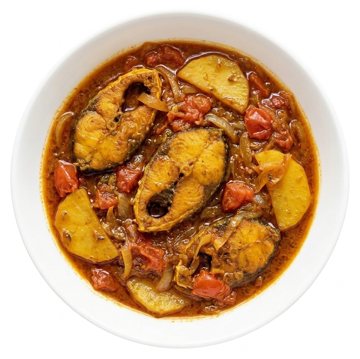
Kande Batatyatli Machhi (Shellfish in Onion Masala)

Kande Batatyatli Machhi

Shellfish in Onion Masala
Non-vegetarian●●●Origin CoastalPrep 25 minutes, plus marinating timeCook 25 minutes

A fragrant Konkani seafood curry of mussels or clams simmered with potatoes, onions, and warming spices in a light, savoury gravy.

Marinade spices

4.3 gRubbed over the shellfish (step 2)
01
3 g1 teaspoon
spice
02
1.3 g½ teaspoon
spice
Stir together with the lime juice to form a paste.

Whole spices

1.4 gFried in the hot oil (step 4)
01
0.1 g2 cloves
spice
02
1.3 g1 piece
spice
Leave whole; they go into the hot oil together.

Ground spices

1.7 gStirred into the aromatics (step 3)
02
0.5 g¼ teaspoon
spice
03
0.7 g¼ teaspoon
spice
Mix with 2 tablespoons of water into a smooth paste.

Everything else

02
14 g1 tablespoon
oil/fat
03
2 g1 teaspoon
aromatic
04
Garlic · Lehsunfinely chopped
3 g1 teaspoon
aromatic
05
Green chilli · Hari Mirchde-seeded and chopped
12 g2 chillies
vegetable
06
300 g2 onions
vegetable
07
Potato · Aloocut into cubes
300 g1 potato
vegetable
09
120 g1 tomato
vegetable
10
14 g1 tablespoon
liquid
11
to taste
salt
12
5 g1 teaspoon
souring agent

Method

  1. Rinse 750 g shellfish thoroughly in cold water to clear away any sand or grit; leave in or remove the shells as you prefer.
  2. Combine the marinade spices with 5.1 g lime juice and a pinch of salt to taste, rub the mixture thoroughly over the shellfish, then cover and refrigerate for 20 minutes.
  3. Blend the ground spices with 2 tablespoons of water in a small dish to make a paste.
  4. Place a heavy pan over high heat and warm 13.5 g vegetable oil. Add 2 g grated ginger, 1 teaspoon chopped garlic, and the whole spices, frying for roughly 1 minute until the spices begin to splutter.
  5. Tip in 12 g chopped green chilli and the ground spices paste, stirring constantly for 30 seconds. Add 300 g sliced onion and sauté for 2 minutes until translucent.
  6. Stir in 300 g diced potato, 1 teaspoon sugar or jaggery, salt to taste, and 250 ml water. Turn the heat down to low, cover, and simmer for 10 minutes.
  7. Add the marinated shellfish along with any resting juices, 120 g skinned tomato, and 125 ml water. Cover and continue simmering for another 10 minutes until the sauce has thickened.
  8. Scatter 0.3 g ground mace over the curry, take the pan off the heat, and mix in 1 tablespoon coconut feni.

Don't have something?

Mussel or clam
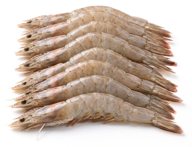
  • Prawn

    Use the same weight, shelled; add in the last 2-3 minutes until pink. Texture is firmer and less briny.

  • Small prawn

    Use the same weight; they cook very quickly, so add at the end and do not simmer long.

  • Firm white fish fillet

    Use the same weight, cut into chunks; add 3-4 minutes before serving. Less briny, so taste and add salt.

Ground green cardamom
  • Green cardamom seed

    Grind freshly extracted inner black seeds finely; use equal weight (1:1). Greatly superior aroma with potent eucalyptus and citrus notes.

  • Green cardamom pod

    Lightly crack whole pods and simmer them in the gravy; use 150% of the weight of ground cardamom. Fish out the pods before serving.

  • Ground nutmeg

    Use 50% of the weight. Delivers warm, sweet aroma, but lacks cardamom's cooling, citrusy top notes.

Ground coriander
  • Coriander seeds

    Dry-roast lightly in a pan and grind to a fine powder; use equal weight (1:1). Offers a noticeably fresher, brighter citrus note.

  • Ground cumin

    Use 50% to 75% of the weight. Lacks the floral, citrusy profile of coriander and turns the gravy heavier, earthier, and darker.

  • Garam masala

    Use 50% of the weight and stir in near the end of cooking. Adds warmth and depth since it contains ground coriander, but introduces stronger spices like clove and cinnamon.

Ground cumin
  • Cumin seed

    Dry-roast briefly and grind finely; use equal weight (1:1). Imparts an even punchier, nuttier, toasty aroma than pre-ground cumin.

  • Ground coriander

    Use equal weight (1:1). Adds mild, lemony sweetness rather than cumin's smoky, earthy bite; curries will taste lighter and less savoury.

  • Black cumin seeds

    Grind finely; use 60% to 75% of the weight. Produces a darker, more complex, smoky-herbal flavour suited to rich gravies.

Vegetable oil
  • Peanut oil

    Use 1:1 by weight. Handles high-heat frying identically and introduces a very subtle, pleasant nuttiness.

  • Ghee

    Use 1:1 by weight. Yields a much richer, authentic aroma and a glossy, heavier mouthfeel.

  • Mustard oil

    Use 1:1 by weight. Heat until smoking, then cool slightly before cooking to temper its intensely pungent, sharp mustard kick.

Fresh ginger
  • Ginger paste

    Use equal weight. Sauté in hot fat until the raw allium smell disappears; slightly wetter, but provides identical warmth and pungency.

  • Ground ginger

    Use 20% to 25% of the weight (1 g for every 4 to 5 g fresh). Stir into the gravy; adds peppery heat and warmth, though it misses the crisp, zesty kick of raw root.

Garlic
  • Garlic paste

    Use equal weight. Fry gently in oil or ghee with the ginger; incorporates smoothly into curries without visible minced bits.

  • Garlic powder

    Use 15% to 20% of the weight (about 1 g for every 5 to 6 g fresh cloves). Whisk into sauces; gives a savoury, toasted garlic flavour without raw pungency.

  • Shallot

    Use 1.5 times the weight, very finely minced. Sauté until golden; provides savoury allium sweetness, though it lacks garlic's pungent sulphur bite.

Clove
  • Ground cloves

    Use 1 g ground for 4 g whole (or 1 small pinch per 2 to 3 whole cloves). Add with spice powders; disperses intense warmth quickly, so use with restraint.

  • Allspice berries

    Use 100% of the weight whole in tempering. Imparts a warm, clove-like aromatic profile combined with hints of nutmeg and cinnamon.

  • Black cardamom pod

    Use 1 pod for 3 to 4 cloves in whole tempering. Shares a camphor-like warmth and medicinal depth, though it introduces a distinct smoky undertone.

Cassia bark
  • Ceylon cinnamon

    True cinnamon: thinner, papery quills, milder and sweeter. Use about 1.5 times the weight, and taste.

  • Ground cinnamon (cassia)

    Use about a third of the weight (0.5 g ground for a 2.5 cm piece), stirred in with the ground spices rather than fried whole, since the powder burns quickly.

  • Cassia buds

    Use 60-70% of the weight; stronger and more peppery, so taste before adding more.

Green chilli
  • Chilli powder

    Use 10 to 15% of the weight (about 1/4 teaspoon per chilli); imparts dry pungent heat and reddens the dish without the grassy crunch.

  • Dried red chilli

    Use 1 dried pod per fresh green chilli; snap in half and temper in hot oil for a deeper, toastier heat.

Onion
  • Shallot

    Use equal weight, finely sliced. Shallots soften and brown faster, giving a slightly sweeter and more delicate base to curries.

  • Cabbage

    Use 80% of the weight, finely shredded and browned slowly with a pinch of asafoetida. Replicates the bulk and natural sweetness in gravies without allium.

Potato
  • Eggplant

    Use equal weight. Cut into large chunks; cooks down much faster (10-12 minutes) and softens into the sauce rather than staying starchy and firm.

  • Paneer

    Use 80% of the weight. Cube and add in the last 5-10 minutes of cooking; adds rich dairy protein instead of starchy bulk.

  • Dried chickpea

    Use 45% dry weight. Soak overnight and boil until fully soft before stirring into the sauce to simmer for 10 minutes.

Crumbled jaggery or soft brown sugar
  • Jaggery

    Use the same weight, grated or crumbled. Same deep, molasses-like sweetness.

  • Brown sugar

    Use the same weight. Soft brown sugar is closest; slightly milder.

  • Demerara sugar

    Use the same weight. Drier and less molasses; dissolve in a little hot water first.

Tomato
  • Tomato purée

    Use 40% to 50% of the fresh tomato weight mixed with a splash of water. Imparts a deeper red colour, thicker sauce, and slightly sweeter cooked flavour.

  • Plain yogurt

    Use 60% of the weight, whisked smooth and added on low heat. Provides rich body and sourness, though the gravy becomes paler and creamier.

Ground mace or nutmeg
  • Ground nutmeg

    Use the same weight; if the recipe means mace, nutmeg is slightly sweeter and stronger.

  • Ground mace

    Use the same weight; if the recipe means nutmeg, mace is softer and more delicate.

  • Nutmeg

    Grate the same weight fresh; it is more pungent and aromatic.

Coconut feni
  • Brandy or rum

    Use 80% of the weight; it has similar strength but none of feni's coconut funk. Add a little coconut milk if the flavour matters.

  • Dark rum

    Use 75–80% of the weight; sweeter and molasses-heavy, so reduce any added sugar.

Ground turmeric
  • Ground ginger

    Use 50% of the weight. Mimics turmeric's warm, earthy, rhizome background, but provides none of the golden-yellow colour.

  • Saffron

    Steep a tiny pinch (0.1 g per 2 g turmeric) in 2 tbsp warm water; use to match the rich golden hue. Contributes an aristocratic, honeyed floral flavour rather than earthy bitterness.


Chilli powder
  • Red chilli powder

    Use 100% of the weight. Provides direct, sharp heat and red colour in equal measure.

  • Kashmiri chilli powder

    Use 150% to 200% of the weight if matching colour, but add a pinch of black pepper or hot chilli if you need equivalent fiery heat.

  • Cayenne pepper

    Use 75% to 100% of the weight. Offers a sharp, clean heat with slightly less earthy depth and less crimson colour.

Lime juice
  • Lemon juice

    Use equal volume or weight; slightly sweeter and less pungent, but otherwise an imperceptible swap.

  • Dried mango powder

    Use 25% of the weight; imparts dry, fruity sourness, best stirred in right at the end of cooking.

  • Tamarind extract

    Use 50% of the weight; delivers pleasant fruity tang but turns pale sauces considerably darker.

Similar dishes

Year Chapa
Fried Fish in Tomato Sauce
Year Chapa tastes richer and more heavily tomato-driven, lacking the citrus tang, fresh chilli bite, and sweet clove-cardamom aromatics of this dish.
  • Same: Year Chapa also pairs fish and potatoes with onions, tomatoes, and vegetable oil, seasoned with ginger, garlic, cumin, coriander, turmeric, and chilli powder.
  • Different: Year Chapa deep-fries fish instead of simmering shellfish, relies on a much higher proportion of tomatoes and oil, and omits the green chillies, lime juice, cinnamon, cloves, and cardamom found in this dish.
Dhyatle Sukha
Dried Fish with Yoghurt
Dhyatle Sukha tastes more tangy from yogurt and lime and nutty from sesame, with a dried-fish savory note, while this dish tastes more onion-tomato based, lightly sweet from jaggery, and aromatic with whole spices and coconut feni.
  • Same: Dhyatle Sukha shares with this dish a coastal seafood curry base with potato, ginger, garlic, green chilli, turmeric, cumin, lime juice, vegetable oil, and salt.
  • Different: Dhyatle Sukha uses rehydrated dried Bombay duck, sesame seeds, and a large amount of yogurt as its sauce, while this dish uses fresh mussels or clams, onion, tomato, coconut feni, jaggery, and whole warm spices such as cardamom, clove, cinnamon, and mace.
Aloo ka Qorma
Braised Potatoes
It tastes richer, creamier, and tangier from the yogurt and poppy seeds, lacking the briny seafood flavor and savory onion base of this dish.
  • Same: Aloo ka Qorma shares potatoes cooked with tomatoes, ginger, garlic, green chillies, lime juice, and warm spices like cinnamon, cloves, cardamom, turmeric, and coriander with this dish.
  • Different: Unlike this dish, Aloo ka Qorma omits shellfish, cumin, and onions, instead braising the potatoes with yogurt, poppy seeds, fresh coriander leaves, and substantially more oil or ghee.
Maachher Jhol
Spicy Fish with Vegetables
Maachher Jhol has a sharp, pungent flavor from mustard oil and five-spice with a touch of sweetness, lacking the bright citrus tang, fresh ginger-garlic heat, and sweet aromatic spice of this dish.
  • Same: Both are light seafood curries centered on potatoes and seasoned with ground cumin, coriander, turmeric, and chilli.
  • Different: Maachher Jhol uses finfish and drumsticks stewed in mustard oil with paanch phoren, bay leaves, and asafoetida, whereas this dish uses shellfish cooked in vegetable oil with onions, tomatoes, ginger, garlic, whole warming spices, and lime juice.