Indian cooking
Indian cooking / Dishes / Goan Fish Ambotik
Goan Fish Ambotik (Hot & Sour Fish Curry)

Goan Fish Ambotik

Hot & Sour Fish Curry
Non-vegetarianOrigin Goa

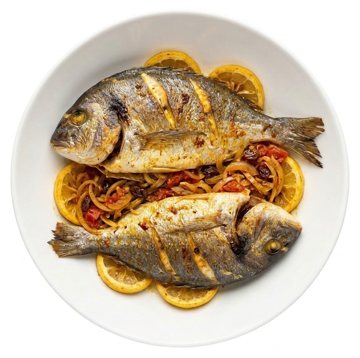
A Goan white fish curry with a hot, sour and lightly sweet tomato-onion sauce, powered by a roasted Kashmiri chilli paste. Tamarind and vinegar supply the sour note, while sugar softens the heat.

Fish marinade spices

1.5 gRubbed into the fish at the start (step 1)
01
1.5 g½ teaspoon
spice
Mix with the salt and rub over the fish; leave while you make the paste.

Chilli paste spices

22 gDry-roasted and ground for the chilli paste (step 2)
01
2.1 g1 teaspoon
spice
02
5 g1 tablespoon
spice
04
0.3 g4 cloves
spice
Dry-roast the cumin, coriander and chillies, cool, then grind with the clove to a fine powder.

Everything else

01
Sea bream or haddockcut into steaks with the centre bone intact (any white fish works well here)
650 g
fish
02
~0.3 gpinch
salt
03
Tomato · Tamatarroughly chopped
100 g
vegetable
04
31 g2 tablespoons
vegetable
05
40 g3 tablespoons
oil/fat
06
120 g
vegetable
07
497 g500 ml
liquid
08
8 g2 teaspoons
sweetener
09
to taste
salt
10
3 g½ teaspoon
souring agent
11
Coriander · Dhaniachopped, to garnish
to taste
herb
12
18 g6 cloves
aromatic
13
Fresh ginger · Adrakroughly chopped
4 g1 cm
aromatic
14
30 g2 tablespoons
souring agent

Method

  1. Rub 650 g sea bream or haddock steaks with the fish marinade spices and 0.3 g salt. Set aside.
  2. Dry-roast the chilli paste spices, using the 2.1 g cumin seed, 5.1 g coriander seeds and 15 g dried kashmiri chilli, in a frying pan over low heat for 6–8 minutes, stirring often, until fragrant and a shade darker. Turn off the heat and leave to cool. Grind with 0.3 g clove to a fine powder.
  3. Blend 18 g garlic, 2 g ginger root, 30 g malt vinegar and 60 g of the 497 g water until smooth. Stir in the ground chilli paste spices to make the chilli paste; set aside.
  4. Blend 100 g tomato and 31.2 g tomato purée to a smooth paste.
  5. Heat 40.5 g vegetable oil in a heavy-based saucepan over medium heat. Add 120 g white onion and fry for 10–12 minutes, stirring, until it starts to colour.
  6. Add the tomato paste and fry for 4 minutes. Stir in the prepared chilli paste and fry for 4–5 minutes, scraping the base so it does not stick.
  7. Add the remaining 437 g water, 8.4 g granulated sugar and salt to taste. Lower the heat and simmer for 2–3 minutes.
  8. Add the fish, cover and cook for 6–7 minutes. Swirl the pan gently so the fish stays whole.
  9. Stir in 3 g tamarind paste and cook for 1 minute more.
  10. Turn off the heat and scatter with chopped coriander to taste.

Don't have something?

Sea bream or haddock
  • Sea bass

    Use the same weight; reduce cooking by 1–2 minutes.

  • Pomfret

    Use the same weight; similar firm flesh.

  • Cod fillet

    Use the same weight; cook 1–2 minutes less, as cod flakes more easily.

Ground turmeric
  • Ground ginger

    Use 50% of the weight. Mimics turmeric's warm, earthy, rhizome background, but provides none of the golden-yellow colour.

  • Saffron

    Steep a tiny pinch (0.1 g per 2 g turmeric) in 2 tbsp warm water; use to match the rich golden hue. Contributes an aristocratic, honeyed floral flavour rather than earthy bitterness.

Tomato
  • Tomato purée

    Use 40% to 50% of the fresh tomato weight mixed with a splash of water. Imparts a deeper red colour, thicker sauce, and slightly sweeter cooked flavour.

  • Plain yogurt

    Use 60% of the weight, whisked smooth and added on low heat. Provides rich body and sourness, though the gravy becomes paler and creamier.

Tomato purée
  • Tomato

    Use 200% to 250% of the weight. Finely grate or blend fresh tomatoes, then cook them down until the moisture evaporates and the oil separates.

Vegetable oil
  • Peanut oil

    Use 1:1 by weight. Handles high-heat frying identically and introduces a very subtle, pleasant nuttiness.

  • Ghee

    Use 1:1 by weight. Yields a much richer, authentic aroma and a glossy, heavier mouthfeel.

  • Mustard oil

    Use 1:1 by weight. Heat until smoking, then cool slightly before cooking to temper its intensely pungent, sharp mustard kick.

White onion
  • Brown onion

    Use the same weight; it is the closest everyday match, with a slightly deeper sweetness when fried.

  • Red onion

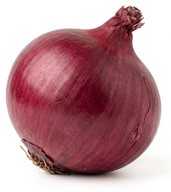
    Use the same weight; it is sharper and will tint the dish pink, so cook a little longer for sweetness.

  • Shallot

    Use the same weight; it is milder and sweeter, so reduce frying time slightly to avoid burning.

Water
  • Stock

    Use the same weight in savoury dishes; it adds body, so adjust salt.

  • Milk

    Use the same weight only in doughs or creamy dishes; it makes the result richer.

  • Coconut water

    Use the same weight in curries or rice; it adds sweetness and a faint coconut taste.

Granulated sugar
  • Jaggery

    Use equal weight; grate or shave finely so it dissolves rapidly, giving a warm, caramel-like sweetness and slightly darker sauce.

Tamarind paste
  • Tamarind pulp

    Use 120–150% of the weight and strain; pulp is less concentrated, so simmer a little longer to thicken.

  • Tamarind extract

    Use 150–200% of the weight and reduce gently; extract is already diluted.

  • Lime juice

    Use 60–70% of the weight with a pinch of jaggery; sharper, so add near the end off the heat.

Coriander
  • Coriander leaf

    Use equal weight, chopped fresh and stirred in off the heat or used as garnish. Matches the citrus-herbal profile identically.

  • Mint

    Use 40% to 50% of the weight; chop finely and add at the very end. Adds fresh herbal brightness, but shifts the aroma toward cool menthol.

Cumin seed
  • Ground cumin

    Use 70% of the weight; add with ground spices or sauce bases rather than hot oil tempering, where it scorches quickly and turns bitter.

  • Black cumin seeds

    Use equal weight for oil tempering. Delivers an earthy profile with an additional musky, smoky, and slightly bitter edge.

  • Fennel seed

    Use 60% of the weight for tempering; offers comparable warm aroma, but leans sweet and liquorice-like rather than savoury and earthy.

Coriander seeds
  • Ground coriander

    Use 75% of the weight; stir in along with wet masala or tomato purée rather than frying in hot oil, as the fine powder burns instantly.

  • Cumin seed

    Use 50% of the weight for tempering in hot oil. Lacks the floral, sweet citrus flavour of coriander, introducing warm, pungent earthiness instead.

  • Fennel seed

    Use 50% of the weight in tempering; provides pleasant aromatic sweetness, though noticeably aniseedy rather than citrusy.

Dried kashmiri chilli
  • Kashmiri chilli powder

    Use 1 g powder for every 1.5 g whole dried chilli; whisk with a spoonful of warm water and stir into the masala to provide identical ruby colour and mild heat.

  • Dried red chilli

    Use 35% to 40% of the weight; discard seeds before tearing into oil to temper. Delivers a much fiercer heat, with significantly less red colouring.

Clove
  • Ground cloves

    Use 1 g ground for 4 g whole (or 1 small pinch per 2 to 3 whole cloves). Add with spice powders; disperses intense warmth quickly, so use with restraint.

  • Allspice berries

    Use 100% of the weight whole in tempering. Imparts a warm, clove-like aromatic profile combined with hints of nutmeg and cinnamon.

  • Black cardamom pod

    Use 1 pod for 3 to 4 cloves in whole tempering. Shares a camphor-like warmth and medicinal depth, though it introduces a distinct smoky undertone.

Garlic
  • Garlic paste

    Use equal weight. Fry gently in oil or ghee with the ginger; incorporates smoothly into curries without visible minced bits.

  • Garlic powder

    Use 15% to 20% of the weight (about 1 g for every 5 to 6 g fresh cloves). Whisk into sauces; gives a savoury, toasted garlic flavour without raw pungency.

  • Shallot

    Use 1.5 times the weight, very finely minced. Sauté until golden; provides savoury allium sweetness, though it lacks garlic's pungent sulphur bite.

Fresh ginger
  • Ginger paste

    Use equal weight. Sauté in hot fat until the raw allium smell disappears; slightly wetter, but provides identical warmth and pungency.

  • Ground ginger

    Use 20% to 25% of the weight (1 g for every 4 to 5 g fresh). Stir into the gravy; adds peppery heat and warmth, though it misses the crisp, zesty kick of raw root.

Malt vinegar
  • White malt vinegar

    Use the same weight; sharper and clearer; reduce salt slightly.

  • White vinegar

    Use 90% of the weight, diluted with 10% water; harsher, so taste.

  • Lime juice

    Use the same weight; fresher sourness but no malt flavour; reduce salt.

Similar dishes

Bharleli Paplet
Spicy Bream Stuffed with Onions, Garlic & Tomatoes
Bharleli Paplet tastes rich, tangy and gently spicy with crisp roasted skin, while this dish tastes hot, sour and lightly sweet.
  • Same: Bharleli Paplet shares sea bream, turmeric, vegetable oil, tomato, tomato purée, Kashmiri chilli, garlic, ginger, coriander and salt with this dish.
  • Different: Bharleli Paplet stuffs a whole bream with an onion, tomato and raisin filling and uses lemon for sourness, while this dish is a curry with water, tamarind, malt vinegar and sugar and uses dried Kashmiri chillies plus cumin, coriander seeds and clove.
Goan Fish Caldine
Coconut Fish Curry with Green Chilli, Cumin and Tamarind
Goan Fish Caldine tastes softer and coconut-creamy with green chilli heat, while this dish is hot, sour and lightly sweet from roasted Kashmiri chilli, tamarind and vinegar.
  • Same: Goan Fish Caldine shares fish, turmeric, salt, vegetable oil, onion, tomato, garlic, ginger, tamarind, cumin seed and coriander seeds with this dish.
  • Different: Goan Fish Caldine uses coconut milk, green bird’s eye chilli, black peppercorn and cod, and lacks this dish’s tomato purée, dried Kashmiri chilli, clove, sugar and malt vinegar.
Kane Kari
Curried Ladyfish
Kane Kari tastes coconut-rich and curry-leaf fragrant with dried-chilli heat, while this dish is hot, sour and lightly sweet from tamarind, vinegar, sugar and tomato.
  • Same: Kane Kari and this dish are both fish curries built on turmeric, cumin, coriander seeds, dried chillies, onion, garlic and vegetable oil.
  • Different: Kane Kari uses small whole fish, grated coconut and curry leaves, and lacks this dish’s tomato, tomato purée, tamarind, malt vinegar, sugar, ginger, clove and roasted Kashmiri chilli paste.
Talela Bangda
Fried Fresh Mackerel
Talela Bangda is crisp and dry outside with a fiery tangy chilli-tamarind flavour, whereas this dish is saucy and hot-sour with light sweetness from sugar and tomato.
  • Same: Talela Bangda shares cumin, coriander seeds, dried chilli, turmeric, tamarind, vegetable oil, salt and fish with this dish.
  • Different: Talela Bangda coats whole mackerel in a tamarind-chilli paste and shallow-fries it, while this dish simmers white fish in a tomato-onion sauce with garlic, ginger, clove, sugar and vinegar; it also uses lime wedges and lacks tomato, onion, garlic, ginger, clove, sugar, vinegar and added water.