
Talela Bangda
A vibrant coastal Indian preparation of fresh mackerel coated in a fiery, tangy tamarind paste and shallow-fried until crisp on the outside and tender within.
Marinade spices
19 gGround into the fish marinade (step 1)Everything else


Method
- Place the marinade spices into a blender or mortar along with 2 tbsp tamarind pulp and salt to taste, then grind to a smooth paste.
- Arrange 12 cleaned mackerel in a single layer across a shallow tray and rub the paste evenly over both sides. Cover and rest in the fridge for 20 minutes.
- Pour vegetable oil into a wide pan for shallow-frying and set it over high heat, then drop the temperature to medium once the oil is shimmering.
- Cook the mackerel in batches with their coating for 2 to 3 minutes until the underside turns crisp and deep golden, then flip and fry the reverse side for another 2 minutes until fully cooked.
- Lift out the fish using a slotted spoon, drain briefly, and serve immediately alongside lime wedges.
Don't have something?


 Ground cumin
Use 70% of the weight; add with ground spices or sauce bases rather than hot oil tempering, where it scorches quickly and turns bitter.
 Black cumin seeds
Use equal weight for oil tempering. Delivers an earthy profile with an additional musky, smoky, and slightly bitter edge.
 Fennel seed
Use 60% of the weight for tempering; offers comparable warm aroma, but leans sweet and liquorice-like rather than savoury and earthy.


 Ground coriander
Use 75% of the weight; stir in along with wet masala or tomato purée rather than frying in hot oil, as the fine powder burns instantly.
- Cumin seed
Use 50% of the weight for tempering in hot oil. Lacks the floral, sweet citrus flavour of coriander, introducing warm, pungent earthiness instead.
- Fennel seed
Use 50% of the weight in tempering; provides pleasant aromatic sweetness, though noticeably aniseedy rather than citrusy.


 Dried kashmiri chilli
Use equal weight whole. Fry in hot oil or ghee as tempered spice; gives a richer red colour with slightly milder heat.
 Red chilli powder
Use 50% to 70% of the weight. Stir into the oil with ground spices; distributes heat evenly throughout the dish without whole chilli skins.


 Ground ginger
Use 50% of the weight. Mimics turmeric's warm, earthy, rhizome background, but provides none of the golden-yellow colour.
 Saffron
Steep a tiny pinch (0.1 g per 2 g turmeric) in 2 tbsp warm water; use to match the rich golden hue. Contributes an aristocratic, honeyed floral flavour rather than earthy bitterness.


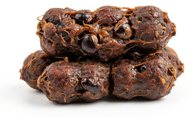
 Tamarind paste
Use 70–80% of the weight, dilute with water and strain; paste is more concentrated.
 Tamarind extract
Use 150% of the weight and reduce; extract is thinner and less fibrous.
 Lime juice
Use 60% of the weight plus a pinch of jaggery; sharper and lacks body, so thicken if needed.


 Whole pomfret
Use the same weight; it is milder and less oily, so add a little extra oil and simmer for a similar time.
 Whole fish
Use the same weight and choose a firm fish; score it and adjust simmering by 3–5 minutes depending on thickness.
 Sardine
Use the same total weight; sardines are smaller, so use several and reduce cooking time by about 5 minutes.


 Peanut oil
Use 1:1 by weight. Handles high-heat frying identically and introduces a very subtle, pleasant nuttiness.
 Ghee
Use 1:1 by weight. Yields a much richer, authentic aroma and a glossy, heavier mouthfeel.
 Mustard oil
Use 1:1 by weight. Heat until smoking, then cool slightly before cooking to temper its intensely pungent, sharp mustard kick.


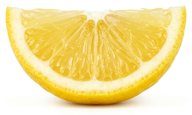 Lemon wedge
Use the same weight; more sour and less floral, so adjust salt and sugar.
- Lime juice
Use 10–15 g juice per wedge; add at the end; it loses the peel aroma.
 Lemon juice
Use 10–15 g per wedge; sharper; taste before adding more.

Similar dishes

- Same: Both use fish seasoned with vegetable oil, dried red chillies, turmeric, cumin seeds, and coriander seeds.
- Different: Kane Kari simmers ladyfish in a sauce made with onion, garlic, and curry leaves instead of shallow-frying tamarind-coated mackerel.

- Same: Both dishes season fish with cumin seed, coriander seeds, dried red chilli, and ground turmeric.
- Different: Poshto Maachh is cooked as a curry in mustard oil with poppy seeds, green chillies, curry leaves, and sugar, rather than being coated in tamarind paste and shallow-fried in vegetable oil like this dish.

- Same: Both dishes feature whole fish coated in a spicy paste of dried red chillies and cumin seeds, shallow-fried in vegetable oil.
- Different: Masala Pomfret uses pomfret soured with vinegar and includes garlic, ginger, and sugar, whereas this dish uses mackerel with tamarind, coriander seeds, and turmeric.

- Same: Vatticha Mathi Kari shares with this dish dried red chilli, coriander seeds, turmeric, salt, vegetable oil and a fiery coastal fish focus.
- Different: Vatticha Mathi Kari simmers sardines in a curry with onion, garlic, ginger, curry leaves, fenugreek, black peppercorn and cambodge petals, while this dish coats whole mackerel in a tamarind paste and shallow-fries it.