
Bharleli Paplet
Whole bream stuffed with a slow-cooked onion, tomato and raisin filling, scented with turmeric, chilli and coriander. It eats rich, tangy and gently spicy, with crisp roasted skin.
Marinade turmeric
3 gStirred into the fish marinade (step 2)Ground spices for the filling
4.4 gStirred into the onion-tomato filling with the raisins (step 9)Everything else


Method
- Lay 1000 g sea bream on a board and cut shallow slashes through the skin on both sides.
- In a bowl, stir 3 g ground turmeric into 15 g of the 81 g vegetable oil, 10 g of the 25 g lemon juice and salt to taste.
- Rub the turmeric mixture over both fish, inside and out, then leave them aside.
- Blend 24 g garlic, 10 g ginger and a splash of water to a paste.
- Heat the rest of the 81 g vegetable oil in a wide non-stick pan over medium heat.
- Add 450 g thinly sliced white onion and cook for 25–30 minutes, stirring often, until soft and browned.
- Stir in the garlic-ginger paste and cook for 2–3 minutes.
- Add 280 g finely chopped tomato and 15.6 g tomato purée; cook for 7–8 minutes, stirring.
- Add the ground spices for the filling and 18 g raisins; cook for 3–4 minutes.
- Season with salt, stir in the remaining 15 g lemon juice and 30 g chopped coriander, then take off the heat and let cool.
- Heat the oven to 200°C fan (425°F).
- Divide the cooled filling into three; use one third to stuff each fish and spread the last third over the base of a baking dish.
- Cover the base filling with 50 g lemon slices, set the stuffed fish on top and roast for 20–25 minutes, until the skin is crisp.
Don't have something?

 Sea bass
Use the same weight; reduce cooking by 1–2 minutes.
 Pomfret
Use the same weight; similar firm flesh, and score the skin if cooking whole.
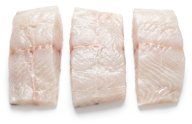 Firm white fish fillet
Use the same weight; reduce cooking by 2–3 minutes and handle gently.


 Ground ginger
Use 50% of the weight. Mimics turmeric's warm, earthy, rhizome background, but provides none of the golden-yellow colour.
 Saffron
Steep a tiny pinch (0.1 g per 2 g turmeric) in 2 tbsp warm water; use to match the rich golden hue. Contributes an aristocratic, honeyed floral flavour rather than earthy bitterness.


 Peanut oil
Use 1:1 by weight. Handles high-heat frying identically and introduces a very subtle, pleasant nuttiness.
 Ghee
Use 1:1 by weight. Yields a much richer, authentic aroma and a glossy, heavier mouthfeel.
 Mustard oil
Use 1:1 by weight. Heat until smoking, then cool slightly before cooking to temper its intensely pungent, sharp mustard kick.


 Lime
Use the same weight or juice amount; sharper, so taste before adding all the juice.
 Lemon juice
Use about 45–50 ml for 1 lemon; add off the heat to keep the freshness.
 Dried mango powder
Use 1 tsp for the juice of 1 lemon; add early. Sourness is flatter and less fresh.



 Garlic paste
Use equal weight. Fry gently in oil or ghee with the ginger; incorporates smoothly into curries without visible minced bits.
 Garlic powder
Use 15% to 20% of the weight (about 1 g for every 5 to 6 g fresh cloves). Whisk into sauces; gives a savoury, toasted garlic flavour without raw pungency.
 Shallot
Use 1.5 times the weight, very finely minced. Sauté until golden; provides savoury allium sweetness, though it lacks garlic's pungent sulphur bite.


 Ginger paste
Use equal weight. Sauté in hot fat until the raw allium smell disappears; slightly wetter, but provides identical warmth and pungency.
- Ground ginger
Use 20% to 25% of the weight (1 g for every 4 to 5 g fresh). Stir into the gravy; adds peppery heat and warmth, though it misses the crisp, zesty kick of raw root.


 Brown onion
Use the same weight; it is the closest everyday match, with a slightly deeper sweetness when fried.
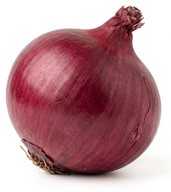 Red onion
Use the same weight; it is sharper and will tint the dish pink, so cook a little longer for sweetness.
- Shallot
Use the same weight; it is milder and sweeter, so reduce frying time slightly to avoid burning.


 Tomato purée
Use 40% to 50% of the fresh tomato weight mixed with a splash of water. Imparts a deeper red colour, thicker sauce, and slightly sweeter cooked flavour.
 Plain yogurt
Use 60% of the weight, whisked smooth and added on low heat. Provides rich body and sourness, though the gravy becomes paler and creamier.

- Tomato
Use 200% to 250% of the weight. Finely grate or blend fresh tomatoes, then cook them down until the moisture evaporates and the oil separates.


 Dried kashmiri chilli
Grind deseeded dried pods to an equal weight of powder; gives identical vivid red colour and gentle warmth.
 Red chilli powder
Use 25% of the weight mixed with sweet paprika for colour; straight red chilli powder is substantially hotter and will make the dish fiery.
 Chilli powder
Use one-third of the weight; the sauce will be less intensely red and notably sharper in heat.


 Coriander seeds
Dry-roast lightly in a pan and grind to a fine powder; use equal weight (1:1). Offers a noticeably fresher, brighter citrus note.
 Ground cumin
Use 50% to 75% of the weight. Lacks the floral, citrusy profile of coriander and turns the gravy heavier, earthier, and darker.
 Garam masala
Use 50% of the weight and stir in near the end of cooking. Adds warmth and depth since it contains ground coriander, but introduces stronger spices like clove and cinnamon.


 Dried plum
Use equal weight, pitted and finely chopped. Lends a deeper, slightly more tart sweetness to curries and rice dishes.
 Cashew nut
Use equal weight. Fry lightly in ghee until golden; substitutes the burst of sweetness with a rich, buttery crunch.
 Jaggery
Use 30% of the weight, finely grated. Dissolve straight into the sauce to match the intended sweetness, though without the fruity chew.


 Coriander leaf
Use equal weight, chopped fresh and stirred in off the heat or used as garnish. Matches the citrus-herbal profile identically.
 Mint
Use 40% to 50% of the weight; chop finely and add at the very end. Adds fresh herbal brightness, but shifts the aroma toward cool menthol.


Similar dishes

- Same: Whole Roasted Sea Bream with Black Pepper, Curry Leaves, Tamarind & Chilli shares with this dish a 1000 g whole sea bream, turmeric, lemon, onion, garlic, ginger, Kashmiri chilli, ground coriander and salt.
- Different: Whole Roasted Sea Bream with Black Pepper, Curry Leaves, Tamarind & Chilli uses coconut oil, banana leaf, curry leaf, black pepper, tamarind paste and sugar and is roasted in a leaf parcel, while this dish uses vegetable oil, tomato, tomato purée, raisins and fresh coriander and is stuffed and roasted for crisp skin.

- Same: Bangda Masala shares fish, garlic, ginger, turmeric, Kashmiri chilli, ground coriander and vegetable oil with this dish. Both are Indian fish dishes with a chilli-and-coriander spice base and a lemon element.
- Different: Bangda Masala uses mackerel and a semolina-and-rice-flour crust, while this dish uses whole sea bream stuffed with onion, tomato and raisin filling. Bangda Masala gets sourness from tamarind paste and curry leaves and is fried, while this dish uses lemon, tomato and tomato purée and is roasted with crisp skin.

- Same: Tandoori Masala Fish and this dish both use whole sea bream, turmeric, Kashmiri chilli powder, ground coriander, garlic, ginger, lemon and vegetable oil.
- Different: Tandoori Masala Fish uses a yoghurt-cashew marinade with chickpea flour, white pepper and smoked butter or ghee and is baked, while this dish has an onion, tomato and raisin stuffing with tomato purée and no yoghurt or cashew.

- Same: Parsi Fish Patia shares fish, turmeric, Kashmiri chilli, ground coriander, onion, tomato, garlic and vegetable oil with this dish.
- Different: Parsi Fish Patia uses cod fillet simmered in a gravy with malt vinegar, jaggery and cumin, while this dish uses whole bream stuffed with onion, tomato and raisins and cooked for crisp skin.