Indian cooking
Indian cooking / Dishes / Charchari
Charchari (Stir-fried Peelings and Scraps)

Charchari

Stir-fried Peelings and Scraps
Vegetarian●●●Origin West BengalPrep 50 minutesCook 30 minutes

A Bengali-style medley of seasonal vegetables and kitchen peelings cooked down in pungent mustard oil. The dish carries a rich, slightly sweet, and earthy heat driven by mustard seeds, poppy seeds, and aromatic paanch phoren.

masala paste spices

17 gBlended with the aromatics into a paste (step 1)
01
3.2 g1½ teaspoons
spice
02
2.8 g1 teaspoon
spice
03
3 g1 teaspoon
spice
04
5–6 g5–6 chillies
spice
05
3.3 g1 teaspoon
spice
Blend with the fresh aromatics to form a smooth paste.

tempering whole spices

4 gSizzled in hot mustard oil (step 3)
01
1 g2 leaves
spice
Keep whole to bloom in the hot oil.

Everything else

01
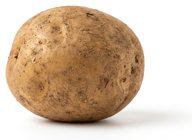
Potato · Aloocut into cubes and peel reserved
150 g
vegetable
02
New potato · Naye Aloocut into cubes or kept whole if small and peel reserved
150 g
vegetable
03
Cauliflower · Phool Gobhicut into florets, including stalks and tender leaves
150 g
vegetable
04
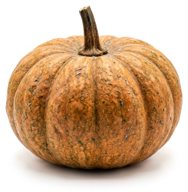
Pumpkin · Kadducut into cubes and peel reserved
150 g
vegetable
05
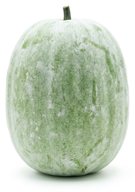
Bottle gourd · Laukicut into cubes and peel reserved
150 g
vegetable
06
Aubergine · Baingantrimmed and cut into quarters, trimmings reserved
400 g2 aubergines
vegetable
07
Spinach · Palakroughly chopped
to taste
vegetable
09
6 g1½ teaspoons
sweetener
10
to taste
salt
11
300 g2 onions
vegetable
12
12 g4 cloves
aromatic
13
Ginger · Adrakpeeled and chopped
12 g1 piece
aromatic
14
34 g2½ tablespoons
oil/fat

Method

  1. Place the masala paste spices into a food processor or blender along with 300 g chopped onion, 12 g garlic, and 12 g chopped ginger. Grind to a fine paste and set aside.
  2. Rinse all the reserved vegetable peelings and trimmings thoroughly under cold running water to eliminate any residual grit, then drain well.
  3. Set a large heavy pan or wok over medium heat and warm 33.8 g mustard oil. Toss in the tempering whole spices and 1.5 teaspoon paanch phoren, stir-frying for about 1 minute until the chillies take on a slightly darker shade.
  4. Tip the blended masala paste into the pan and fry, stirring constantly, for 2 minutes.
  5. Add 150 g cubed potato and 150 g cauliflower florets, stalks, and leaves to the pan. Sauté for 3 to 4 minutes until faintly browned, then add the remaining prepared vegetables, the washed peelings, and to taste chopped spinach. Stir thoroughly, then season with 6.3 g granulated sugar and salt to taste.
  6. Turn the heat down to low, put a lid on the pan, and cook for 15 to 20 minutes until all the vegetables are completely tender and the oil has begun to separate, adding a splash of water if the mixture begins to stick.

Don't have something?

Potato
  • Eggplant

    Use equal weight. Cut into large chunks; cooks down much faster (10-12 minutes) and softens into the sauce rather than staying starchy and firm.

  • Paneer

    Use 80% of the weight. Cube and add in the last 5-10 minutes of cooking; adds rich dairy protein instead of starchy bulk.

  • Dried chickpea

    Use 45% dry weight. Soak overnight and boil until fully soft before stirring into the sauce to simmer for 10 minutes.

New potato
  • Baby potatoes

    Use the same weight. Scrub and leave whole or halve if large; they cook in about the same time and give a similar waxy bite.

  • Small potato

    Use the same weight. Peel only if the recipe needs it; cut to the size of new potatoes so they cook evenly. The flesh is slightly more floury.

  • Potato

    Use the same weight, cut into even walnut-sized pieces. It may break down a little more in long cooking, thickening the gravy.

Cauliflower
  • Broccoli

    Use the same weight; cut into similar florets and cook 2–3 minutes less. It is greener and slightly stronger in flavour.

  • Cauliflower floret

    Use the same weight and break into even florets. This is essentially the same vegetable, so cooking and flavour change little.

  • Cabbage

    Use the same weight; cut into wedges and cook 3–5 minutes less. It becomes much softer and sweeter, so the dish loses cauliflower's bite.

Pumpkin
  • Ash gourd

    Use the same weight; peel and cube. Firmer and less sweet, so cook 5–10 minutes longer and taste for sugar.

  • Sweet potato

    Use the same weight; peel and cube. Sweeter and starchier; reduce added sugar and cook until just tender.

  • Courgette

    Use the same weight; cut larger chunks. Watery and soft, so cook 5 minutes less and reduce liquid.

Bottle gourd
  • Ash gourd

    Use the same weight; peel, deseed and cut into similar pieces. It is firmer and slightly more watery, so add a little less water and cook 5 minutes longer.

  • Courgette

    Use the same weight; no need to peel. It cooks faster and releases water, so reduce the recipe liquid by about 10% and add it later.

  • Chayote

    Use the same weight; peel and remove the stone. It stays firmer, so cut it smaller and cook a few minutes longer.

Aubergine
  • Baby aubergine

    Use the same weight; halve or quarter and cook 2–3 minutes longer. They hold their shape better in the sauce.

  • Small aubergine

    Use the same weight; slice or cube to the recipe's size. Similar flesh, slightly firmer.

  • Round aubergine

    Use the same weight; cube and salt for 10 minutes if the recipe does. It absorbs oil a little more.

Spinach
  • Amaranth leaves

    Use equal weight; trim tough stems and cook as directed. Yields a very similar melting texture, though red varieties will tint the dish.

  • Radish leaves

    Use equal weight, finely chopped. Slightly more peppery, so sauté for two minutes longer to soften the bite.

  • Mustard greens

    Use 75% of the weight, finely shredded. Adds a robust, peppery bitterness; balance with a tiny pinch of sugar if needed.

Pea pod
  • French bean

    Use the same weight, sliced on the diagonal; it gives a similar crunch but no pea sweetness.

  • Green bean

    Use the same weight, topped, tailed and sliced; cook until just tender.

  • Fresh pea

    Use 50–60% of the weight if the recipe wants shelled peas; add them later so they do not overcook.

Granulated sugar
  • Jaggery

    Use equal weight; grate or shave finely so it dissolves rapidly, giving a warm, caramel-like sweetness and slightly darker sauce.

Cumin seed
  • Ground cumin

    Use 70% of the weight; add with ground spices or sauce bases rather than hot oil tempering, where it scorches quickly and turns bitter.

  • Black cumin seeds

    Use equal weight for oil tempering. Delivers an earthy profile with an additional musky, smoky, and slightly bitter edge.

  • Fennel seed

    Use 60% of the weight for tempering; offers comparable warm aroma, but leans sweet and liquorice-like rather than savoury and earthy.

Poppy seed
  • Cashew nut

    Use equal weight. Soak in warm water for 20 minutes and grind to a smooth paste; produces an even creamier, slightly richer gravy than poppy seeds.

  • White sesame seed

    Use equal weight. Soak and grind finely; provides similar thickening and body with a slightly nuttier, faintly bitter edge.

  • Almond

    Use equal weight. Blanch, peel, and grind finely with a splash of water; lends a velvety body and gentle sweetness to gravies.

Ground turmeric
  • Ground ginger

    Use 50% of the weight. Mimics turmeric's warm, earthy, rhizome background, but provides none of the golden-yellow colour.

  • Saffron

    Steep a tiny pinch (0.1 g per 2 g turmeric) in 2 tbsp warm water; use to match the rich golden hue. Contributes an aristocratic, honeyed floral flavour rather than earthy bitterness.

Dried red chilli
  • Dried kashmiri chilli

    Use equal weight whole. Fry in hot oil or ghee as tempered spice; gives a richer red colour with slightly milder heat.

  • Red chilli powder

    Use 50% to 70% of the weight. Stir into the oil with ground spices; distributes heat evenly throughout the dish without whole chilli skins.

Mustard seed
  • Black mustard seed

    Use the same weight. The seeds are smaller and hotter; fry in hot oil until they pop, about 20–30 seconds, and reduce the heat if they darken too fast. The dish will be a little sharper.

  • Yellow mustard seeds

    Use the same weight. They are milder and larger; fry a few seconds longer until they pop. The finished dish will have less pungency.

  • Ground mustard seed

    Use 70% of the weight of whole seed, added with the other ground spices rather than fried whole. You lose the popping texture and the heat comes through more evenly.

Onion
  • Shallot

    Use equal weight, finely sliced. Shallots soften and brown faster, giving a slightly sweeter and more delicate base to curries.

  • Cabbage

    Use 80% of the weight, finely shredded and browned slowly with a pinch of asafoetida. Replicates the bulk and natural sweetness in gravies without allium.

Garlic
  • Garlic paste

    Use equal weight. Fry gently in oil or ghee with the ginger; incorporates smoothly into curries without visible minced bits.

  • Garlic powder

    Use 15% to 20% of the weight (about 1 g for every 5 to 6 g fresh cloves). Whisk into sauces; gives a savoury, toasted garlic flavour without raw pungency.

  • Shallot

    Use 1.5 times the weight, very finely minced. Sauté until golden; provides savoury allium sweetness, though it lacks garlic's pungent sulphur bite.

Ginger
  • Fresh ginger

    Use equal weight; scrape off the skin and grate or finely julienne according to the recipe.

  • Ginger paste

    Use equal weight; stir straight into the sizzling aromatics, taking care as the extra moisture may spit.

  • Ground ginger

    Use 15 to 20% of the weight; add alongside ground spices, noting it imparts warm, dry heat rather than zesty freshness.

Mustard oil
  • Peanut oil

    Use equal weight. It handles high-heat cooking well, but lacks the signature pungent, nasal heat of mustard oil.

  • Vegetable oil

    Use equal weight. Neutral in flavour, so your curry will lack the characteristic Bengali or North Indian pungent punch.

Panch phoron
  • Ground Bengali five-spice mix

    Use 70% of the weight, added with the ground spices rather than tempered whole. You lose the whole-seed crackle but keep the five-spice aroma.

  • Cumin seed or black cumin seed

    Use about 40% of the weight, with equal amounts of fennel seed and nigella seeds if you have them. It is not a true blend; the result is cumin-forward and less complex.

  • Fennel seed

    Use about 30% of the weight with cumin and mustard seed to approximate the blend. It adds sweetness but misses fenugreek's bitterness and nigella's onion note.


Bay leaf
  • Cinnamon stick

    Use a 2 cm piece (about 1 g) for every 1 to 2 bay leaves. Fry in whole-spice temperings; provides the cassia-like warmth typical of Indian tejpatta.

  • Ground cinnamon (cassia)

    Use 0.5 g per leaf. Stir into the sauce during simmering; gives the same warm woodiness but darkens the colour slightly.

Similar dishes

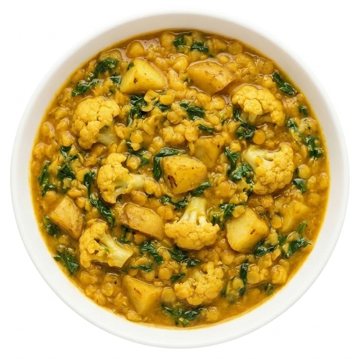
Moong Dal
Yellow Dal with Vegetables
Moong Dal is rich, buttery, and mildly spiced from the ghee and garam masala, lacking the sharp, pungent bite of mustard oil and mustard seeds present in this dish.
  • Same: Moong Dal also incorporates potatoes and spinach seasoned with cumin seeds, bay leaf, ginger, and sugar.
  • Different: Moong Dal is a soupy lentil dish cooked in ghee and vegetable oil with garam masala, omitting this dish's stir-fried style, mustard oil, paanch phoren, mustard seeds, poppy seeds, onion, and garlic.
Cheera Thoran
South Indian Spinach & Potatoes
Cheera Thoran tastes fresh, nutty, and mildly spicy from coconut and green chillies, without the pungent mustard warmth and sweet spice blend of this dish.
  • Same: Cheera Thoran is also a dry stir-fry built on potatoes and spinach seasoned with mustard seeds, onion, and ginger.
  • Different: It features grated fresh coconut, urad dal, curry leaves, and green chillies, but omits this dish's mustard oil, paanch phoren, poppy seeds, turmeric, garlic, and sugar.
Bengali Khosha Charchari
Bengali Five-Spice Stir-Fried Vegetables
Bengali Khosha Charchari tastes savoury, lightly sweet and warmly spiced, while this dish is richer and earthier with pungent mustard-oil heat.
  • Same: Bengali Khosha Charchari shares with this dish a Bengali stir-fry base of panch phoron, mustard seed, poppy seed, cumin seed, turmeric, dried red chilli, bay leaf, onion, garlic, ginger, new potato, spinach, sugar and salt, and neither lists a souring agent.
  • Different: Bengali Khosha Charchari uses cauliflower stem and stalk instead of this dish's cauliflower, pumpkin, bottle gourd, aubergine and pea pod, uses vegetable oil or mustard oil rather than this dish's mustard oil, adds coriander, and is a dry stir-fry rather than this dish's cooked-down medley.
Uralaikizhan Sagu
Potato Curry with Coconut
Uralaikizhan Sagu is mild, creamy, and gently tangy from tomatoes and coconut, whereas this dish is sharper and more pungent from mustard oil and paanch phoren.
  • Same: Uralaikizhan Sagu shares with this dish a base of potatoes cooked with onions, ginger, mustard seeds, cumin, poppy seeds, turmeric, and dried red chillies.
  • Different: Instead of being a dry stir-fry in mustard oil with spinach, garlic, and paanch phoren, Uralaikizhan Sagu is a saucy curry cooked in vegetable oil with coconut milk, tomatoes, roasted lentils, cinnamon, and curry leaves.