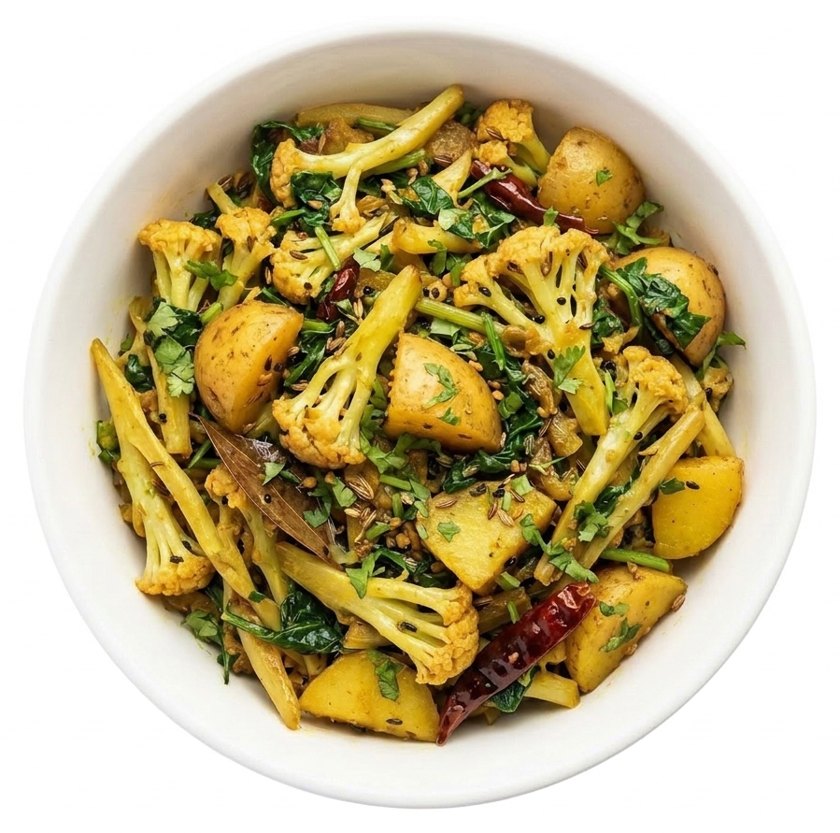
Bengali Khosha Charchari
A dry Bengali-style stir-fry of cauliflower stems, spinach and small potatoes, flavoured with a whole-spice tempering and a mustard-poppy-cumin blend. It tastes savoury, lightly sweet and warmly spiced.
Ground seed and turmeric mix
15 gStirred into the vegetables after frying (step 6)Whole tempering spices
6 gAdded to the hot oil at the start (step 3)Everything else

Method
- Grind 7 g black mustard seed, 2.8 g white poppy seeds and 2.1 g cumin seed to a fine powder. Set the powder aside with 3 g ground turmeric.
- Blend 80 g white onion, 12 g garlic, 5 g ginger root and enough water to make a smooth paste.
- Heat 40.5 g vegetable oil or mustard oil in a large non-stick saucepan over medium heat. Add the whole tempering spices and cook for 5–10 seconds until fragrant.
- Add the onion paste and cook for 3–4 minutes, stirring.
- Add 250 g cauliflower stem and stalk, 200 g spinach leaf and 250 g new potato. Cook for 5 minutes, stirring well.
- Stir in the ground seed and turmeric mix, 8.4 g granulated sugar and salt to taste.
- Cover and cook over low heat for 20–25 minutes, until the vegetables are tender; stir two or three times so nothing catches on the base.
- Scatter over chopped coriander to taste.
Don't have something?


 Mustard seeds
Use equal weight. Pop in hot fat until they crackle and turn greyish; yields an almost identical nutty, pungent finish.
 Yellow mustard seeds
Use equal weight. Fry over medium heat; delivers a milder, sweeter pop and turns bitter quickly if the oil is excessively hot.


 Poppy seed
Use the same weight; grey seeds make a darker paste but taste close.
 White sesame seed
Use the same weight, lightly toasted; the paste is nuttier and less thickening.
 Cashew nut paste
For 10 g poppy seeds use about 15 g cashew nut paste; it thickens more, so reduce other thickeners.


 Ground cumin
Use 70% of the weight; add with ground spices or sauce bases rather than hot oil tempering, where it scorches quickly and turns bitter.
 Black cumin seeds
Use equal weight for oil tempering. Delivers an earthy profile with an additional musky, smoky, and slightly bitter edge.
 Fennel seed
Use 60% of the weight for tempering; offers comparable warm aroma, but leans sweet and liquorice-like rather than savoury and earthy.


 Brown onion
Use the same weight; it is the closest everyday match, with a slightly deeper sweetness when fried.
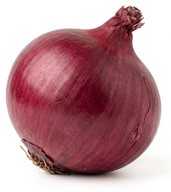 Red onion
Use the same weight; it is sharper and will tint the dish pink, so cook a little longer for sweetness.
 Shallot
Use the same weight; it is milder and sweeter, so reduce frying time slightly to avoid burning.

 Garlic paste
Use equal weight. Fry gently in oil or ghee with the ginger; incorporates smoothly into curries without visible minced bits.
 Garlic powder
Use 15% to 20% of the weight (about 1 g for every 5 to 6 g fresh cloves). Whisk into sauces; gives a savoury, toasted garlic flavour without raw pungency.
- Shallot
Use 1.5 times the weight, very finely minced. Sauté until golden; provides savoury allium sweetness, though it lacks garlic's pungent sulphur bite.


 Ginger paste
Use equal weight. Sauté in hot fat until the raw allium smell disappears; slightly wetter, but provides identical warmth and pungency.
 Ground ginger
Use 20% to 25% of the weight (1 g for every 4 to 5 g fresh). Stir into the gravy; adds peppery heat and warmth, though it misses the crisp, zesty kick of raw root.


 Groundnut oil
Use the same weight; neutral and good for Indian cooking, but you lose mustard pungency.
 Sunflower oil
Use the same weight; neutral, so add a little mustard powder or mustard seeds if you want some bite.
 Vegetable or corn oil
Use the same weight; neutral and reliable, but no mustard flavour.


 Ground Bengali five-spice mix
Use 70% of the weight, added with the ground spices rather than tempered whole. You lose the whole-seed crackle but keep the five-spice aroma.
 Cumin seed or black cumin seed
Use about 40% of the weight, with equal amounts of fennel seed and nigella seeds if you have them. It is not a true blend; the result is cumin-forward and less complex.
- Fennel seed
Use about 30% of the weight with cumin and mustard seed to approximate the blend. It adds sweetness but misses fenugreek's bitterness and nigella's onion note.


 Cinnamon stick
Use a 2 cm piece (about 1 g) for every 1 to 2 bay leaves. Fry in whole-spice temperings; provides the cassia-like warmth typical of Indian tejpatta.
 Ground cinnamon (cassia)
Use 0.5 g per leaf. Stir into the sauce during simmering; gives the same warm woodiness but darkens the colour slightly.


 Dried kashmiri chilli
Use the same weight; similar mild heat and good colour. Remove seeds if you want it milder.
 Kashmiri red chilli powder
Use half the weight of whole chilli (1 g powder for 2 g whole); add to hot oil briefly so it does not burn.
 Paprika
Use the same weight; sweeter and milder, good for colour. Add a pinch of cayenne pepper if you need heat.


 Cauliflower
Use the same weight of chopped cauliflower, including some stem. Dice it small and start cooking 2–3 minutes earlier than florets so it softens.
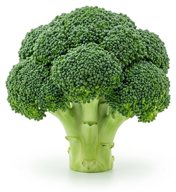 Broccoli or cauliflower
Use the same weight, chopped. Broccoli stem is slightly sweeter and firmer; peel it and cook 2–3 minutes longer.
 Broccoli
Use the same weight of peeled broccoli stem or florets. It has a stronger green flavour; reduce other strong spices slightly if needed.


 Spinach
Use the same weight; exactly the same leaf, so no real change except trimming stalks.
 Amaranth leaves
Use the same weight; wilts faster and is slightly milder, so cook briefly.
 Mustard leaves
Use 80% of the weight and blanch first; stronger and peppery, so it will change the flavour noticeably.


 Baby potatoes
Use the same weight. Scrub and leave whole or halve if large; they cook in about the same time and give a similar waxy bite.
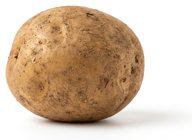 Small potato
Use the same weight. Peel only if the recipe needs it; cut to the size of new potatoes so they cook evenly. The flesh is slightly more floury.
 Potato
Use the same weight, cut into even walnut-sized pieces. It may break down a little more in long cooking, thickening the gravy.


 Jaggery
Use equal weight; grate or shave finely so it dissolves rapidly, giving a warm, caramel-like sweetness and slightly darker sauce.


- Ground ginger
Use 50% of the weight. Mimics turmeric's warm, earthy, rhizome background, but provides none of the golden-yellow colour.
 Saffron
Steep a tiny pinch (0.1 g per 2 g turmeric) in 2 tbsp warm water; use to match the rich golden hue. Contributes an aristocratic, honeyed floral flavour rather than earthy bitterness.


 Coriander leaf
Use equal weight, chopped fresh and stirred in off the heat or used as garnish. Matches the citrus-herbal profile identically.
 Mint
Use 40% to 50% of the weight; chop finely and add at the very end. Adds fresh herbal brightness, but shifts the aroma toward cool menthol.


Similar dishes

- Same: Charchari shares with this dish a Bengali dry stir-fry base of panch phoron, mustard seed, poppy seed, cumin, turmeric, dried red chilli, onion, garlic, ginger, sugar and salt.
- Different: Charchari adds pumpkin, bottle gourd, aubergine and pea pods and uses 150 g potato plus 150 g new potato, while this dish uses cauliflower stems and stalks, spinach and 250 g new potato and lists coriander.

- Same: Rajasthani Gobi Rajwadi shares with this dish a dry cauliflower cooking style and spices including cumin, turmeric, dried mild red chilli, onion, garlic, ginger and coriander.
- Different: Rajasthani Gobi Rajwadi uses cauliflower florets, tomato, ghee, coriander seeds, green bird's-eye chilli, Kashmiri chilli powder and chaat masala, while this dish uses cauliflower stems, spinach, new potatoes, a mustard-poppy-cumin blend, panch phoron, bay leaf and sugar in oil.

- Same: Bedmi Aloo shares new potatoes, cumin seed, ginger, turmeric, sugar, salt and coriander with this dish.
- Different: Bedmi Aloo is a watery potato curry made with ghee, tomato purée and dried mango powder, while this dish is a dry stir-fry with oil or mustard oil, cauliflower stems, spinach and a mustard-poppy-cumin blend; it lacks cauliflower stems, spinach, mustard seed, poppy seeds, panch phoron and bay leaf, and it adds green chilli, asafoetida, kashmiri chilli powder and dried mango powder.

- Same: Bengali Aloo Posto shares white poppy seeds, new potatoes, turmeric, sugar, salt and mustard or vegetable oil with this dish.
- Different: Bengali Aloo Posto uses 60 g poppy seeds, nigella seeds, green bird’s eye chilli and water, and lacks this dish’s cauliflower stems, spinach, onion, garlic, ginger, panch phoron, bay leaf, red chilli, black mustard, cumin and coriander.