
Bhuni Salmon Machchi
Tender baked salmon coated in a pungent spiced yogurt marinade and topped with a fresh, punchy prawn tartar.
Marinade spices
47 gWhisked into the yogurt marinade (step 1)Prawn tartar spice
1 gTossed into the prawn mixture (step 2)Everything else

Method
- Preheat the oven to 200°C (400°F).
- In a shallow dish, combine 122 g yogurt, 13.5 g mustard oil, 0.5 lemon juice, salt to taste, and the marinade spices. Rub the paste all over 4 skinless boneless salmon fillets, cover, and chill in the refrigerator for 30 to 45 minutes.
- Make the topping by mixing 4 chopped prawns, 4 tablespoon chopped onion, 4 tablespoon chopped tomato, 2.5 g chopped ginger, 9.9 g chopped green chilli, 4 g chopped coriander leaf, a pinch of salt, and the prawn tartar spice in a small bowl.
- Place the marinated salmon onto a baking tray and spoon the prawn tartar evenly across the top of each piece.
- Bake for 5 to 6 minutes, until the salmon is cooked through yet still moist and slightly pink at the centre.
- Rest the fish for 2 to 3 minutes before serving alongside mint chutney.
Don't have something?


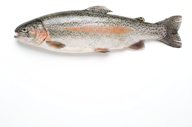 Trout
Use the same weight. It is similarly oily; cook 1–2 minutes less per side and keep the skin on.
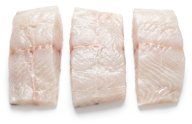 Firm white fish fillet
Use the same weight. It is leaner, so oil it well and cook 2 minutes less; the curry will taste lighter.
 Whole Indian salmon or salmon
Use the same weight in steaks or thick fillets. Cook for the same time; rawas is firmer and less oily.


 Plain yogurt
Use 100% of the weight. Whisk thoroughly until smooth before stirring into warm gravies to prevent curdling.
 Single cream
Use 90% of the weight combined with 10% lemon juice to replicate the lactic tang and rich body in marinades and curries.


 Chickpea flour
Use the same weight. Gram flour is chickpea flour, so this is an exact swap with the same nutty flavour and binding.
 Plain flour
Use about 75–80% of the weight, e.g. 80 g for 100 g gram flour, and add a pinch of turmeric for colour. Less nutty and less crisp; good only for thickening or simple batters.
 Rice flour
Use the same weight for crispness, but it does not bind like gram flour; mix with a little plain flour if making pakora batter.


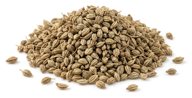 Carom seed
Use the same weight; this is the same spice.
 Cumin seed
Use 75% of the weight, toasted; different, less medicinal flavour.
 Fennel seed
Use 50% of the weight, crushed; sweeter and milder.


 Fresh ginger
Use equal weight; peel and grate very finely on a microplane or pound to a fine paste in a mortar.
 Ginger
Use equal weight; mince finely and crush with the flat of a knife before frying.
 Ground ginger
Use 20% of the weight; add directly with the dry spice powders, though it yields an earthier, less pungent profile.


 Garlic
Use equal weight; crush or finely grate to a smooth pulp to replicate the same fresh, pungent moisture in your base gravy.
 Garlic powder
Use 20 to 25% of the weight; mix with a teaspoon of water before adding to oil so it does not burn, noting it lacks the fresh bite.

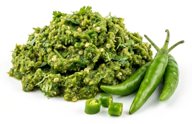
 Green chilli
Use the same weight, deseed if wanted, and grind with 1 tbsp water; fresher and brighter.
 Chilli paste
Use the same weight; may be red and hotter, so adjust.
 Red chilli paste
Use 75–80% of the weight; changes colour and heat.


 Ground cumin
Use 50% of the weight mixed with equal parts ground coriander and a pinch of ground cinnamon, ground cloves, and ground green cardamom. Sprinkle near the end for a warming finish.
 Lentil stew spice mix
Use 75% of the weight. Simmer briefly in the gravy; imparts roasted warmth and complexity, though it adds a slight tang and earthy lentil undertone.


 Peanut oil
Use equal weight. It handles high-heat cooking well, but lacks the signature pungent, nasal heat of mustard oil.
 Vegetable oil
Use equal weight. Neutral in flavour, so your curry will lack the characteristic Bengali or North Indian pungent punch.


 Red chilli powder
Use 100% of the weight. Provides direct, sharp heat and red colour in equal measure.
 Kashmiri chilli powder
Use 150% to 200% of the weight if matching colour, but add a pinch of black pepper or hot chilli if you need equivalent fiery heat.
 Cayenne pepper
Use 75% to 100% of the weight. Offers a sharp, clean heat with slightly less earthy depth and less crimson colour.


 Fenugreek seeds
Grind whole seeds finely in a spice grinder; use equal weight (1:1). Ensure it cooks through gently, as undercooked or burnt ground seeds become intensely bitter.
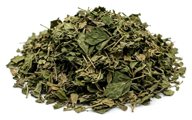 Dried fenugreek leaves
Crush dried leaves between your palms and add towards the end; use 50% of the weight. Gives the unmistakable maple-herb aroma without the sharp bitterness of the seeds.
 Yellow mustard seeds
Grind finely; use 50% of the weight. Adds an earthy, sharp bite, though it lacks the distinctive sweet-curry smell.


 Lime juice
Use equal volume or weight; delivers almost identical sharp acidity with a faintly more aromatic, bitter-edged profile.
 Dried mango powder
Use 25% of the weight (about 1 g amchoor for 4 g juice); provides clean fruity tartness without thinning the sauce.
 White vinegar
Use 75% of the volume; gives direct sourness without any citrus floral fragrance.


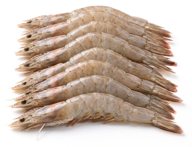 Prawn
Use the same weight; cut large prawns into 2 cm pieces. Add 1–2 minutes earlier than small prawns.
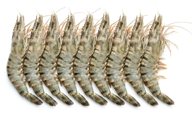 Tiger prawn
Use the same weight; cut into small pieces. They need 1–2 minutes more cooking and release more liquid.
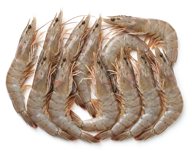 King prawn
Use the same weight; chop roughly. Cook 1–2 minutes longer; do not overcook or they toughen.




 Tomato purée
Use 40% to 50% of the fresh tomato weight mixed with a splash of water. Imparts a deeper red colour, thicker sauce, and slightly sweeter cooked flavour.
- Plain yogurt
Use 60% of the weight, whisked smooth and added on low heat. Provides rich body and sourness, though the gravy becomes paler and creamier.

- Fresh ginger
Use equal weight; scrape off the skin and grate or finely julienne according to the recipe.
- Ginger paste
Use equal weight; stir straight into the sizzling aromatics, taking care as the extra moisture may spit.
- Ground ginger
Use 15 to 20% of the weight; add alongside ground spices, noting it imparts warm, dry heat rather than zesty freshness.


 Dried fenugreek leaf
Use 10% of the fresh weight, rub between the palms or soak in warm water for 5 minutes. More hay-like and less fresh-bitter; add near the end.
 Spinach
Use the same weight, chop and wilt. Gives leafy body but none of methi's bitter aroma; adjust salt and add a pinch of sugar.
 Fenugreek shoots
Use the same weight, chop finely and discard any tough stems. Milder and more tender; cook 2–3 minutes less.


- Chilli powder
Use 10 to 15% of the weight (about 1/4 teaspoon per chilli); imparts dry pungent heat and reddens the dish without the grassy crunch.
 Dried red chilli
Use 1 dried pod per fresh green chilli; snap in half and temper in hot oil for a deeper, toastier heat.

Similar dishes

- Same: Both recipes feature fish seasoned with ginger, garlic, green chillies, garam masala, ajwain, fenugreek, and lemon juice.
- Different: Karhai Machhali is stir-fried in a heavy tomato gravy with whole coriander seeds and dried red chillies, omitting this dish's yogurt-mustard oil marinade, onion, and prawn tartar.

- Same: Musallam Bharwan Machhali also features fish seasoned with ginger, garlic, chilli powder, onions, and fresh coriander.
- Different: Musallam Bharwan Machhali uses a whole fish stuffed with browned onions, fresh mint, and ghee, omitting the yogurt marinade, mustard oil, lemon juice, ajwain, fenugreek, and garam masala used in this baked salmon dish.

- Same: Both dishes coat fish in a marinade of yogurt, mustard oil, lemon juice, ginger paste, garlic paste, and garam masala.
- Different: Bhunee Machhali grills whole trout using turmeric and yellow chilli powder, omitting this dish's baked salmon, ajwain seeds, ground fenugreek, and fresh prawn tartar.

- Same: Meen Dakhani and this dish are both Indian fish dishes seasoned with ginger paste, garlic paste, green chilli and chilli powder.
- Different: Meen Dakhani is a simmered tamarind curry with caramelized onion, cumin seed, mustard seed, curry leaf, coriander leaf and vegetable oil, while this dish is baked salmon in a yogurt, gram flour, ajwain, mustard oil and lemon marinade topped with a prawn tartar.