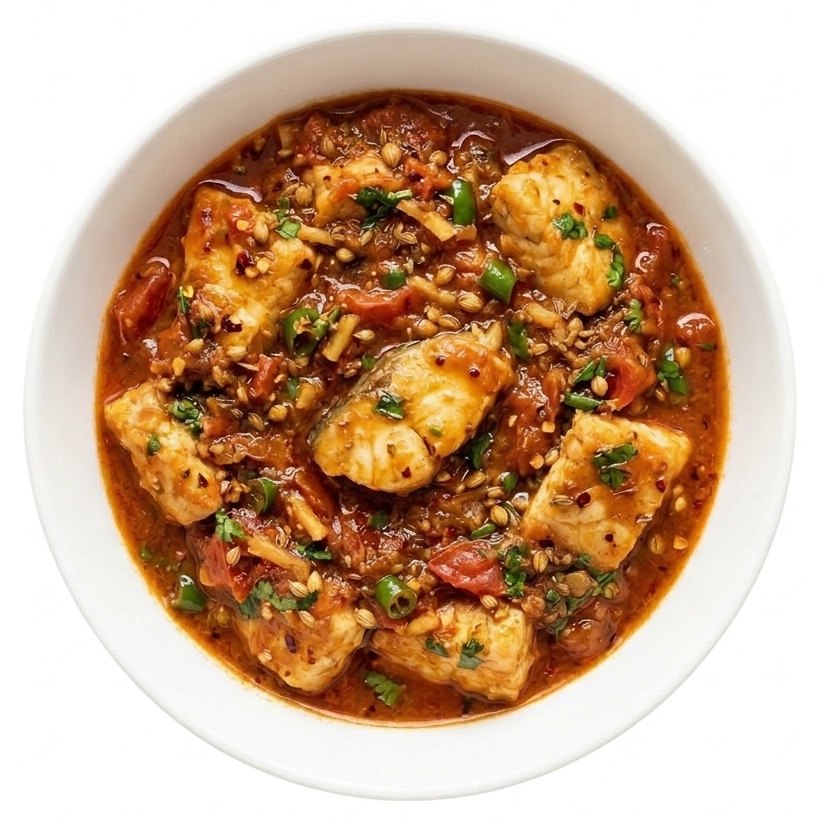
Karhai Machhali
A briskly cooked fish curry featuring a robust, tangy tomato gravy seasoned with toasted aromatics and crushed red chillies.
Ground spices
13 gFried right after the garlic paste (step 3)Whole spices
7 gBloomed in hot oil (step 2)Garlic paste
31 gStir-fried into the spiced oil (step 3)Finishing spice
5 gScattered over the pan at the end of cooking (step 6)Everything else

Method
- Pound the ground spices (10 g dried red chilli and 3.4 g coriander seeds) in a mortar or mill them finely in a spice grinder.
- Warm 100 g oil or ghee in a wide, heavy-based pan over medium heat. Introduce the whole spices (3.3 g ajwain seeds and 3.7 g fenugreek seeds) and sizzle for about 1 minute until they begin popping.
- Stir in the garlic paste (31.2 g garlic paste) and fry for 30 seconds. Add the ground spices, cooking and stirring for another 30 seconds.
- Tumble in 750 g chopped tomato, half of the 24 g chopped ginger, and half of the 30–60 g chopped green chilli, then season with salt to taste. Bring everything to a boil, reduce the heat to low, and cook for 3 to 4 minutes until the sauce breaks and oil surfaces.
- Slip in 600 g fish pieces. Simmer gently for roughly 5 minutes, moving the pieces tenderly so they do not catch on the base, until the flesh turns opaque and flakes. Taste and tweak the salt if needed.
- Drizzle in 61.2 g lemon juice, then sprinkle over the finishing spice (5.2 g garam masala), 1 g chopped coriander, and the reserved ginger and green chillies. Fold everything together gently and serve hot.
Don't have something?


 Dried kashmiri chilli
Use equal weight whole. Fry in hot oil or ghee as tempered spice; gives a richer red colour with slightly milder heat.
 Red chilli powder
Use 50% to 70% of the weight. Stir into the oil with ground spices; distributes heat evenly throughout the dish without whole chilli skins.


 Ground coriander
Use 75% of the weight; stir in along with wet masala or tomato purée rather than frying in hot oil, as the fine powder burns instantly.
 Cumin seed
Use 50% of the weight for tempering in hot oil. Lacks the floral, sweet citrus flavour of coriander, introducing warm, pungent earthiness instead.
 Fennel seed
Use 50% of the weight in tempering; provides pleasant aromatic sweetness, though noticeably aniseedy rather than citrusy.


 Mustard oil
Use the same weight. Heat it until it just smokes, then cool slightly before cooking to mellow its pungency.
 Ghee
Use the same weight. Milder and richer; you lose mustard oil's sharp, pungent note.
 Vegetable oil
Use the same weight. Neutral; add a pinch of mustard powder if you want a hint of the original flavour.


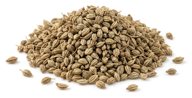 Carom seed
Use the same weight; this is the same spice.
- Cumin seed
Use 75% of the weight, toasted; different, less medicinal flavour.
- Fennel seed
Use 50% of the weight, crushed; sweeter and milder.


 Mustard seed
Use 50% of the weight, crush or grind. Sharper heat and less maple-bitter; fry briefly in oil before adding.
 Caraway seeds
Use the same weight, crush lightly. Similar bitter-seed note but more aniseed; reduce other sweet spices slightly.
- Ajwain seeds
Use 25–30% of the weight, crush. Much stronger thyme-like flavour; do not overdo.


 Garlic
Use equal weight; crush or finely grate to a smooth pulp to replicate the same fresh, pungent moisture in your base gravy.
 Garlic powder
Use 20 to 25% of the weight; mix with a teaspoon of water before adding to oil so it does not burn, noting it lacks the fresh bite.


 Tomato purée
Use 40% to 50% of the fresh tomato weight mixed with a splash of water. Imparts a deeper red colour, thicker sauce, and slightly sweeter cooked flavour.
 Plain yogurt
Use 60% of the weight, whisked smooth and added on low heat. Provides rich body and sourness, though the gravy becomes paler and creamier.


 Fresh ginger
Use equal weight; scrape off the skin and grate or finely julienne according to the recipe.
 Ginger paste
Use equal weight; stir straight into the sizzling aromatics, taking care as the extra moisture may spit.
 Ground ginger
Use 15 to 20% of the weight; add alongside ground spices, noting it imparts warm, dry heat rather than zesty freshness.


 Chilli powder
Use 10 to 15% of the weight (about 1/4 teaspoon per chilli); imparts dry pungent heat and reddens the dish without the grassy crunch.
- Dried red chilli
Use 1 dried pod per fresh green chilli; snap in half and temper in hot oil for a deeper, toastier heat.


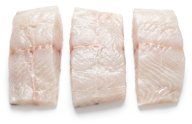 Firm white fish fillet
Use the same weight; cut to the same thickness so it cooks evenly.
 Boneless fish
Use the same weight; check for bones and reduce cooking by 2–3 minutes if thinner.
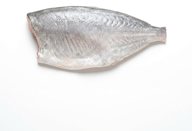 Pomfret or haddock fillet
Use the same weight; haddock is softer, so handle gently and cook 2 minutes less.


 Ground cumin
Use 50% of the weight mixed with equal parts ground coriander and a pinch of ground cinnamon, ground cloves, and ground green cardamom. Sprinkle near the end for a warming finish.
 Lentil stew spice mix
Use 75% of the weight. Simmer briefly in the gravy; imparts roasted warmth and complexity, though it adds a slight tang and earthy lentil undertone.


 Lime juice
Use equal volume or weight; delivers almost identical sharp acidity with a faintly more aromatic, bitter-edged profile.
 Dried mango powder
Use 25% of the weight (about 1 g amchoor for 4 g juice); provides clean fruity tartness without thinning the sauce.
 White vinegar
Use 75% of the volume; gives direct sourness without any citrus floral fragrance.


 Coriander leaf
Use equal weight, chopped fresh and stirred in off the heat or used as garnish. Matches the citrus-herbal profile identically.
 Mint
Use 40% to 50% of the weight; chop finely and add at the very end. Adds fresh herbal brightness, but shifts the aroma toward cool menthol.


Similar dishes

- Same: Bhuni Salmon Machchi shares fish as the main ingredient alongside ajwain, fenugreek, ginger, garlic, green chillies, garam masala, and lemon juice.
- Different: Instead of being stir-fried in a large volume of cooked tomatoes, it is coated in a yogurt and mustard oil marinade, baked, and served with a prawn tartar.

- Same: Tikaht Modaka is also a fast-cooked fish dish seasoned with green chillies, garlic paste, citrus juice, and garam masala.
- Different: It braises whitebait in vegetable oil with cumin seeds and sugar, omitting this dish's large tomato base, ginger, dried red chillies, coriander seeds, ajwain, and fenugreek.

- Same: Both recipes feature fish prepared with dried red chillies, coriander seeds, fenugreek seeds, ginger, and garlic.
- Different: Vatticha Mathi Kari simmers the fish in vegetable oil with onions, curry leaves, turmeric, and black peppercorns, whereas this dish stir-fries the fish in a base of tomatoes, lemon juice, ajwain, and garam masala.

- Same: Karhai Jhinga shares a fast stir-fried tomato gravy with this dish, using dried red chilli, coriander seeds, ajwain, garlic, ginger, green chilli, garam masala and lemon juice.
- Different: Karhai Jhinga uses prawns and onion plus ground fenugreek and ghee or vegetable oil, while this dish uses white fish, no onion, whole fenugreek seed and mustard oil or ghee, with more garlic paste and less ginger and green chilli.