Indian cooking
Indian cooking / Dishes / Bhunee Machhali
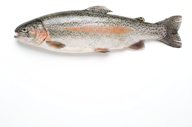
Bhunee Machhali (Grilled (Broiled) Trout)

Bhunee Machhali

Grilled (Broiled) Trout
Non-vegetarian●●●Origin Jammu and KashmirPrep 35 minutes, plus marinating timeCook 10–12 minutes

Whole trout are double-marinated—first in lemon and spices, then in a mustard-oil-bloomed yogurt coating—and grilled until smoky, tender, and lightly charred.

First marinade spices

14 gMixed with lemon juice in step 2
Stir together into a uniform paste.

Second marinade spices

17 gWhisked into the yogurt in step 3
Blend thoroughly to combine.

Turmeric for the oil

4.5 gBloomed in hot mustard oil in step 4
01
4.5 g1½ teaspoons
spice
Keep ready to tip into the hot oil.

Everything else

01
Troutcleaned and rinsed
1000 g4 fishes
fish
02
40 g3 tablespoons
oil/fat
03
to taste
dairy
04
to taste
salt
05
10 g2 teaspoons
souring agent
06
388 g375 ml
dairy

Method

  1. Cut four deep slashes across both sides of the 4 cleaned and rinsed trout, then dry thoroughly with paper towels.
  2. Combine the first marinade spices, 10.2 g lemon juice, and a pinch of salt to taste. Smear the mixture evenly across the fish and into the cuts, arrange in a shallow dish, and chill covered in the refrigerator for 30 minutes.
  3. Whisk 388 g yogurt with the second marinade spices and salt to taste until smooth.
  4. Warm 40.5 g mustard oil in a skillet set over medium-high heat. Add the turmeric for the oil and fry for 10 seconds, then immediately take the pan off the heat and stir in the seasoned yogurt mixture until fully incorporated.
  5. Spread the warm yogurt mixture over the trout. Cover and return to the refrigerator to marinate for 1 hour.
  6. Set up a charcoal grill for moderate heat, or heat an oven to 180°C (350°F).
  7. Secure the fish onto metal skewers and cook over the coals or in the oven for 7 to 8 minutes. Lift the skewers out and hang them over a tray for 5 minutes so excess liquid drains away.
  8. Set the skewers over a baking tray, brush with butter for basting to taste, and roast for an additional 3 to 4 minutes until cooked through.

Don't have something?

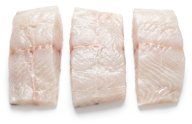
Trout
  • Salmon steak

    Use the same weight; richer and oilier, so cook 1–2 minutes less to avoid drying.

  • Firm white fish fillet

    Use the same weight; milder, cook 1–2 minutes less and handle gently.

  • Pomfret or haddock fillet

    Use the same weight; similar flake, slightly sweeter. Cook until just opaque.

Mustard oil
  • Peanut oil

    Use equal weight. It handles high-heat cooking well, but lacks the signature pungent, nasal heat of mustard oil.

  • Vegetable oil

    Use equal weight. Neutral in flavour, so your curry will lack the characteristic Bengali or North Indian pungent punch.

Ground turmeric
  • Ground ginger

    Use 50% of the weight. Mimics turmeric's warm, earthy, rhizome background, but provides none of the golden-yellow colour.

  • Saffron

    Steep a tiny pinch (0.1 g per 2 g turmeric) in 2 tbsp warm water; use to match the rich golden hue. Contributes an aristocratic, honeyed floral flavour rather than earthy bitterness.

Melted butter
  • Melted ghee

    Use the same weight; nuttier and keeps better. Reduce salt if the butter was salted.

  • Vegetable oil

    Use 80% of the weight; no dairy flavour and less richness. Good for frying, less good for finishing.

  • Melted unsalted butter

    Use the same weight; adjust salt in the dish if your butter was salted.

Yellow chilli powder
  • Green chilli

    Use 100% of the weight, finely minced or ground into a smooth paste. Provides sharp heat while preserving the light colour of delicate kormas.

  • Kashmiri chilli powder

    Use 50% to 75% of the weight. It brings mild heat but will turn pale or white sauces noticeably orange-red.

  • Red chilli powder

    Use 50% of the weight. Gives strong, sharp heat, but will stain cream-based or yellow Mughlai gravies red.

Ginger paste
  • Fresh ginger

    Use equal weight; peel and grate very finely on a microplane or pound to a fine paste in a mortar.

  • Ginger

    Use equal weight; mince finely and crush with the flat of a knife before frying.

  • Ground ginger

    Use 20% of the weight; add directly with the dry spice powders, though it yields an earthier, less pungent profile.

Garlic paste
  • Garlic

    Use equal weight; crush or finely grate to a smooth pulp to replicate the same fresh, pungent moisture in your base gravy.

  • Garlic powder

    Use 20 to 25% of the weight; mix with a teaspoon of water before adding to oil so it does not burn, noting it lacks the fresh bite.

Lemon juice
  • Lime juice

    Use equal volume or weight; delivers almost identical sharp acidity with a faintly more aromatic, bitter-edged profile.

  • Dried mango powder

    Use 25% of the weight (about 1 g amchoor for 4 g juice); provides clean fruity tartness without thinning the sauce.

  • White vinegar

    Use 75% of the volume; gives direct sourness without any citrus floral fragrance.

Yogurt
  • Plain yogurt

    Use 100% of the weight. Whisk thoroughly until smooth before stirring into warm gravies to prevent curdling.

  • Single cream

    Use 90% of the weight combined with 10% lemon juice to replicate the lactic tang and rich body in marinades and curries.

Garam masala
  • Ground cumin

    Use 50% of the weight mixed with equal parts ground coriander and a pinch of ground cinnamon, ground cloves, and ground green cardamom. Sprinkle near the end for a warming finish.


  • Lentil stew spice mix

    Use 75% of the weight. Simmer briefly in the gravy; imparts roasted warmth and complexity, though it adds a slight tang and earthy lentil undertone.

Similar dishes

Mahi Tikka Ajwaini
Thyme-flavoured Fish
Mahi Tikka Ajwaini tastes more herbal and pungent from the carom seeds, with higher acidity and a sweet fruit counterpoint from the chutney.
  • Same: Both dishes double-marinate fish in mustard oil, lemon juice, yellow chilli powder, turmeric, garam masala, and ginger-garlic paste before grilling until smoky and charred.
  • Different: Mahi Tikka Ajwaini roasts skewered fish cubes rather than whole trout and adds ajwain seeds, chana dal, and sweet mango chutney.
Tikha Maslyatil Tali Macchi
Piquant Fish Fry
It tastes sharper, tangier, and more fiery from green chilli and lime, with toasted cumin-coriander warmth and a crisp fried finish, compared with this dish's smoky, yogurt-coated grilled trout.
  • Same: Tikha Maslyatil Tali Macchi shares a 1000 g fish base, salt, turmeric, ginger paste, garlic paste, chilli, and a citrus marinade with this dish.
  • Different: It uses mackerel or surmai fillets, vegetable oil, lime juice, green chilli, cumin, and coriander, and is fried crisp, while this dish uses whole trout, mustard oil, butter, yogurt, yellow chilli powder, garam masala, and grilling.
Karimeen Polichattu
Pearl Fish Pan Grilled in Banana Leaf
Karimeen Polichattu has a much sharper lemon tang and an herbal curry leaf note, lacking the pungent mustard heat and warm spiced dairy richness of this dish.
  • Same: Both recipes season fish with ginger paste, garlic paste, chilli powder, and lemon juice before grilling.
  • Different: Karimeen Polichattu pan-grills the fish wrapped in banana leaves using neutral vegetable oil and curry leaves, omitting this dish's yogurt marinade, mustard oil, turmeric, and garam masala.
Samudri Seekh
Seafood Skewers
It tastes richer, buttery, and grassy with sharp green-chilli heat, lacking the tart lemon-yogurt tang and pungent mustard-oil punch of this dish.
  • Same: Samudri Seekh is also an intensely grilled seafood dish seasoned with ginger, garlic, and chilli heat.
  • Different: Instead of whole fish coated in a spiced yogurt, lemon, and mustard-oil marinade, it uses minced fish and prawns shaped onto skewers, seasoned with fresh coriander and green chillies, and basted with butter.