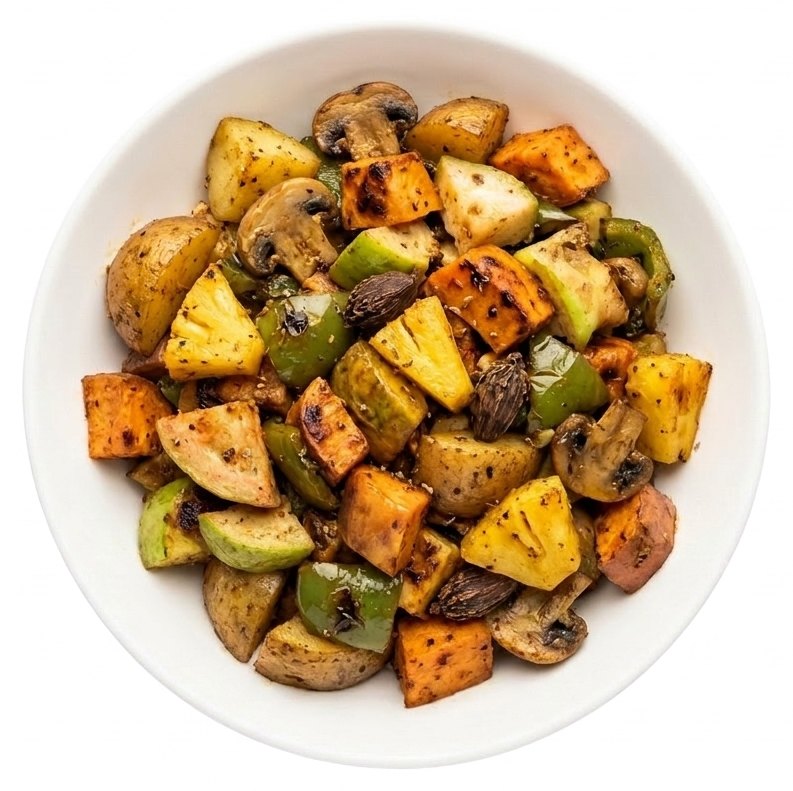
Bhunee Chaat
A vibrant, spiced warm salad of skewered vegetables and fruits roasted until tender and aromatic. It balances sweet, tart, and savoury notes with a touch of char from the oven.
Turmeric for blanching
3 gAdded to the potato boiling water (step 1)Marinade spices
2.7 gMixed into the marinade paste (step 4)Everything else



Method
- Shape 2 potatoes into barrels and slice them 1 cm (½ inch) thick. Bring a large pan of water to a boil with salt to taste and the turmeric for blanching, then blanch the potato slices until slightly tender. Drain thoroughly and dry on paper towels.
- Simmer 2 sweet potatoes in a pan of water for roughly 20 minutes until tender. Drain, allow to cool slightly, then peel and slice into 1-cm (½-inch) rounds.
- Fill a deep pan or kadhai with oil for deep-frying and bring to 180°C (350°F). Fry the blanched potato slices over medium heat until almost fully cooked, then transfer with a slotted spoon onto paper towels. Drop the sweet potato rounds into the hot oil and fry until lightly browned, then lift out to drain.
- On a wide tray or plate, rub 8.4 g granulated sugar, 2 tsp ground pomegranate, and 2 tsp malt vinegar, 2 tsp cider vinegar, and 2 tsp white vinegar together with your palms until smooth. Stir in salt to taste, 2 tbsp ginger paste, 1 tsp roasted crushed cumin seeds, 1 tsp carom seeds, 2 tsp red chilli powder, 0.5 tsp black salt, 1 tsp Chaat Masala, 4 tbsp lemon juice, 1 tsp mint paste, 0.5 tsp dried fenugreek leaves, and the marinade spices.
- Add the fried potatoes, fried sweet potatoes, 1 pineapple chunks, 2 guava chunks, 2 green apple chunks, 3 star fruit chunks, 6 blanched baby corn, and 2 sweet pepper chunks to the tray. Toss well until everything is evenly coated, then rest for 15 minutes.
- Preheat the oven to 190°C (375°F/Gas 5). Skewer the marinated fruit and vegetable pieces in an alternating pattern onto metal skewers.
- Bake for about 5 minutes until the edges begin to turn colour. Take the skewers out, brush lightly with butter for basting, and return to the oven for 1 minute.
- Slide the roasted vegetables and fruits off the skewers into a serving dish, dust with 1 tsp Chaat Masala, and serve hot.
Don't have something?

 Eggplant
Use equal weight. Cut into large chunks; cooks down much faster (10-12 minutes) and softens into the sauce rather than staying starchy and firm.
 Paneer
Use 80% of the weight. Cube and add in the last 5-10 minutes of cooking; adds rich dairy protein instead of starchy bulk.
 Dried chickpea
Use 45% dry weight. Soak overnight and boil until fully soft before stirring into the sauce to simmer for 10 minutes.


 Ground ginger
Use 50% of the weight. Mimics turmeric's warm, earthy, rhizome background, but provides none of the golden-yellow colour.
 Saffron
Steep a tiny pinch (0.1 g per 2 g turmeric) in 2 tbsp warm water; use to match the rich golden hue. Contributes an aristocratic, honeyed floral flavour rather than earthy bitterness.


- Potato
Use the same weight, cut to the same size. It is less sweet and holds shape better; add a pinch of sugar if the recipe relies on sweetness.
 Yam
Use the same weight, peeled and cut to size; it is drier and starchier, so cook a little longer and add extra liquid if needed.
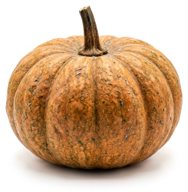 Pumpkin
Use the same weight, cut into chunks; it is softer and sweeter, so add it later and cook briefly to avoid collapsing.


 Canned pineapple
Use the same drained weight; pat dry before cooking. It is sweeter, so reduce added sugar.
 Green mango
Use the same weight; it is much more sour, so add a little sugar and cook 5 minutes longer until soft.
 Apple
Use the same weight; it holds shape but is less acidic. Add a squeeze of lemon and cook 5 minutes longer.


 Vegetable oil
Use the same weight. It is neutral and behaves the same in frying and tempering; no noticeable change in flavour.
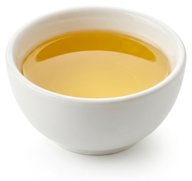 Corn or vegetable oil
Use the same weight. Neutral and good for high heat; the dish will taste virtually the same.
 Groundnut oil
Use the same weight. It has a mild nutty flavour and is good for Indian cooking; heat until just hot, not smoking, so the nuttiness does not dominate.


 Pear
Use the same weight; peel and core. Firmer and milder, so cook a few minutes longer and add lime juice for tartness.
 Green apple
Use the same weight; peel and core. More tart and holds shape; add a little sugar if needed.
- Apple
Use the same weight; peel and core. Sweeter and softer, so reduce cooking time slightly.

- Apple
Use the same weight; it is firmer and more tart, so add a little extra sugar if the dish is sweet.
- Green apple
Use the same weight; it is sharper and holds its shape well, so cook a few minutes longer if needed.
 Ripe mango
Use the same weight; it is softer and sweeter, so reduce cooking time and added sugar.


- Green apple
Use the same weight; slightly tarter and firmer. Good where the apple should hold shape.
- Pear
Use the same weight; softer and sweeter. Cook a little less and reduce added sugar.
- Guava
Use the same weight; firmer and more aromatic. Peel if the skin is tough.


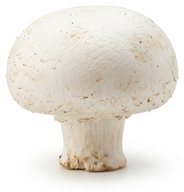 Button mushroom
Use the same weight, wipe and slice; cook 5-7 minutes. They release water, so reduce the sauce if needed.
 Fresh mushroom
Use the same weight; treat as button mushrooms, slicing thickly so they do not collapse.
 Dried morel
Use 20-30 g dried for 100 g fresh; soak 20 minutes, rinse well and use the soaking liquid. The flavour is much earthier.


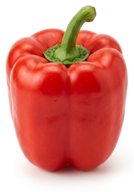 Red bell pepper
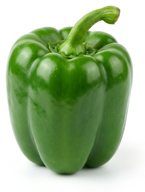
Use the same weight; sweet and bright. Cook for the same time.
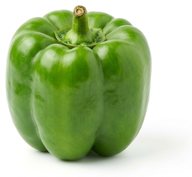 Green bell pepper
Use the same weight; sharper and slightly bitter, so it needs 2–3 minutes more cooking.
 Yellow bell pepper
Use the same weight; sweeter and softer, with the same cooking time.


 Unsalted butter
Use 100% of the weight. If the original recipe relies on salted table butter, add a pinch of salt to balance.
 Ghee
Use 80% to 85% of the weight. Ghee is pure butterfat with moisture removed; it yields a deeper, nuttier flavour and handles high heat better.
- Vegetable oil
Use 80% of the weight for frying or tempering. The dish loses sweet dairy richness but remains glossy and light.


 Tandoori snack spice mix
Use the same weight; taste first as it can be smokier and saltier. Add lime or amchoor if the dish needs more tang.
 Dried mango powder
Use about half the weight, mixed with black salt and a pinch of ground cumin. It gives tang and saltiness but lacks the minty, asafoetida notes.
 Black salt
Use about half the weight and add lime juice to taste. It gives the salty, sulphurous edge but not the full tangy blend.


 Jaggery
Use equal weight; grate or shave finely so it dissolves rapidly, giving a warm, caramel-like sweetness and slightly darker sauce.

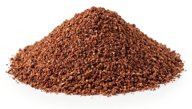
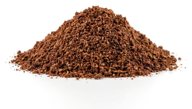 Ground dried pomegranate seed
Use the same weight; this is effectively the same spice.
 Dried pomegranate seeds
Grind the same weight fresh; sieve if you want a finer powder.
- Dried mango powder
Use 50–70% of the weight. More sharply sour and less fruity; add a pinch of sugar if the dish tastes too tart.


 Malt vinegar
Use 75% of the weight and stir in a pinch of jaggery or sugar. Sharper and less syrupy; taste before adding more.
 White wine vinegar
Use 80% of the weight plus a pinch of sugar. Cleaner acidity and no dark colour.
 Tamarind paste
Use 50% of the weight mixed with 2 tsp water. Gives Indian sourness but no grape sweetness.


 White vinegar
Use 90% of the weight. It is sharper and lacks the mild malty grain undertone, so temper with a tiny pinch of sugar if needed.
 Lemon juice
Use 100% of the weight. Best for marinades or quick chutneys; imparts fresh citrus flavour instead of fermented acidity.


 Hung natural yoghurt
Use the same weight. The names are used interchangeably; check seasoning.
 Greek yoghurt
Use the same weight. It is thick enough for marinades and raitas, with a slightly sharper taste.
 Full-fat natural yoghurt
Use about 175% of the weight and strain through muslin for 3–4 hours to get the same thick weight.


 Dried kashmiri chilli
Use equal weight whole. Fry in hot oil or ghee as tempered spice; gives a richer red colour with slightly milder heat.
 Red chilli powder
Use 50% to 70% of the weight. Stir into the oil with ground spices; distributes heat evenly throughout the dish without whole chilli skins.


 Kashmiri red chilli powder
Use the same weight for a similar mild colour; it has a little more heat, so taste as you go.
- Red chilli powder
Use 50–60% of the weight; it is much hotter, so add it gradually.
 Cayenne pepper
Use 25–40% of the weight; it gives heat but little colour, so it changes the look of the dish.


- Red chilli powder
Use about 30–40% of the paste weight, mix with water to a paste and add gradually; it is drier and hotter.
 Fresh red chilli
Blend deseeded fresh red chillies to the same weight as the paste; fresher, sharper heat and more moisture.
- Kashmiri red chilli powder
Use the same weight mixed with water; gives good red colour but much less heat, so add cayenne if needed.


 Dried mango powder
Grind the same weight to a powder; it is the same dried mango and gives the same sourness.
- Dried mango powder
Use the same weight; it is effectively the same ingredient.
- Lemon juice
Use about 5 ml lemon juice for every 1 g ground amchoor, added near the end off the heat; the sourness is fresher and wetter.


 Ground cumin
Use 50% of the weight mixed with equal parts ground coriander and a pinch of ground cinnamon, ground cloves, and ground green cardamom. Sprinkle near the end for a warming finish.
 Lentil stew spice mix
Use 75% of the weight. Simmer briefly in the gravy; imparts roasted warmth and complexity, though it adds a slight tang and earthy lentil undertone.


 Coarsely ground black pepper
Use 75% of the weight. Add midway through simmering; spreads heat evenly through the dish instead of delivering isolated bursts.
 Ground black pepper
Use 50% of the weight. Stir in near the end of cooking; significantly darkens light gravies and provides an immediate, sharp bite.


 Ajwain seeds
Dry-roast for 30–60 seconds, cool and grind; use the same weight, or 10% more if freshly ground.
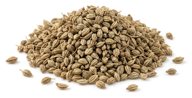 Carom seeds
Same as ajwain seeds: roast briefly and grind; use the same weight.


 Ground black cardamom
Use 0.5 g of ground seeds for each whole pod. Stir directly into the curry base; delivers identical smoky flavour without woody husks.
 Green cardamom pod
Use equal pod count or weight. Crack slightly and fry whole; tastes sweet, menthol-fresh, and floral rather than dark and smoky.


Similar dishes
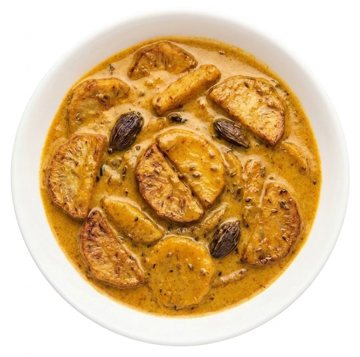
- Same: Rajasthani Arabi shares ground turmeric, garam masala, and salt with this dish.
- Different: Instead of roasting skewered produce with butter, chaat masala, and sugar, Rajasthani Arabi fries taro root in vegetable oil and simmers it in a yogurt gravy seasoned with ajwain, ginger, garlic, cloves, and black cardamom.

- Same: Kochu Sagar Ghonto shares ground turmeric, black pepper, granulated sugar, salt, and rich dairy fat with this dish.
- Different: Instead of oven-roasting skewered fruits and vegetables in butter with chaat masala, Kochu Sagar Ghonto simmers and mashes arum stalks and moong lentils with ghee, milk, lime juice, bay leaves, coriander, and dried red chillies.

- Same: Masala Arabi shares the use of ground turmeric, salt, and a dairy fat—ghee instead of butter—with this dish.
- Different: Instead of oven-roasting skewered fruits and vegetables with chaat masala and sugar, Masala Arabi coats taro root in a stovetop sauce of yogurt, ginger, green chillies, ajwain, coriander, and asafoetida.
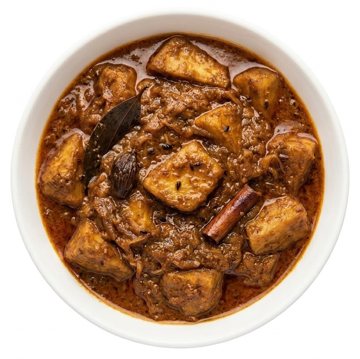
- Same: Dum ki Arabi and this dish both use oil, yogurt, turmeric, black cardamom and salt in an Indian spiced preparation.
- Different: Dum ki Arabi is a slow-cooked taro curry with caramelised onion, ginger-garlic paste and a yogurt gravy, while this dish is a roasted skewered salad of potato, sweet potato, pineapple, apple, pear, guava, mushroom and bell pepper with butter, balsamic vinegar, malt vinegar, amchoor and chaat masala.