Indian cooking
Indian cooking / Dishes / Rajasthani Arabi
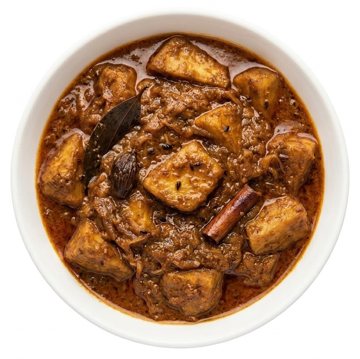
Rajasthani Arabi (Colocasia (Taro Root) in Yoghurt Sauce)

Rajasthani Arabi

Colocasia (Taro Root) in Yoghurt Sauce
Vegetarian●●●Origin RajasthanPrep 30 minutes, plus cooling timeCook 20 minutes

Tender slices of taro root fried until crisp and lightly browned, then simmered in a tangy, spiced yoghurt gravy fragrant with ajwain and black cardamom.

Spices for the yoghurt sauce

21 gWhisked into the yoghurt base (step 2)
Combine the pastes and ground spices together in a small bowl.

Whole spices

6 gBloomed in the hot oil (step 3)
01
0.2–0.3 g3–4 cloves
spice
03
2 g1 teaspoon
spice
Keep whole: they go into the hot oil together.

Garam masala

2.6 gStirred into the oil right after the whole spices (step 4)
01
2.6 g1 teaspoon
spice blend
Keep ready to sprinkle into the pan.

Everything else

01
300 g
vegetable
02
259 g250 ml
dairy
03
4 g2 teaspoons
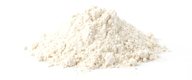
flour
04
54 g4 tablespoons
oil/fat
05
to taste
salt

Method

  1. Place 300 g colocasia and 750 ml water into a heavy pan. Bring to a boil over high heat, cover with a lid, reduce to medium, and simmer for 20 minutes. Drain, leave until cool enough to handle, peel away the skins, and slice the flesh into 1-cm thick rounds.
  2. Whisk 259 g yogurt, 2 teaspoon gram flour, the spices for the yoghurt sauce, 250 ml water, and a pinch of salt together in a bowl until smooth, then set aside.
  3. Heat 54 g vegetable oil in a large, heavy pan over medium heat. Add the whole spices and sizzle for about 1 minute until fragrant and crackling.
  4. Sprinkle in the garam masala and season with salt to taste, stirring rapidly for 15 seconds. Tip in the sliced colocasia and fry for roughly 10 minutes, stirring periodically, until the edges turn light brown and any surface stickiness has cooked off.
  5. Turn the heat down to low and pour in the yoghurt mixture. Simmer while stirring gently for about 5 minutes until the sauce is smoothly combined and heated through.

Don't have something?

Colocasia
  • Potato

    Use the same weight. Peel, cut into similar pieces and parboil for 5 minutes before adding; it cooks faster than colocasia, so add later and simmer 10–15 minutes. The dish will be less sticky and nutty.

  • Sweet potato

    Use the same weight. Peel and cut into chunks; it softens faster and turns sweeter, so reduce cooking time by about 5 minutes and adjust sugar or tamarind if the recipe has any.

  • Indian yam

    Use the same weight. Peel, cut into pieces and cook 5–10 minutes longer than colocasia; it holds its shape well but is less slippery.

Yogurt
  • Plain yogurt

    Use 100% of the weight. Whisk thoroughly until smooth before stirring into warm gravies to prevent curdling.

  • Single cream

    Use 90% of the weight combined with 10% lemon juice to replicate the lactic tang and rich body in marinades and curries.

Gram flour
  • Chickpea flour

    Use the same weight. Gram flour is chickpea flour, so this is an exact swap with the same nutty flavour and binding.

  • Plain flour

    Use about 75–80% of the weight, e.g. 80 g for 100 g gram flour, and add a pinch of turmeric for colour. Less nutty and less crisp; good only for thickening or simple batters.

  • Rice flour

    Use the same weight for crispness, but it does not bind like gram flour; mix with a little plain flour if making pakora batter.

Ginger paste
  • Fresh ginger

    Use equal weight; peel and grate very finely on a microplane or pound to a fine paste in a mortar.

  • Ginger

    Use equal weight; mince finely and crush with the flat of a knife before frying.

  • Ground ginger

    Use 20% of the weight; add directly with the dry spice powders, though it yields an earthier, less pungent profile.

Garlic paste
  • Garlic

    Use equal weight; crush or finely grate to a smooth pulp to replicate the same fresh, pungent moisture in your base gravy.

  • Garlic powder

    Use 20 to 25% of the weight; mix with a teaspoon of water before adding to oil so it does not burn, noting it lacks the fresh bite.

Chilli powder
  • Red chilli powder

    Use 100% of the weight. Provides direct, sharp heat and red colour in equal measure.

  • Kashmiri chilli powder

    Use 150% to 200% of the weight if matching colour, but add a pinch of black pepper or hot chilli if you need equivalent fiery heat.

  • Cayenne pepper

    Use 75% to 100% of the weight. Offers a sharp, clean heat with slightly less earthy depth and less crimson colour.

Ground turmeric
  • Ground ginger

    Use 50% of the weight. Mimics turmeric's warm, earthy, rhizome background, but provides none of the golden-yellow colour.

  • Saffron

    Steep a tiny pinch (0.1 g per 2 g turmeric) in 2 tbsp warm water; use to match the rich golden hue. Contributes an aristocratic, honeyed floral flavour rather than earthy bitterness.

Vegetable oil
  • Peanut oil

    Use 1:1 by weight. Handles high-heat frying identically and introduces a very subtle, pleasant nuttiness.

  • Ghee

    Use 1:1 by weight. Yields a much richer, authentic aroma and a glossy, heavier mouthfeel.

  • Mustard oil

    Use 1:1 by weight. Heat until smoking, then cool slightly before cooking to temper its intensely pungent, sharp mustard kick.

Clove
  • Ground cloves

    Use 1 g ground for 4 g whole (or 1 small pinch per 2 to 3 whole cloves). Add with spice powders; disperses intense warmth quickly, so use with restraint.

  • Allspice berries

    Use 100% of the weight whole in tempering. Imparts a warm, clove-like aromatic profile combined with hints of nutmeg and cinnamon.

  • Black cardamom pod

    Use 1 pod for 3 to 4 cloves in whole tempering. Shares a camphor-like warmth and medicinal depth, though it introduces a distinct smoky undertone.

Black cardamom pod
  • Ground black cardamom

    Use 0.5 g of ground seeds for each whole pod. Stir directly into the curry base; delivers identical smoky flavour without woody husks.

  • Green cardamom pod

    Use equal pod count or weight. Crack slightly and fry whole; tastes sweet, menthol-fresh, and floral rather than dark and smoky.

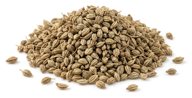
Ajwain seed
  • Carom seed

    Use the same weight; this is the same spice.

  • Cumin seed

    Use 75% of the weight, toasted; different, less medicinal flavour.

  • Fennel seed

    Use 50% of the weight, crushed; sweeter and milder.

Garam masala
  • Ground cumin

    Use 50% of the weight mixed with equal parts ground coriander and a pinch of ground cinnamon, ground cloves, and ground green cardamom. Sprinkle near the end for a warming finish.


  • Lentil stew spice mix

    Use 75% of the weight. Simmer briefly in the gravy; imparts roasted warmth and complexity, though it adds a slight tang and earthy lentil undertone.

Similar dishes

Dum ki Arabi
Slow-cooked Colocasia (Taro Root)
Dum ki Arabi tastes richer, sweeter, and more aromatic from the caramelized onions and sweet whole spices, whereas this dish is tangier from more yogurt and has the sharp, herbal bite of ajwain.
  • Same: Both dishes feature taro root simmered in a yogurt base with vegetable oil, ginger, garlic, cloves, black cardamom, turmeric, and chilli powder.
  • Different: Dum ki Arabi relies on slow-cooking with sliced and boiled onions, bay leaf, cinnamon, nutmeg, and cumin, while using roughly half the yogurt and omitting this dish's ajwain and garam masala.
Ajwaini Arabi
Ajwain-flavoured Colocasia (Taro Root)
Ajwaini Arabi has a rich, buttery, and sharp herbal profile rather than the tangy, saucy, and warmly spiced flavour of this dish.
  • Same: Ajwaini Arabi also features fried taro root seasoned with ajwain seeds and chilli powder.
  • Different: Ajwaini Arabi is prepared as a dry fry in ghee using only asafoetida, omitting this dish's yoghurt gravy, vegetable oil, ginger-garlic paste, turmeric, cloves, black cardamom, and garam masala.
Masala Arabi
Spicy Colocasia (Taro Root)
Masala Arabi is less tangy and rich, tasting sharper and fresher from the green chillies and ginger rather than warm and deeply spiced like this dish.
  • Same: Masala Arabi also features taro root prepared with yogurt, ajwain seeds, ginger, and turmeric.
  • Different: Masala Arabi is cooked in ghee with green chillies, asafoetida, and coriander leaves, using only a small amount of yogurt as a coating rather than simmering the taro in an oil- and garlic-based yogurt gravy with black cardamom and cloves.
Rarha Meat
Pot-roasted Lamb
Rarha Meat tastes meatier and richer with a thick reduced gravy, while this dish tastes tangy from yogurt with crisp fried taro and ajwain fragrance.
  • Same: Rarha Meat shares yogurt, ginger paste, garlic paste, turmeric, chilli powder, garam masala, black cardamom, and salt with this dish.
  • Different: Rarha Meat uses lamb, ghee or oil, onion, tomato, cinnamon, bay leaf, and coriander leaf, while this dish uses taro, gram flour, ajwain, and clove and fries the taro before simmering it in yogurt.