Indian cooking
Indian cooking / Dishes / Kochu Sagar Ghonto
Kochu Sagar Ghonto (Arum Stalk Curry)

Kochu Sagar Ghonto

Arum Stalk Curry
Vegetarian●●●Origin West BengalPrep 30–40 minutes, plus soaking timeCook 10 minutes

A traditional Bengali preparation of tender arum stalks and moong lentils, mashed and simmered with aromatic spices, coconut, and milk for a rich, savoury-sweet flavour.

Spices for boiling

3 gAdded to the boiling water with the lentils (step 2)
01
3 g1 teaspoon
spice
Keep ready to tip into the boiling pan.

Ground spices for mashing

4.1 gFolded into the mashed stalks (step 3)
Stir together to combine.

Tempering spices

3 gFried in the hot ghee (step 4)
01
1 g2 leaves
spice
Keep whole: they go into the hot fat together.

Everything else

01
Arum stalk · Arbi ke Danthalcut into 8-cm / 3-inch pieces
400 g4 stalks
vegetable
02
to taste
souring agent
04
8 g2 teaspoons
sweetener
05
13 g1 tablespoon
oil/fat
06
31 g2 tablespoons
dairy
07
to taste
salt

Method

  1. Submerge the arum stalks in a bowl of water seasoned with lime juice to taste and soak for 30 minutes, then drain.
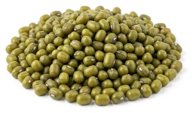
  2. Bring a pan of water to a boil and add the soaked stalks, 4 tablespoon roasted whole moong dal, and the spices for boiling. Simmer for 20 to 30 minutes until the lentils soften and the stalks turn mushy, then drain well.
  3. Transfer the drained mixture to a bowl and crush thoroughly with a wooden spatula. Mix in the ground spices for mashing, 2 cardamom seeds, 8.4 g granulated sugar, and salt to taste.
  4. Heat 13.2 g ghee in a large pan or kadhai over medium heat. Add 1 teaspoon aniseed and the tempering spices, stirring for about 1 minute until the chillies darken slightly.
  5. Tip the mashed stalk mixture into the pan and stir well. Cover and cook for roughly 5 minutes until the fat separates and rises to the surface.
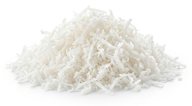
  6. Stir in 1 tablespoon ground coconut and 30.6 g milk until fully incorporated, then remove from the heat.

Don't have something?

Arum stalk
  • Lotus stem

    Use the same weight; peel, slice 5 mm thick and simmer 5–8 minutes longer until tender. It gives a similar crunchy, slightly fibrous bite but is less earthy.

  • Bamboo shoot

    Use the same weight; slice thin and boil 5 minutes first to remove bitterness. It is crunchier and more acidic, so taste the dish before adding extra souring.

  • Celery

    Use the same weight; cut into 5 cm batons and cook 3–4 minutes less. It is softer and more aromatic, not starchy.

Lime juice
  • Lemon juice

    Use equal volume or weight; slightly sweeter and less pungent, but otherwise an imperceptible swap.

  • Dried mango powder

    Use 25% of the weight; imparts dry, fruity sourness, best stirred in right at the end of cooking.

  • Tamarind extract

    Use 50% of the weight; delivers pleasant fruity tang but turns pale sauces considerably darker.

Ground turmeric
  • Ground ginger

    Use 50% of the weight. Mimics turmeric's warm, earthy, rhizome background, but provides none of the golden-yellow colour.

  • Saffron

    Steep a tiny pinch (0.1 g per 2 g turmeric) in 2 tbsp warm water; use to match the rich golden hue. Contributes an aristocratic, honeyed floral flavour rather than earthy bitterness.

Roasted whole moong dal
  • Roasted mung bean

    Use directly in the same weight; essentially the same ingredient.

  • Whole mung beans

    Dry-roast until fragrant; use the same weight, then cook as directed.

  • Whole mung bean

    Dry-roast until lightly coloured; use the same weight.

Ground coriander
  • Coriander seeds

    Dry-roast lightly in a pan and grind to a fine powder; use equal weight (1:1). Offers a noticeably fresher, brighter citrus note.

  • Ground cumin

    Use 50% to 75% of the weight. Lacks the floral, citrusy profile of coriander and turns the gravy heavier, earthier, and darker.

  • Garam masala

    Use 50% of the weight and stir in near the end of cooking. Adds warmth and depth since it contains ground coriander, but introduces stronger spices like clove and cinnamon.

Ground black pepper
  • Black peppercorn

    Use 1:1 by weight; pulverise in a spice mill or mortar to a fine powder for immediate, punchy heat.

  • Coarsely ground black pepper

    Use equal weight; offers the same bite, though it gives a visibly speckled finish and firmer crunch.

Green cardamom seed
  • Green cardamom pod

    Weigh roughly 2.5 times the seed requirement; crack pods open and discard the fibrous green husks.

  • Ground green cardamom

    Use 75% of the weight; stir in off the flame or near the end of cooking to maintain its fragrance.

Granulated sugar
  • Jaggery

    Use equal weight; grate or shave finely so it dissolves rapidly, giving a warm, caramel-like sweetness and slightly darker sauce.

Ghee
  • Unsalted butter

    Use 120% of the weight; melt gently over low heat to avoid burning the milk solids, which will yield a softer, creamier richness rather than a nutty aroma.


  • Vegetable oil

    Use 85% of the weight; holds high cooking temperatures without smoking, but the final dish will lack traditional dairy depth.

  • Mustard oil

    Use equal weight; heat to smoking point and cool slightly before cooking, bearing in mind it introduces an assertive, pungent edge.

Ground aniseed
  • Ground fennel seed

    Use the same weight; fennel is the closest everyday match, slightly sweeter and milder.

  • Aniseed

    Grind the same weight freshly; the aroma is stronger, so add it near the end.

  • Ground star anise

    Use about 50% of the weight; it is much more powerful and slightly liquorice-heavy.

Bay leaf
  • Cinnamon stick

    Use a 2 cm piece (about 1 g) for every 1 to 2 bay leaves. Fry in whole-spice temperings; provides the cassia-like warmth typical of Indian tejpatta.

  • Ground cinnamon (cassia)

    Use 0.5 g per leaf. Stir into the sauce during simmering; gives the same warm woodiness but darkens the colour slightly.

Dried red chilli
  • Dried kashmiri chilli

    Use equal weight whole. Fry in hot oil or ghee as tempered spice; gives a richer red colour with slightly milder heat.

  • Red chilli powder

    Use 50% to 70% of the weight. Stir into the oil with ground spices; distributes heat evenly throughout the dish without whole chilli skins.

Ground coconut
  • Desiccated coconut

    Use the same weight and grind finer; it is drier, so add 1–2 tbsp water if the recipe needs a wet paste.

  • Grated fresh coconut

    Use about 1.25 times the weight and blend to a paste; it is fresher and wetter, so reduce other liquid slightly.

  • Dried coconut

    Use the same weight, soak in warm water for 10 minutes, then grind; it is closer to fresh but still drier.

Milk
  • Whole milk

    Use equal weight; provides the standard rich dairy fat and body expected in creamy Indian bases.

  • Single cream

    Dilute 3 parts cream with 1 part water to match the weight; yields a richer, glossier gravy that resists curdling.

  • Plain yogurt

    Whisk thoroughly and use equal weight; adds extra body and a mild pleasant acidity, best added off the heat.

Similar dishes

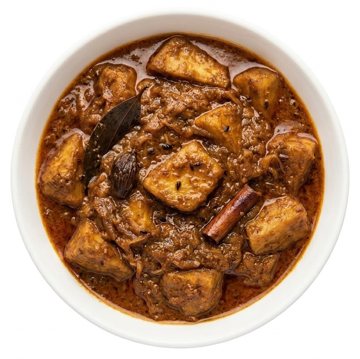
Masala Arabi
Spicy Colocasia (Taro Root)
Masala Arabi has a sharper, savory, and tangy profile from yogurt and ajwain, whereas this dish is milder and noticeably sweeter from milk and sugar.
  • Same: Both dishes feature parts of the colocasia plant cooked in ghee seasoned with ground turmeric and ground coriander.
  • Different: Masala Arabi uses taro root chunks cooked with yogurt, ajwain, ginger, asafoetida, and green chillies instead of mashed arum stalks simmered with milk, sugar, black pepper, dried chillies, and lime juice.
Dum ki Arabi
Slow-cooked Colocasia (Taro Root)
Dum ki Arabi is savory, warmly spiced, and tangy from yogurt, lacking the sweet, milky, and citrus-tart flavor of this dish.
  • Same: Both dishes use parts of the colocasia plant seasoned with bay leaf, turmeric, and ground coriander.
  • Different: Dum ki Arabi cooks taro roots in vegetable oil within a yogurt, onion, ginger, garlic, and whole warm spice gravy, whereas this dish uses arum stalks simmered in ghee with milk, sugar, and lime juice.
Arbai ke Patte
Yam Leaf Wraps with Spicy Lentil Paste Filling
Arbai ke Patte tastes earthy and savoury with sharp green chilli and tangy amchoor, while this dish is richer and savoury-sweet from coconut, milk, and sugar.
  • Same: Both are Indian vegetable-and-lentil preparations seasoned with turmeric, coriander, and chilli and cooked by simmering.
  • Different: Arbai ke Patte uses urad dal paste wrapped in yam leaves, crisp-fries the parcels in vegetable oil, and sours them with amchoor and green chilli, while this dish uses arum stalk and moong dal mashed with ghee, milk, coconut, sugar, and lime juice.
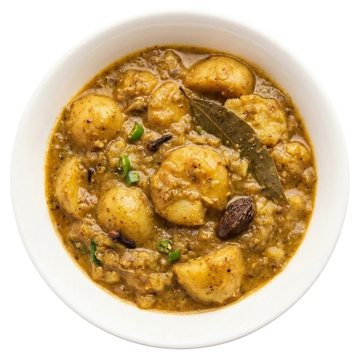
Chharra Aloo
'Marbled' Potatoes in Sauce
Chharra Aloo tastes tangy, fragrant, and chilli-spicy, while this dish tastes savoury-sweet and rich from coconut and milk.
  • Same: Chharra Aloo shares ghee, bay leaf, ground aniseed, ground coriander, ground turmeric, and ground black pepper with this dish.
  • Different: Chharra Aloo uses potato instead of arum stalk and moong dal, and it has amchoor, cumin, chilli powder, garam masala, green chilli, clove, and black cardamom but lacks lime juice, sugar, milk, coconut, green cardamom, and dried red chilli; it is simmered as crushed potatoes in gravy rather than mashed with lentils.