Indian cooking
Indian cooking / Dishes / Bengali Niramish Mangsho
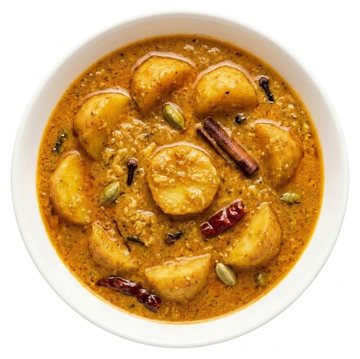
Bengali Niramish Mangsho (Slow-Cooked Lamb and Potato Curry with Fennel Seeds, Mustard Oil and Garam Masala)

Bengali Niramish Mangsho

Slow-Cooked Lamb and Potato Curry with Fennel Seeds, Mustard Oil and Garam Masala
Non-vegetarianOrigin East

A slow-cooked Bengali lamb curry with potatoes, fennel and garam masala, enriched with mustard oil and yoghurt. It is gently spicy, aromatic and rich, with tender lamb and soft potatoes.

Marinade chilli

1.3 gStirred into the yoghurt and mustard oil marinade (step 1)
Stir into the yoghurt mixture until evenly mixed.

Whole spices for the ghee

9 gAdded to the hot ghee before the ginger paste (steps 5–6)
Keep the whole spices intact; add the asafoetida once they sizzle.

Ground spices for the lamb

18 gStirred in with the marinated lamb (step 8)
02
0.8 g¼ teaspoon
spice
04
Fennel seed · Saunfcoarsely crushed
2 g1 teaspoon
spice
Mix together and keep ready to add with the lamb.

Finishing spices

2.3 gStirred in at the end with the green chilli (step 11)
Grind the whole spices to a fine powder and mix in the ground nutmeg.

Everything else

01
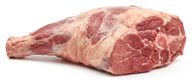
Leg of lamb · Mutton raancut in small pieces
700 g
meat
02
10 g2½ cm
aromatic
03
1.5 g1 chilli
vegetable
04
26 g2 tablespoons
oil/fat
05
4.2 g1 teaspoon
sweetener
06
348 g350 ml
liquid
07
Potato · Aloopeeled and cut into large chunks
250 g
vegetable
08
10 g2 chillies
vegetable
09
to taste
salt
10
45 g3 tablespoons
dairy
11
4.5 g1 teaspoon
oil/fat

Method

  1. Mix 45 g greek yoghurt, 4.5 g mustard oil and the marinade chilli (1.3 g kashmiri chilli powder) in a large bowl. Add 700 g bone-in lamb leg pieces and turn until coated. Cover and chill for 1 hour, or overnight.
  2. Blend 10 g fresh ginger root and 2 g green bird’s eye chilli with a splash of the 348 g water to a smooth paste.
  3. Grind 0.5 g cinnamon stick, 1.1 g green cardamom pod and 0.1 g clove to a fine powder, then mix with 0.6 g ground nutmeg.
  4. Heat 26.4 g ghee in a large saucepan over medium heat.
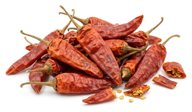
  5. Add the whole spices for the ghee: 3 g dried kashmiri chilli, 0.4 g dried bay leaf, 0.9 g green cardamom pod and 1.3 g cinnamon stick. Cook until they sizzle.
  6. Stir the asafoetida from the same masala (2.8 g) and 4.2 g granulated sugar into the ghee.
  7. Add the ginger-chilli paste and fry for 1 minute.
  8. Add the marinated lamb with its yoghurt and the ground spices for the lamb: 1.3 g kashmiri chilli powder, 0.8 g ground turmeric, 14.4 g coriander-cumin powder and 2 g fennel seed. Fry for 10–12 minutes, turning, until the lamb is sealed.
  9. Pour in the rest of the 348 g water and add salt to taste. Cover and simmer over low heat for 50 minutes, stirring once halfway.
  10. Add 250 g potato, peeled and cut into large chunks. Cover and cook for 25 minutes until soft.
  11. Lightly crush some of the potatoes against the side of the pan. Stir in the finishing spices and 10 g mild green chilli, slit lengthways.

Don't have something?

Leg of lamb
  • Leg of spring lamb

    Use the same weight; younger and tenderer, so reduce cooking by 10–15 minutes.

  • Lamb shoulder

    Use the same weight; more fat, so cook 15–20 minutes longer and skim excess fat.

  • Leg of goat

    Use the same weight; stronger flavour and tougher, so cook 15–20 minutes longer.

Fresh ginger
  • Ginger paste

    Use equal weight. Sauté in hot fat until the raw allium smell disappears; slightly wetter, but provides identical warmth and pungency.

  • Ground ginger

    Use 20% to 25% of the weight (1 g for every 4 to 5 g fresh). Stir into the gravy; adds peppery heat and warmth, though it misses the crisp, zesty kick of raw root.

Green bird's eye chilli
  • Bird's eye green chilli

    Use the same weight; heat and flavour are very close.

  • Green chilli

    Use 1.5 to 2 times the weight; deseed for less heat. Larger chillies are more watery.

  • Fresh green chilli

    Use 1.5 to 2 times the weight; chop finely and adjust heat by tasting.

Ghee
  • Unsalted butter

    Use 120% of the weight; melt gently over low heat to avoid burning the milk solids, which will yield a softer, creamier richness rather than a nutty aroma.

  • Vegetable oil

    Use 85% of the weight; holds high cooking temperatures without smoking, but the final dish will lack traditional dairy depth.

  • Mustard oil

    Use equal weight; heat to smoking point and cool slightly before cooking, bearing in mind it introduces an assertive, pungent edge.

Dried kashmiri chilli
  • Kashmiri chilli powder

    Use 1 g powder for every 1.5 g whole dried chilli; whisk with a spoonful of warm water and stir into the masala to provide identical ruby colour and mild heat.

  • Dried red chilli

    Use 35% to 40% of the weight; discard seeds before tearing into oil to temper. Delivers a much fiercer heat, with significantly less red colouring.

Bay leaf
  • Cinnamon stick

    Use a 2 cm piece (about 1 g) for every 1 to 2 bay leaves. Fry in whole-spice temperings; provides the cassia-like warmth typical of Indian tejpatta.

  • Ground cinnamon (cassia)

    Use 0.5 g per leaf. Stir into the sauce during simmering; gives the same warm woodiness but darkens the colour slightly.

Green cardamom pod
  • Green cardamom seed

    Use 35 to 40% of the total pod weight; lightly bruise the seeds before frying in oil to release their essential oils.

  • Ground green cardamom

    Use 20 to 25% of the pod weight (about 1 generous pinch per pod); stir in toward the end of cooking so the delicate floral notes do not dissipate.

  • White cardamom pod

    Use 1:1 by pod count or weight; crack gently before using, though it is slightly less intensely floral.

Cassia bark
  • Ceylon cinnamon

    True cinnamon: thinner, papery quills, milder and sweeter. Use about 1.5 times the weight, and taste.

  • Ground cinnamon (cassia)

    Use about a third of the weight (0.5 g ground for a 2.5 cm piece), stirred in with the ground spices rather than fried whole, since the powder burns quickly.

  • Cassia buds

    Use 60-70% of the weight; stronger and more peppery, so taste before adding more.

Asafoetida
  • Garlic powder

    Use double the weight. Stir into hot oil just before adding wet ingredients; mimics the allium savoury background without the sulphurous edge.

  • Garlic paste

    Use 2 g for every 0.5 g of asafoetida. Sauté in oil until the raw smell clears; adds moisture and sweet allium depth.

Granulated sugar
  • Jaggery

    Use equal weight; grate or shave finely so it dissolves rapidly, giving a warm, caramel-like sweetness and slightly darker sauce.

Kashmiri chilli powder
  • Dried kashmiri chilli

    Grind deseeded dried pods to an equal weight of powder; gives identical vivid red colour and gentle warmth.

  • Red chilli powder

    Use 25% of the weight mixed with sweet paprika for colour; straight red chilli powder is substantially hotter and will make the dish fiery.

  • Chilli powder

    Use one-third of the weight; the sauce will be less intensely red and notably sharper in heat.

Ground turmeric
  • Ground ginger

    Use 50% of the weight. Mimics turmeric's warm, earthy, rhizome background, but provides none of the golden-yellow colour.

  • Saffron

    Steep a tiny pinch (0.1 g per 2 g turmeric) in 2 tbsp warm water; use to match the rich golden hue. Contributes an aristocratic, honeyed floral flavour rather than earthy bitterness.

Coriander-cumin powder
  • Ground coriander

    Use the same weight and add ground cumin at half the weight if you have it; without cumin it is flatter.

  • Ground cumin

    Use only one-third of the weight and top up with ground coriander; cumin alone is too strong.

  • Coriander seeds

    Grind to powder and use the same weight; add a pinch of ground cumin. Toast first for more aroma.

Fennel seed
  • Aniseed

    Use 75% of the weight. Fry in hot oil or ghee; has a sharper, more pronounced liquorice flavour, so use a lighter hand.

  • Ground fennel seed

    Use 60% of the weight. Stir into the sauce with ground masalas; provides identical sweet aniseed flavour without whole seed crunch.

  • Star anise

    Use one point (single carpel) per 1 g of fennel seeds. Simmer in gravies and remove before serving; gives a deeper, woodier liquorice aroma.

Water
  • Stock

    Use the same weight in savoury dishes; it adds body, so adjust salt.

  • Milk

    Use the same weight only in doughs or creamy dishes; it makes the result richer.

  • Coconut water

    Use the same weight in curries or rice; it adds sweetness and a faint coconut taste.

Potato
  • Eggplant

    Use equal weight. Cut into large chunks; cooks down much faster (10-12 minutes) and softens into the sauce rather than staying starchy and firm.

  • Paneer

    Use 80% of the weight. Cube and add in the last 5-10 minutes of cooking; adds rich dairy protein instead of starchy bulk.

  • Dried chickpea

    Use 45% dry weight. Soak overnight and boil until fully soft before stirring into the sauce to simmer for 10 minutes.

Ground nutmeg
  • Nutmeg

    Grate whole nutmeg finely on a microplane; use 80% to 100% of the weight. Freshly grated nutmeg has significantly more aromatic oils and a more vibrant aroma.

  • Ground mace

    Use 100% to 120% of the weight. Mace is nutmeg's outer husk, providing almost identical warmth but with a lighter, slightly more delicate, floral edge.

  • Ground cinnamon (cassia)

    Use 75% of the weight. Adds comparable warmth and sweetness, though it lacks the musky, nutty undertone of nutmeg.

Mild green chilli
  • Mild chilli

    Use the same weight; deseed if you want less heat. Chop as required.

  • Jalapeño chilli

    Use the same weight; deseed for mildness. It is slightly firmer, so cook a minute longer.

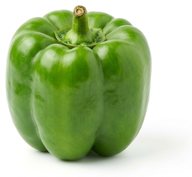
  • Green bell pepper

    Use twice the weight for bulk with no heat; chop small and cook a little longer.

Greek yoghurt
Mustard oil
  • Peanut oil

    Use equal weight. It handles high-heat cooking well, but lacks the signature pungent, nasal heat of mustard oil.

  • Vegetable oil

    Use equal weight. Neutral in flavour, so your curry will lack the characteristic Bengali or North Indian pungent punch.

Clove
  • Ground cloves

    Use 1 g ground for 4 g whole (or 1 small pinch per 2 to 3 whole cloves). Add with spice powders; disperses intense warmth quickly, so use with restraint.

  • Allspice berries

    Use 100% of the weight whole in tempering. Imparts a warm, clove-like aromatic profile combined with hints of nutmeg and cinnamon.


  • Black cardamom pod

    Use 1 pod for 3 to 4 cloves in whole tempering. Shares a camphor-like warmth and medicinal depth, though it introduces a distinct smoky undertone.

Similar dishes

Attirachi Perelan
Malabar Spicy Lamb Curry
Attirachi Perelan tastes savoury, spicy and lightly creamy from coconut milk with tomato and pepper notes, while this dish is gentler, more aromatic and richer from yoghurt, ghee and mustard oil.
  • Same: Attirachi Perelan shares bone-in lamb, potato, fennel seed, green bird’s-eye chilli, Kashmiri chilli powder, green cardamom and salt with this dish.
  • Different: Attirachi Perelan uses a turmeric marinade, onion-tomato masala, garlic, ginger, curry leaves, black peppercorn, coconut milk, vegetable oil and lamb stock or water, while this dish uses ghee, mustard oil, yoghurt, asafoetida, sugar, bay leaf, cinnamon, clove, nutmeg and coriander-cumin powder and has no tomato or coconut milk.
Bengali Kosha Mangsho
Marinated Lamb Curry with Mustard, Yoghurt and Spices
Bengali Kosha Mangsho tastes richer and more tangy from lemon, tomato and yoghurt, with a thicker onion-garlic gravy, while this dish is gentler and more aromatic from fennel, asafoetida, nutmeg and ghee.
  • Same: Bengali Kosha Mangsho shares lamb, potato, yoghurt, mustard oil, ginger, turmeric, Kashmiri chilli and whole warm spices with this dish, and both are slow-cooked Bengali curries.
  • Different: Bengali Kosha Mangsho adds garlic, onion, tomato purée and lemon juice and uses vegetable oil as its main fat, while this dish uses ghee, fennel seed, asafoetida and nutmeg and has no onion, garlic, tomato or lemon.
Aloo Dum
Potato Curry
Aloo Dum tastes milder, creamier and sweeter from yogurt, khoya and sugar, with less chilli heat and no mustard-oil pungency, while this dish is more aromatic from fennel and garam masala and richer from lamb.
  • Same: Aloo Dum shares potatoes, yogurt, asafoetida, bay leaf, turmeric, cardamom, cinnamon, clove, sugar and salt with this dish.
  • Different: Aloo Dum lacks lamb, fennel seed, coriander-cumin powder, nutmeg, mustard oil and fresh green chilli, and it uses fried potatoes in a milk-and-khoya gravy with much more ghee and sugar, while this dish slow-cooks bone-in lamb with potatoes in a yoghurt gravy.
Bengali Ghugni
Chickpea Curry with Tamarind, Ginger and Chillies
Bengali Ghugni is tangy and slightly sweet-sour from tamarind, hearty and lightly spicy, while this dish is rich, aromatic and gently spicy from lamb, yoghurt and mustard oil.
  • Same: Bengali Ghugni shares potato, fennel seed, ginger, turmeric, Kashmiri chilli powder, bay leaf, green cardamom and cinnamon with this dish.
  • Different: Bengali Ghugni uses tinned chickpeas, onion, vegetable oil and tamarind chutney, while this dish uses bone-in lamb, ghee, mustard oil, yoghurt, asafoetida and nutmeg and is slow-cooked.