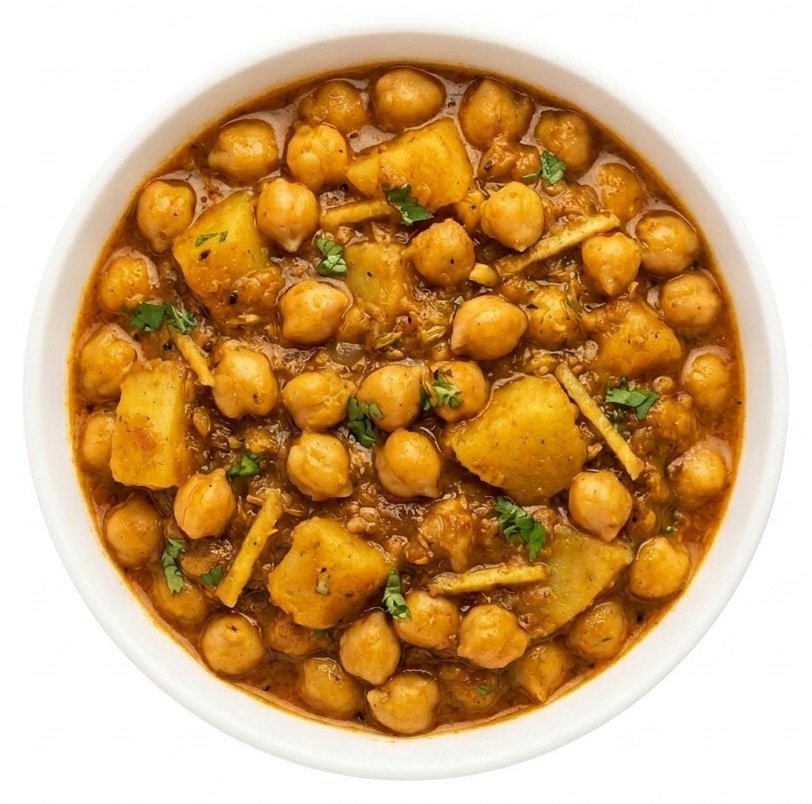
Bengali Ghugni
A thick, tangy Bengali chickpea and potato curry, soured with tamarind and lifted with ginger and freshly ground garam masala. It is hearty, lightly spicy and slightly sweet-sour.
Garam masala
10 gGround at the start, then 1 tsp stirred in near the end (steps 1 and 5)Ground spices for the chickpeas
6 gStirred in with the chickpeas and potatoes (step 3)Everything else

Method
- Grind 1.7 g coriander seeds, 1.1 g cumin seed, 0.2 g dried bay leaf, 0.7 g green cardamom pod and 6.5 g cinnamon stick to a fine powder; set aside.
- Heat 40.5 g vegetable oil in a large saucepan over medium heat. Add 100 g onion and fry for 7–8 minutes, stirring, until softened.
- Add 480 g tinned chickpeas, 115 g potato and the masala. Fry for 2 minutes.
- Pour in 398 g water and add salt to taste. Bring to the boil, cover and simmer for 25–30 minutes, stirring once halfway.
- Crush some of the potato against the pan to thicken the gravy. Stir in 10 g fresh ginger root, 1 tsp of the garam masala and 2 g coriander leaf. Simmer uncovered for 5 minutes.
- Stir in 54 g tamarind chutney. Serve with sliced red onion and extra tamarind chutney.
Don't have something?


 Peanut oil
Use 1:1 by weight. Handles high-heat frying identically and introduces a very subtle, pleasant nuttiness.
 Ghee
Use 1:1 by weight. Yields a much richer, authentic aroma and a glossy, heavier mouthfeel.
 Mustard oil
Use 1:1 by weight. Heat until smoking, then cool slightly before cooking to temper its intensely pungent, sharp mustard kick.





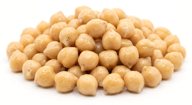
 Dried chickpea
Use 40–45% of the weight (100 g dried for 240 g drained tinned), soak overnight with a pinch of bicarbonate of soda, then boil 45–60 minutes until soft.
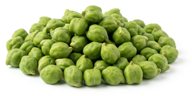 Green chickpea
Same weight, fresh or frozen; boil 10–15 minutes, they stay firmer and sweeter and need a little more salt.


 Eggplant
Use equal weight. Cut into large chunks; cooks down much faster (10-12 minutes) and softens into the sauce rather than staying starchy and firm.
 Paneer
Use 80% of the weight. Cube and add in the last 5-10 minutes of cooking; adds rich dairy protein instead of starchy bulk.
- Dried chickpea
Use 45% dry weight. Soak overnight and boil until fully soft before stirring into the sauce to simmer for 10 minutes.


 Dried kashmiri chilli
Grind deseeded dried pods to an equal weight of powder; gives identical vivid red colour and gentle warmth.
 Red chilli powder
Use 25% of the weight mixed with sweet paprika for colour; straight red chilli powder is substantially hotter and will make the dish fiery.
 Chilli powder
Use one-third of the weight; the sauce will be less intensely red and notably sharper in heat.


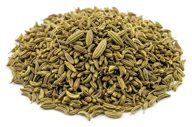 Aniseed
Use 75% of the weight. Fry in hot oil or ghee; has a sharper, more pronounced liquorice flavour, so use a lighter hand.
 Ground fennel seed
Use 60% of the weight. Stir into the sauce with ground masalas; provides identical sweet aniseed flavour without whole seed crunch.
 Star anise
Use one point (single carpel) per 1 g of fennel seeds. Simmer in gravies and remove before serving; gives a deeper, woodier liquorice aroma.


 Ground ginger
Use 50% of the weight. Mimics turmeric's warm, earthy, rhizome background, but provides none of the golden-yellow colour.
 Saffron
Steep a tiny pinch (0.1 g per 2 g turmeric) in 2 tbsp warm water; use to match the rich golden hue. Contributes an aristocratic, honeyed floral flavour rather than earthy bitterness.


 Stock
Use the same weight in savoury dishes; it adds body, so adjust salt.
 Milk
Use the same weight only in doughs or creamy dishes; it makes the result richer.
 Coconut water
Use the same weight in curries or rice; it adds sweetness and a faint coconut taste.


 Ginger paste
Use equal weight. Sauté in hot fat until the raw allium smell disappears; slightly wetter, but provides identical warmth and pungency.
- Ground ginger
Use 20% to 25% of the weight (1 g for every 4 to 5 g fresh). Stir into the gravy; adds peppery heat and warmth, though it misses the crisp, zesty kick of raw root.


 Tamarind paste
Dilute with water to chutney consistency, then add jaggery or sugar and salt. Use the same weight of paste as chutney, then adjust.
 Tamarind extract
Use the same weight, sweeten with jaggery or sugar and add salt. Slightly more concentrated, so taste as you go.
 Date and tamarind chutney
Use the same weight; sweeter and thicker. Add lime juice or a little tamarind paste if too sweet.


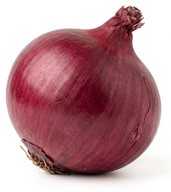
- Onion
Use the same weight; cook a little longer. Milder and less sweet when raw.
 Shallot
Use the same weight; sweeter and softer, so reduce cooking time slightly.
 Spring onion
Use only the white parts, weight for weight, for raw or quick-cooked dishes; green parts are too grassy for long cooking.


 Ground coriander
Use 75% of the weight; stir in along with wet masala or tomato purée rather than frying in hot oil, as the fine powder burns instantly.
 Cumin seed
Use 50% of the weight for tempering in hot oil. Lacks the floral, sweet citrus flavour of coriander, introducing warm, pungent earthiness instead.
- Fennel seed
Use 50% of the weight in tempering; provides pleasant aromatic sweetness, though noticeably aniseedy rather than citrusy.

 Ground cumin
Use 70% of the weight; add with ground spices or sauce bases rather than hot oil tempering, where it scorches quickly and turns bitter.
 Black cumin seeds
Use equal weight for oil tempering. Delivers an earthy profile with an additional musky, smoky, and slightly bitter edge.
- Fennel seed
Use 60% of the weight for tempering; offers comparable warm aroma, but leans sweet and liquorice-like rather than savoury and earthy.


 Cinnamon stick
Use a 2 cm piece (about 1 g) for every 1 to 2 bay leaves. Fry in whole-spice temperings; provides the cassia-like warmth typical of Indian tejpatta.
 Ground cinnamon (cassia)
Use 0.5 g per leaf. Stir into the sauce during simmering; gives the same warm woodiness but darkens the colour slightly.


 Green cardamom seed
Use 35 to 40% of the total pod weight; lightly bruise the seeds before frying in oil to release their essential oils.
 Ground green cardamom
Use 20 to 25% of the pod weight (about 1 generous pinch per pod); stir in toward the end of cooking so the delicate floral notes do not dissipate.
 White cardamom pod
Use 1:1 by pod count or weight; crack gently before using, though it is slightly less intensely floral.


 Ceylon cinnamon
True cinnamon: thinner, papery quills, milder and sweeter. Use about 1.5 times the weight, and taste.
- Ground cinnamon (cassia)
Use about a third of the weight (0.5 g ground for a 2.5 cm piece), stirred in with the ground spices rather than fried whole, since the powder burns quickly.
 Cassia buds
Use 60-70% of the weight; stronger and more peppery, so taste before adding more.


Similar dishes

- Same: Aloogadda Vepudu shares potato, onion, turmeric, cumin seed, coriander seeds, green cardamom, cinnamon and salt with this dish.
- Different: Aloogadda Vepudu is a dry potato curry cooked with ghee, mustard seed, black peppercorn, dried red chilli, clove, curry leaf and lemon juice, while this dish is a chickpea-and-potato curry soured with tamarind chutney and flavoured with ginger, fennel seed and bay leaf.

- Same: Batata Vada shares potato, vegetable oil, cumin, turmeric, Kashmiri chilli and salt with this dish, and both use chickpea in some form.
- Different: Batata Vada is deep-fried mashed-potato balls in a chickpea-flour batter with garlic, curry leaf, asafoetida and lemon juice, while this dish is a chickpea-and-potato curry with onion, ginger, tamarind chutney, water and whole spices such as fennel, coriander seed, bay leaf, cardamom and cinnamon.

- Same: Ghashhi and this dish are both chickpea and potato curries soured with tamarind and seasoned with turmeric, coriander seeds, dried red chilli and vegetable oil.
- Different: Ghashhi uses dried chickpeas, much more potato, fresh coconut, tamarind extract, a mustard-seed and asafoetida tempering with curry leaves, and no onion, ginger, fennel, cumin, cinnamon, cardamom, bay leaf or tamarind chutney, while this dish uses tinned chickpeas, tamarind chutney, onion, ginger and a garam masala-style spice mix.
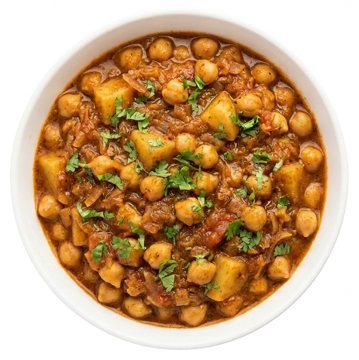
- Same: Channa Masala shares chickpeas, potato, onion, turmeric, chilli powder and coriander leaf with this dish.
- Different: Channa Masala uses tomato, garlic paste and ghee or oil and has no tamarind, fennel or whole garam masala spices, while this dish is soured with tamarind chutney and seasoned with whole cinnamon, cardamom, bay, cumin and coriander seeds.