Indian cooking
Indian cooking / Dishes / Keema Baida Roti
Keema Baida Roti (Crispy Fried Flatbread Stuffed with Spicy Lamb, Chilli & Coriander)

Keema Baida Roti

Crispy Fried Flatbread Stuffed with Spicy Lamb, Chilli & Coriander
Non-vegetarianMakes 4

Keema baida roti is a thin flour flatbread wrapped around spiced minced lamb and egg, then fried until crisp. The filling is savoury and warm with chilli and garam masala, with lime and coriander lifting the richness.

Whole cardamom for the oil

0.9 gAdded to the hot oil at the start of the filling (step 1)
Keep the pods whole; they go into the oil as they are.

Chilli powder for the lamb

2.6 gStirred into the browned lamb (step 6)
Keep ready to stir in.

Fenugreek for the simmer

6 gAdded before covering the pan (step 7)
Keep ready; add after the chilli has cooked in.

Finishing garam masala

2.6 gStirred in off the heat at the end of the filling (step 8)
01
2.6 g1 teaspoon
spice blend
Keep ready; add once the pan is off the heat.

Everything else

01
40 g3 tablespoons
oil/fat
02
Onion · Pyazfinely chopped
100 g
vegetable
03
Garlic · Lehsunground to a paste
18 g6 cloves
aromatic
04
Fresh ginger · Adrakground to a paste
20 g5 cm
aromatic
05
31 g2 tablespoons
vegetable
07
to taste
salt
08
1.5 g1 chilli
vegetable
09
1 g1 tablespoon
herb
10
25 g½ lime
fruit
12
14 g1 tablespoon
oil/fat
13
~0.3 gpinch
salt
14
100–150 g2–3 eggs
egg
15
50 g
oil/fat

Method

  1. Heat 40.5 g vegetable oil in a non-stick saucepan over medium heat. Add the whole cardamom for the oil and cook for 10 seconds.
  2. Add 100 g finely chopped onion and cook for 7–8 minutes until light brown.
  3. Stir in 18 g garlic paste and 10 g ginger paste. Cook for 1 minute, stirring often.
  4. Add 31.2 g tomato purée and cook for 2 minutes.
  5. Add 350 g minced lamb. Cook for 3 minutes, stirring continuously.
  6. Stir in the chilli powder for the lamb and cook for 2 minutes, until the meat is coloured through.
  7. Add the fenugreek for the simmer and salt to taste. Cover and simmer over low heat for 4 minutes, stirring once or twice, until evenly mixed.
  8. Take the pan off the heat. Stir in the finishing garam masala, 2 g chopped green bird's-eye chilli, 1 g chopped coriander leaf and the juice of 25 g lime. Tilt the pan and spoon off excess oil. Cool completely.
  9. For the dough, mix 210 g plain flour, 13.5 g vegetable oil and 0.3 g sea salt in a large bowl. Add 110 ml water gradually, kneading as the dough comes together.
  10. Cover the dough and leave to rest for 1 hour.
  11. Divide the dough and cooled filling into 4 equal portions. Lightly beat 100–150 g egg.
  12. Heat a non-stick frying pan over medium heat.
  13. For one roti, rub a little of the 50 g ghee into a dough portion and roll it very thin to a 25 cm round.
  14. Put one filling portion in the centre. Make a well in the filling and spoon a quarter of the beaten egg into it.
  15. Fold the sides of the roti over the filling, overlapping them to make a parcel. Work quickly.
  16. Add 1 tsp of the 50 g ghee to the pan. Place the parcel in the pan and fry over medium heat for 3–4 minutes on one side.
  17. Brush the top with a little ghee, flip the parcel and cook for 3–4 minutes on the other side. Press down lightly.
  18. Flip again and cook for 2 minutes more. Keep warm. Repeat with the remaining dough, filling, egg and ghee.

Don't have something?

Vegetable oil
  • Peanut oil

    Use 1:1 by weight. Handles high-heat frying identically and introduces a very subtle, pleasant nuttiness.

  • Ghee

    Use 1:1 by weight. Yields a much richer, authentic aroma and a glossy, heavier mouthfeel.

  • Mustard oil

    Use 1:1 by weight. Heat until smoking, then cool slightly before cooking to temper its intensely pungent, sharp mustard kick.

Green cardamom pod
  • Green cardamom seed

    Use 35 to 40% of the total pod weight; lightly bruise the seeds before frying in oil to release their essential oils.

  • Ground green cardamom

    Use 20 to 25% of the pod weight (about 1 generous pinch per pod); stir in toward the end of cooking so the delicate floral notes do not dissipate.

  • White cardamom pod

    Use 1:1 by pod count or weight; crack gently before using, though it is slightly less intensely floral.

Onion
  • Shallot

    Use equal weight, finely sliced. Shallots soften and brown faster, giving a slightly sweeter and more delicate base to curries.

  • Cabbage

    Use 80% of the weight, finely shredded and browned slowly with a pinch of asafoetida. Replicates the bulk and natural sweetness in gravies without allium.

Garlic
  • Garlic paste

    Use equal weight. Fry gently in oil or ghee with the ginger; incorporates smoothly into curries without visible minced bits.

  • Garlic powder

    Use 15% to 20% of the weight (about 1 g for every 5 to 6 g fresh cloves). Whisk into sauces; gives a savoury, toasted garlic flavour without raw pungency.

  • Shallot

    Use 1.5 times the weight, very finely minced. Sauté until golden; provides savoury allium sweetness, though it lacks garlic's pungent sulphur bite.

Fresh ginger
  • Ginger paste

    Use equal weight. Sauté in hot fat until the raw allium smell disappears; slightly wetter, but provides identical warmth and pungency.

  • Ground ginger

    Use 20% to 25% of the weight (1 g for every 4 to 5 g fresh). Stir into the gravy; adds peppery heat and warmth, though it misses the crisp, zesty kick of raw root.

Tomato purée
  • Tomato

    Use 200% to 250% of the weight. Finely grate or blend fresh tomatoes, then cook them down until the moisture evaporates and the oil separates.

Minced lamb
  • Ground lamb

    Use the same weight; it is the same thing under another name and cooks identically.

  • Minced chicken

    Use the same weight; it is leaner, so add 1 tbsp oil and cook 3–4 minutes less.

  • Boneless lamb

    Mince at home; use the same weight. Keep some fat for juiciness and cook until browned.

Kashmiri chilli powder
  • Dried kashmiri chilli

    Grind deseeded dried pods to an equal weight of powder; gives identical vivid red colour and gentle warmth.

  • Red chilli powder

    Use 25% of the weight mixed with sweet paprika for colour; straight red chilli powder is substantially hotter and will make the dish fiery.

  • Chilli powder

    Use one-third of the weight; the sauce will be less intensely red and notably sharper in heat.

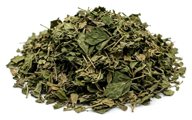
Dried fenugreek leaf
  • Dried fenugreek leaves

    Use the same weight, crush between your palms before adding. This is effectively the same ingredient.

  • Fresh fenugreek leaves

    Use about 4 times the weight, add later in cooking. Milder and leafier; less of the dried maple-hay aroma.

  • Ground dried fenugreek leaf

    Use the same weight and stir in early. Same flavour but no visible leaf specks.

Garam masala
  • Ground cumin

    Use 50% of the weight mixed with equal parts ground coriander and a pinch of ground cinnamon, ground cloves, and ground green cardamom. Sprinkle near the end for a warming finish.

  • Lentil stew spice mix

    Use 75% of the weight. Simmer briefly in the gravy; imparts roasted warmth and complexity, though it adds a slight tang and earthy lentil undertone.

Green bird's eye chilli
  • Bird's eye green chilli

    Use the same weight; heat and flavour are very close.

  • Green chilli

    Use 1.5 to 2 times the weight; deseed for less heat. Larger chillies are more watery.

  • Fresh green chilli

    Use 1.5 to 2 times the weight; chop finely and adjust heat by tasting.

Coriander leaf
  • Coriander

    Use equal weight finely chopped; this is the exact same fresh herb.

  • Mint

    Use half the weight finely chopped; provides vibrant green freshness, though the flavour profile becomes noticeably cooler and sharper.

Lime
  • Lemon

    Use the same weight; sharper and less floral, so reduce any extra souring slightly.

  • Lemon juice

    Use about 30 g juice per lime (2 tbsp), strain pips; add at the end for fresh sourness.

  • Dried mango powder

    Use 1 g amchoor for about 15 g lime juice; add early with spices; gives dry mango sourness, not citrus aroma.

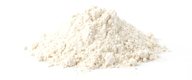
Plain flour
  • Whole wheat flour

    Use the same weight, add 10–15% more water and rest the dough for 20 minutes; the result is heavier and nuttier.

  • Rice flour

    Use the same weight for crisp coatings; for doughs use no more than half rice flour with wheat flour, or it will be crumbly.

  • Cornflour

    For thickening use half the weight, mixed with cold water; it is not suitable for bread or chapati dough.

Egg
  • Chickpea flour

    For binding, use about 10 g chickpea flour mixed with 20 ml water per egg and rest for 10 minutes. Denser and nuttier; not suitable for baking or coating in the same way.

  • Full-fat natural yoghurt

    Use about 30 g per egg for moisture and binding in koftas or fillings. Adds tang and softness; will not set or glaze like egg.

  • Tofu

    Use the same weight, mashed, for egg-like bulk in curries. Soft and bland; add extra spices and do not expect it to bind.

Ghee
  • Unsalted butter

    Use 120% of the weight; melt gently over low heat to avoid burning the milk solids, which will yield a softer, creamier richness rather than a nutty aroma.


  • Vegetable oil

    Use 85% of the weight; holds high cooking temperatures without smoking, but the final dish will lack traditional dairy depth.

  • Mustard oil

    Use equal weight; heat to smoking point and cool slightly before cooking, bearing in mind it introduces an assertive, pungent edge.

Similar dishes

Mumbai Frankie Rolls
Mumbai Frankie Rolls tastes tangier from vinegar, lemon and chutney and gently hot, with a soft egg-coated paratha, while this dish is crisp-fried and richer with lime and coriander.
  • Same: Mumbai Frankie Rolls shares lamb, egg, green chilli, garam masala and a wrapped flatbread format with this dish.
  • Different: Mumbai Frankie Rolls uses frozen paratha, leg of lamb, malt vinegar, yoghurt, cumin, red onion, lemon and mint-coriander chutney, while this dish uses a made flour dough, minced lamb, tomato purée, cardamom, dried fenugreek, lime and ghee.
Chaamp Masala
Spicy Lamb Chops Marinated in Garlic, Chilli & Garam Masala
Chaamp Masala tastes smoky, hot and chilli-garlicky from the marinade and smoked butter, while this dish is crisp outside with a savoury mince filling lifted by lime and coriander.
  • Same: Chaamp Masala shares lamb, garlic, ginger, green bird's-eye chilli, Kashmiri chilli powder and garam masala with this dish.
  • Different: It uses lamb chops marinated with chilli-garlic sauce and Worcestershire sauce and roasted with smoked butter, while this dish wraps minced lamb, egg and spices in a flour flatbread and fries it in vegetable oil and ghee.
Bengali Mangsho Ghugni
Slow-Cooked Lamb & Chickpea Curry
Bengali Mangsho Ghugni tastes like a soft, saucy lamb-and-chickpea curry with warm spice and lime, while this dish is crisp fried bread around savoury chilli-and-garam-masala lamb.
  • Same: Bengali Mangsho Ghugni shares lamb, onion, garlic, ginger, green bird's-eye chilli, Kashmiri chilli powder, garam masala, lime and vegetable oil with this dish.
  • Different: Bengali Mangsho Ghugni is a slow-cooked curry with chickpeas, bay leaf, clove, cumin, sugar and water, while this dish is a fried flour flatbread filled with minced lamb, egg and ghee.
Keeme ke Samose
Lamb Samosas
Keeme ke Samose tastes earthy and aromatic from turmeric and coriander seeds with a rich flaky fried pastry, while this dish is more chilli-hot and garam masala-warm with lime and coriander cutting the lamb's richness.
  • Same: Keeme ke Samose shares minced lamb, onion, garlic, ginger, coriander leaf, plain flour and salt with this dish, and both wrap spiced lamb in flour and fry it.
  • Different: Keeme ke Samose adds yogurt, turmeric and coriander seeds but lacks this dish's tomato purée, Kashmiri chilli powder, garam masala, dried fenugreek, lime, green bird's-eye chilli, egg and cardamom, and it uses ghee-rich pastry and deep-frying oil instead of a thin egg-wrapped flatbread.