Indian cooking
Indian cooking / Dishes / Rajasthani Laal Maas
Rajasthani Laal Maas (Spiced Bone Marrow Lamb Curry)

Rajasthani Laal Maas

Spiced Bone Marrow Lamb Curry
Non-vegetarianOrigin Rajasthan

A fiery Rajasthani lamb curry, deep red from Kashmiri chillies and enriched with ghee and marrow. It tastes hot, savoury and smoky, with tender lamb and sweet browned onions.

Marinade chilli powder

3.9 gStirred into the lamb with the garlic-ginger paste (step 2)
Keep dry; mix it into the lamb with the garlic-ginger paste.

Soaked red chilli paste

15 gBlended after draining (step 3)
01
Dried kashmiri chilli · Sukhi Kashmiri Mirchsoaked in 400 ml (13 fl oz/generous 1½ cups) warm water
15 g10 pods
spice
Drain, keep the soaking water, and blend to a fine paste with some of that water.

Whole spices for the ghee

6 gFried in the ghee before the onions (step 5)
Keep whole; fry them briefly in the hot ghee.

Finishing garam masala

1.3 gStirred in at the end (step 11)
01
1.3 g½ teaspoon
spice blend
Keep ground; stir it in just before serving.

Smoking aromatics

0.3 gPlaced in the smoking bowl (step 10, optional)
01
0.3 g4 cloves
spice
Keep whole; add to the hot coal and ghee.

Everything else

01
Garlic · Lehsunroughly chopped
24 g8 cloves
aromatic
02
Fresh ginger · Adrakroughly chopped
20 g5 cm
aromatic
03
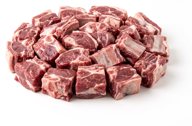
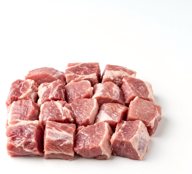
Lamb shoulder · Dastdiced into bite-sized pieces
750 g
meat
04
110 g120 ml
oil/fat
05
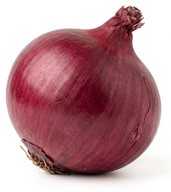
600 g
vegetable
06
Coriander · Dhaniachopped, to garnish
to taste
herb
07
40 g3 tablespoons
oil/fat
08
Fresh ginger · Adrakcut into matchsticks
10 g2½ cm
aromatic
10
to taste
salt
11
Marrow bone · Nalliask your butcher for this
~30 ghandful
meat
12
16 g1 tablespoon
vegetable
13
30 g1 piece
other
14
13 g1 tablespoon
oil/fat

Method

  1. Blend 24 g garlic, 10 g ginger and a splash of water to a paste.
  2. Put 1 tbsp of the garlic-ginger paste in a large bowl with 750 g lamb and the marinade chilli powder. Mix well and leave for a few hours or overnight. Keep the rest of the paste for later.
  3. Drain 15 g soaked dried kashmiri chillies and keep the 400 ml soaking water. Blend the chillies with 3 tbsp of the soaking water to a fine paste. Set aside.
  4. Heat 110 g vegetable oil in a large frying pan over medium heat. Add 600 g onion and fry for 45–50 minutes, stirring often, until evenly browned. Drain and set aside.
  5. Heat 39.6 g ghee in a heavy saucepan over medium heat. Add the whole spices for the ghee and fry for a few seconds. Add the fried onions and stir for 1 minute.
  6. Add the marinated lamb and cook over medium-high heat for 6–8 minutes, stirring well.
  7. Lower the heat to medium. Add 5 g ginger matchsticks, the reserved garlic-ginger paste and the soaked red chilli paste. Fry for 2 minutes.
  8. Pour in 596 g lamb stock or water. Add salt to taste and 30 g marrow bone. Cover and simmer over low heat for 30 minutes.
  9. Stir in 15.6 g tomato purée. Cover and simmer for another 40–45 minutes, stirring halfway through. Turn off the heat and leave to rest.
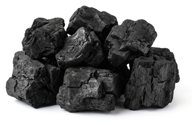
  10. For the optional smoky flavour, heat 30 g coal until glowing. Put it in a small heatproof bowl with the smoking aromatics and 13.2 g ghee. Set the bowl in the middle of the curry pan, cover with a lid, leave for 10 minutes, then remove the bowl.
  11. Stir the finishing garam masala and chopped coriander into the curry.

Don't have something?

Garlic
  • Garlic paste

    Use equal weight. Fry gently in oil or ghee with the ginger; incorporates smoothly into curries without visible minced bits.

  • Garlic powder

    Use 15% to 20% of the weight (about 1 g for every 5 to 6 g fresh cloves). Whisk into sauces; gives a savoury, toasted garlic flavour without raw pungency.

  • Shallot

    Use 1.5 times the weight, very finely minced. Sauté until golden; provides savoury allium sweetness, though it lacks garlic's pungent sulphur bite.

Fresh ginger
  • Ginger paste

    Use equal weight. Sauté in hot fat until the raw allium smell disappears; slightly wetter, but provides identical warmth and pungency.

  • Ground ginger

    Use 20% to 25% of the weight (1 g for every 4 to 5 g fresh). Stir into the gravy; adds peppery heat and warmth, though it misses the crisp, zesty kick of raw root.

Lamb shoulder
  • Lamb

    Use equal weight of diced lamb leg; cooks 15 minutes faster but has less gelatinous richness in slow braises.

  • Pork

    Use equal weight of pork shoulder; slow-cooks in roughly three-quarters of the time and produces a slightly sweeter gravy.

Kashmiri chilli powder
  • Dried kashmiri chilli

    Grind deseeded dried pods to an equal weight of powder; gives identical vivid red colour and gentle warmth.

  • Red chilli powder

    Use 25% of the weight mixed with sweet paprika for colour; straight red chilli powder is substantially hotter and will make the dish fiery.

  • Chilli powder

    Use one-third of the weight; the sauce will be less intensely red and notably sharper in heat.

Dried kashmiri chilli
  • Kashmiri chilli powder

    Use 1 g powder for every 1.5 g whole dried chilli; whisk with a spoonful of warm water and stir into the masala to provide identical ruby colour and mild heat.

  • Dried red chilli

    Use 35% to 40% of the weight; discard seeds before tearing into oil to temper. Delivers a much fiercer heat, with significantly less red colouring.

Vegetable oil
  • Peanut oil

    Use 1:1 by weight. Handles high-heat frying identically and introduces a very subtle, pleasant nuttiness.

  • Ghee

    Use 1:1 by weight. Yields a much richer, authentic aroma and a glossy, heavier mouthfeel.

  • Mustard oil

    Use 1:1 by weight. Heat until smoking, then cool slightly before cooking to temper its intensely pungent, sharp mustard kick.

White onion
  • Brown onion

    Use the same weight; it is the closest everyday match, with a slightly deeper sweetness when fried.

  • Red onion

    Use the same weight; it is sharper and will tint the dish pink, so cook a little longer for sweetness.

  • Shallot

    Use the same weight; it is milder and sweeter, so reduce frying time slightly to avoid burning.

Coriander
  • Coriander leaf

    Use equal weight, chopped fresh and stirred in off the heat or used as garnish. Matches the citrus-herbal profile identically.

  • Mint

    Use 40% to 50% of the weight; chop finely and add at the very end. Adds fresh herbal brightness, but shifts the aroma toward cool menthol.

Ghee
  • Unsalted butter

    Use 120% of the weight; melt gently over low heat to avoid burning the milk solids, which will yield a softer, creamier richness rather than a nutty aroma.

  • Vegetable oil

    Use 85% of the weight; holds high cooking temperatures without smoking, but the final dish will lack traditional dairy depth.

  • Mustard oil

    Use equal weight; heat to smoking point and cool slightly before cooking, bearing in mind it introduces an assertive, pungent edge.

Bay leaf
  • Cinnamon stick

    Use a 2 cm piece (about 1 g) for every 1 to 2 bay leaves. Fry in whole-spice temperings; provides the cassia-like warmth typical of Indian tejpatta.

  • Ground cinnamon (cassia)

    Use 0.5 g per leaf. Stir into the sauce during simmering; gives the same warm woodiness but darkens the colour slightly.

Lamb stock or water
  • Lamb stock

    Use the same weight; this gives the best body and flavour.

  • Chicken stock

    Use the same weight; lighter in flavour, so add a little extra salt and spices.

  • Vegetable stock

    Use the same weight; milder, so taste and add extra salt before serving.

Marrow bone
  • Lamb bone

    Use the same weight; it gives body but less marrow richness. Brown it first and simmer for at least the same time.

  • Lamb stock

    Use 200 g stock for every 100 g marrow bone, added instead of water; richer but no marrow fat. Reduce other liquid.

  • Stock

    Use 200 g for every 100 g bone; lighter, so add a knob of butter or ghee.

Tomato purée
  • Tomato

    Use 200% to 250% of the weight. Finely grate or blend fresh tomatoes, then cook them down until the moisture evaporates and the oil separates.

Garam masala
  • Ground cumin

    Use 50% of the weight mixed with equal parts ground coriander and a pinch of ground cinnamon, ground cloves, and ground green cardamom. Sprinkle near the end for a warming finish.

  • Lentil stew spice mix

    Use 75% of the weight. Simmer briefly in the gravy; imparts roasted warmth and complexity, though it adds a slight tang and earthy lentil undertone.

Coal
  • Charcoal

    Use the same weight. Light until glowing and smoking; it gives the same tandoor/smoke effect.

Clove
  • Ground cloves

    Use 1 g ground for 4 g whole (or 1 small pinch per 2 to 3 whole cloves). Add with spice powders; disperses intense warmth quickly, so use with restraint.

  • Allspice berries

    Use 100% of the weight whole in tempering. Imparts a warm, clove-like aromatic profile combined with hints of nutmeg and cinnamon.


  • Black cardamom pod

    Use 1 pod for 3 to 4 cloves in whole tempering. Shares a camphor-like warmth and medicinal depth, though it introduces a distinct smoky undertone.

Similar dishes

Achari Gosht (Thali)
Slow-Cooked Lamb Curry in Pickling Spices
Achari Gosht tastes tangy and warmly hot from mango powder and pickling spices, while this dish tastes hot, savoury and smoky from Kashmiri chillies, ghee and marrow.
  • Same: Achari Gosht shares lamb shoulder, white onion, garlic, ginger, Kashmiri chilli powder, dried Kashmiri chilli and coriander with this dish.
  • Different: Achari Gosht uses bone-in lamb, turmeric, black mustard seed, fennel seed, cumin seed, black cardamom, asafoetida, mango powder and dark brown sugar, and it is cooked in vegetable oil and water without ghee, marrow, coal smoke, tomato purée, bay leaf or garam masala.
Bengali Mangsho Ghugni
Slow-Cooked Lamb & Chickpea Curry
Bengali Mangsho Ghugni tastes warmly spiced with a fresh lime lift and soft chickpeas, while this dish tastes hotter, smokier and richer from ghee and marrow.
  • Same: Bengali Mangsho Ghugni shares lamb, garlic, ginger, white onion, Kashmiri chilli powder, garam masala, coriander, bay leaf, clove and tomato purée with this dish.
  • Different: Bengali Mangsho Ghugni adds chickpeas, fresh tomato, lime and sugar, uses boneless leg of lamb and water, and has no ghee, marrow bone, coal smoke or dried Kashmiri chillies; this dish uses lamb shoulder, lamb stock, ghee, marrow and coal.
Chaamp Masala
Spicy Lamb Chops Marinated in Garlic, Chilli & Garam Masala
Chaamp Masala tastes juicy and hot with a smoky chilli-garlic edge, while this dish tastes fiery, savoury and smoky with sweet browned onions.
  • Same: Chaamp Masala and this dish are both spicy lamb dishes flavoured with garlic, ginger, Kashmiri chilli and garam masala.
  • Different: Chaamp Masala is marinated overnight and roasted with smoked butter, while this dish is a curry cooked with onions, tomato purée, lamb stock, ghee, dried chillies and marrow; it lacks this dish’s onions, stock, marrow and coal smoke.
Rajasthani Maas Ki Kadhi
Creamy Tender Lamb Curry
Rajasthani Maas Ki Kadhi tastes tangy, creamy and mild, while this dish tastes hot, savoury and smoky.
  • Same: Rajasthani Maas Ki Kadhi shares lamb, ghee, white onion, garlic, Kashmiri chilli powder, coriander, salt and stock or water with this dish.
  • Different: Rajasthani Maas Ki Kadhi uses lamb leg on the bone and thickens its gravy with Greek yoghurt and chickpea flour, and it adds cumin seed, asafoetida, clove, green bird's-eye chilli and turmeric but lacks this dish's ginger, dried Kashmiri chillies, tomato purée, bay leaf, garam masala, marrow bone, coal smoke and vegetable oil.