Indian cooking
Indian cooking / Dishes / Baghare Baigan
Baghare Baigan (Spicy Sweet & Sour Aubergines (Eggplant))

Baghare Baigan

Spicy Sweet & Sour Aubergines (Eggplant)
Vegetarian●●●Origin HyderabadPrep 45 minutes, plus cooling timeCook 25 minutes

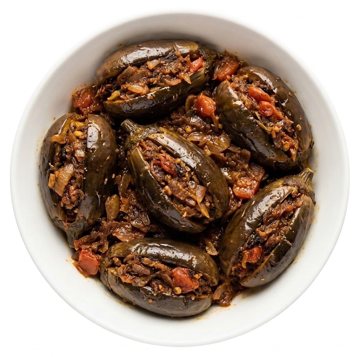
Tender whole aubergines stuffed with a rich, nutty paste of roasted coconut, peanuts, and warm spices, gently simmered in a tangy tamarind sauce.

Seeds for the paste

2.1 gToasted in the dry pan (step 2)
01
2.1 g1 teaspoon
spice
Keep whole; they will be toasted with the peanuts.

Coriander seeds

1.7 gToasted and ground (step 2)
01
1.7 g1 teaspoon
spice
Toast in a dry pan, then grind to a fine powder.

Stuffing spices

34 gStirred into the blended paste (step 3)
Combine and mix directly into the stuffing paste.

Everything else

01
1000 g
vegetable
02
12 g2 tablespoons
fruit
03
3 g1 teaspoon
nut/seed
04
18 g2 tablespoons
nut/seed
05
21 g1 tablespoon
sweetener
06
1 g1 tablespoon
herb
07
2 g1 teaspoon
flour
08
114 g125 ml
oil/fat
09
50 g
vegetable
11
to taste
salt

Method

  1. Slit 1000 g aubergines lengthwise into quarters from the base, keeping the stems attached so the segments hold together. Arrange them in a wide, shallow dish.
  2. Warm a small, dry frying pan over medium heat. Toast 12 g fresh coconut for roughly 1 minute until lightly browned, then tip onto a plate. In the same pan, toast the seeds for the paste alongside 2 tablespoon shelled peanuts for about 1 minute until fragrant, then transfer them to the plate with the coconut. Add the coriander seeds to the dry pan, roast for 1 minute, then grind them finely using a mortar and pestle or spice grinder.
  3. Put the toasted coconut, the seeds for the paste, peanuts, 1 tablespoon molasses, and 1 g coriander leaf into a blender with a splash of water, and process into a smooth paste. Transfer the mixture to a bowl, season with salt to taste, then stir in the ground coriander seeds, the stuffing spices, and 1 teaspoon parched gram until evenly blended.
  4. Stuff the spice mixture generously into the cut cavities of each aubergine, rubbing any excess paste over the outer skins.
  5. Pour 125 g oil into a deep pan and bring to 180°C (350°F)—a bread cube should turn brown in 30 seconds. Take the pan off the heat briefly to cool slightly, then return it to medium heat. Fry the stuffed aubergines in small batches for 2 minutes until lightly browned, transferring each batch to a plate using a slotted spoon.
  6. Toss 50 g onion into the residual hot oil and fry for around 5 minutes until pale golden. Return the browned aubergines to the pan, pour over 15.6 g tamarind extract, and cover with a lid. Reduce the heat to low and simmer for about 10 minutes, turning the aubergines gently so they remain intact, until the liquid reduces and leaves a thick sauce coating the vegetables.

Don't have something?

Aubergine
  • Baby aubergine

    Use the same weight; halve or quarter and cook 2–3 minutes longer. They hold their shape better in the sauce.

  • Small aubergine

    Use the same weight; slice or cube to the recipe's size. Similar flesh, slightly firmer.

  • Round aubergine

    Use the same weight; cube and salt for 10 minutes if the recipe does. It absorbs oil a little more.

Fresh coconut
  • Desiccated coconut

    Use 50% to 60% of the weight, soaked in equal parts warm water for 15 minutes before grinding. Works well for chutneys, though texture is slightly finer and sweeter.

  • Coconut milk

    Use 1.2 times the weight in curries. Adds creamy richness and authentic flavour, but makes gravies smoother and eliminates the grated, chewy mouthfeel.

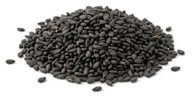
Sesame seed
  • White sesame seed

    Use the same weight. Toast lightly before use; white seeds are milder and give a cleaner look.

  • Black sesame seed

    Use the same weight. They are stronger and more bitter; toast briefly and use slightly less if the dish is delicate.

  • Peanut

    Use the same weight, crushed or chopped. It gives crunch but not the same nutty sesame aroma.

Cumin seed
  • Ground cumin

    Use 70% of the weight; add with ground spices or sauce bases rather than hot oil tempering, where it scorches quickly and turns bitter.

  • Black cumin seeds

    Use equal weight for oil tempering. Delivers an earthy profile with an additional musky, smoky, and slightly bitter edge.

  • Fennel seed

    Use 60% of the weight for tempering; offers comparable warm aroma, but leans sweet and liquorice-like rather than savoury and earthy.

Peanut
  • Roasted peanut

    Use the same weight; adjust salt if they are already salted, and crush or grind as the recipe asks.

  • Cashew nut

    Use the same weight; they are richer and softer, so roast for a shorter time and reduce added fat.

  • Almond

    Use the same weight; blanch and peel for sauces, or chop for texture. They are firmer and less oily.

Coriander seeds
  • Ground coriander

    Use 75% of the weight; stir in along with wet masala or tomato purée rather than frying in hot oil, as the fine powder burns instantly.

  • Cumin seed

    Use 50% of the weight for tempering in hot oil. Lacks the floral, sweet citrus flavour of coriander, introducing warm, pungent earthiness instead.

  • Fennel seed

    Use 50% of the weight in tempering; provides pleasant aromatic sweetness, though noticeably aniseedy rather than citrusy.

Molasses
  • Cane molasses

    Essentially the same; use the same weight. If it is very dark and bitter, use up to 10% less and taste.

  • Jaggery

    Use the same weight, grated and melted with the liquid. The flavour is rounder and less bitter, so the dish will taste sweeter and milder.

  • Brown sugar

    Use the same weight; add 1 tbsp water per 50 g and expect a lighter colour and less bitter edge.

Coriander leaf
  • Coriander

    Use equal weight finely chopped; this is the exact same fresh herb.

  • Mint

    Use half the weight finely chopped; provides vibrant green freshness, though the flavour profile becomes noticeably cooler and sharper.

Chilli powder
  • Red chilli powder

    Use 100% of the weight. Provides direct, sharp heat and red colour in equal measure.

  • Kashmiri chilli powder

    Use 150% to 200% of the weight if matching colour, but add a pinch of black pepper or hot chilli if you need equivalent fiery heat.

  • Cayenne pepper

    Use 75% to 100% of the weight. Offers a sharp, clean heat with slightly less earthy depth and less crimson colour.

Ground turmeric
  • Ground ginger

    Use 50% of the weight. Mimics turmeric's warm, earthy, rhizome background, but provides none of the golden-yellow colour.

  • Saffron

    Steep a tiny pinch (0.1 g per 2 g turmeric) in 2 tbsp warm water; use to match the rich golden hue. Contributes an aristocratic, honeyed floral flavour rather than earthy bitterness.

Ginger paste
  • Fresh ginger

    Use equal weight; peel and grate very finely on a microplane or pound to a fine paste in a mortar.

  • Ginger

    Use equal weight; mince finely and crush with the flat of a knife before frying.

  • Ground ginger

    Use 20% of the weight; add directly with the dry spice powders, though it yields an earthier, less pungent profile.

Garlic paste
  • Garlic

    Use equal weight; crush or finely grate to a smooth pulp to replicate the same fresh, pungent moisture in your base gravy.

  • Garlic powder

    Use 20 to 25% of the weight; mix with a teaspoon of water before adding to oil so it does not burn, noting it lacks the fresh bite.

Gram flour
  • Chickpea flour

    Use the same weight. Gram flour is chickpea flour, so this is an exact swap with the same nutty flavour and binding.

  • Plain flour

    Use about 75–80% of the weight, e.g. 80 g for 100 g gram flour, and add a pinch of turmeric for colour. Less nutty and less crisp; good only for thickening or simple batters.

  • Rice flour

    Use the same weight for crispness, but it does not bind like gram flour; mix with a little plain flour if making pakora batter.

Garam masala
  • Ground cumin

    Use 50% of the weight mixed with equal parts ground coriander and a pinch of ground cinnamon, ground cloves, and ground green cardamom. Sprinkle near the end for a warming finish.

  • Lentil stew spice mix

    Use 75% of the weight. Simmer briefly in the gravy; imparts roasted warmth and complexity, though it adds a slight tang and earthy lentil undertone.

Sesame oil
  • Mustard oil

    Use the same weight. Heat until smoking, then cool for 2 minutes before cooking; it is pungent and changes the flavour strongly.

  • Groundnut oil

    Use the same weight. It is neutral, so add 1 tsp toasted sesame seeds for aroma.

  • Vegetable oil

    Use the same weight. It is neutral and lacks sesame flavour; finish with a few drops of toasted sesame oil if you have it.

Onion
  • Shallot

    Use equal weight, finely sliced. Shallots soften and brown faster, giving a slightly sweeter and more delicate base to curries.

  • Cabbage

    Use 80% of the weight, finely shredded and browned slowly with a pinch of asafoetida. Replicates the bulk and natural sweetness in gravies without allium.


Tamarind extract
  • Tamarind

    Use 180% of the weight of compressed tamarind; soak in three times its weight of boiling water for 15 minutes, knead, and strain out the thick pulp.

  • Dried mango powder

    Use 35% of the weight dissolved in two tablespoons of warm water. Provides sharp tang, though the resulting sauce will be lighter in colour.

  • Lemon juice

    Use equal weight, added right at the end of cooking. Adds sharp acidity without the deep brown hue or pulpy thickness.

Similar dishes

Bhareli Vangi
Stuffed Spicy Aubergines (Eggplant) from Maharashtra
Bhareli Vangi tastes sweeter, richer, and more heavily spiced with garam masala, lacking the sharp tamarind tang and higher chilli heat of this dish.
  • Same: Bhareli Vangi also consists of whole aubergines stuffed with a paste of coconut, sesame seeds, cumin, coriander, turmeric, garlic, and ginger.
  • Different: It uses much larger quantities of coconut, sesame, and garam masala and adds jaggery and asafoetida, but omits the onion and tamarind extract used in this dish.
Khatte Meethe Baigan
Sweet & Sour Minty Aubergine (Eggplant)
Khatte Meethe Baigan tastes sweeter and distinctly herbal from the mint and jaggery, with milder chilli heat and none of the nutty richness of this dish.
  • Same: Khatte Meethe Baigan also features whole stuffed aubergines braised in an onion and tamarind sauce spiced with cumin, turmeric, ginger, garlic, and garam masala.
  • Different: It stuffs the aubergines with mint chutney instead of a coconut and sesame paste, adds jaggery, and uses vegetable oil with a higher proportion of onions.
Bharwan Baigan
Aubergines (Eggplant) with Spicy Filling
Bharwan Baigan has a pungent, savory heat from mustard oil and cloves with mild tomato acidity, lacking the nutty richness and sweet-and-sour tamarind profile of this dish.
  • Same: Bharwan Baigan also features whole aubergines stuffed with a spiced mixture seasoned with onion, ginger, garlic, chilli powder, turmeric, and garam masala.
  • Different: Bharwan Baigan relies on a tomato-and-onion filling cooked in mustard oil with ground cloves, omitting the fresh coconut, sesame seeds, cumin seeds, and tamarind extract used in this dish.
Baigan ka Bharta
Roasted Mashed Aubergine (Eggplant)
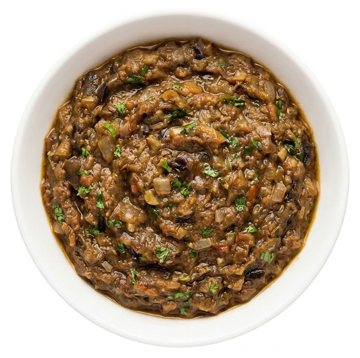
Baigan ka Bharta tastes smoky and savoury from charred aubergine and tomatoes with gentle green-chilli heat, while this dish is nutty and sweet-sour from tamarind and molasses.
  • Same: Baigan ka Bharta shares aubergine as the main ingredient and uses cumin, turmeric, chilli powder, onion, ginger and garlic like this dish.
  • Different: Baigan ka Bharta roasts and mashes the aubergine and braises it with tomatoes, green chilli and clove in ghee and groundnut oil, while this dish keeps aubergines whole, stuffs them with coconut, peanut and sesame paste, and simmers them in tamarind and molasses.