Indian cooking
Indian cooking / Dishes / Khatte Meethe Baigan
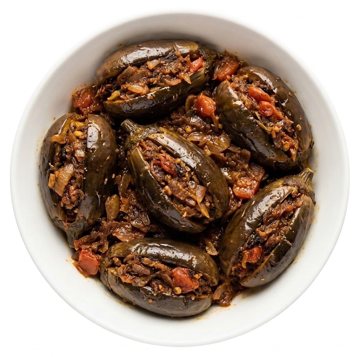
Khatte Meethe Baigan (Sweet & Sour Minty Aubergine (Eggplant))

Khatte Meethe Baigan

Sweet & Sour Minty Aubergine (Eggplant)
Vegetarian●●●Origin AwadhPrep 20 minutesCook 30–35 minutes

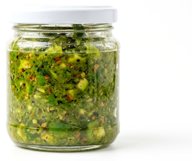
Whole aubergine is stuffed with vibrant mint chutney and gently braised in a rich, tangy tamarind, onion, and jaggery gravy. The result is a tender, savoury dish balanced with bright herbal sweetness and gentle heat.

Whole spices

3.2 gAdded to the hot oil (step 2)
01
3.2 g1½ teaspoons
spice
Keep whole: they go into the hot oil together.

Ginger-garlic paste

47 gStir-fried with the browned onions (step 3)
Combine in a small bowl.

Ground spices

17 gStirred into the simmering sauce with the tamarind (step 5)
01
1.5 g½ teaspoon
spice
02
5 g1 tablespoon
spice
03
5 g2 teaspoons
spice
04
2.6 g1 teaspoon
spice
05
2.6 g1 teaspoon
spice blend
Stir together until evenly blended.

Everything else

01
200 g1 aubergine
vegetable
03
68 g5 tablespoons
oil/fat
04
Onion · Pyazthinly sliced
150 g1 onion
vegetable
06
Jaggery · Gurcrumbled, or soft brown sugar
22 g2 tablespoons
sweetener
07
to taste
salt
08
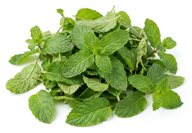
Mint · Pudinato garnish
to taste
herb

Method

  1. Cut 1 trimmed aubergine lengthways into quarters, leaving the stem intact so the sections stay attached. Pack 1 quantity mint chutney into the slits and rub a little over the skin. Scatter 2 teaspoon dried mint across a plate and roll the aubergine in it to evenly coat the exterior.
  2. Warm 67.5 g vegetable oil in a large, heavy-bottomed pan set over medium heat. Tip in the whole spices and sizzle for roughly 1 minute until they crackle.
  3. Toss in 150 g onion and sauté for 5 to 7 minutes until richly golden. Stir in the ginger-garlic paste and cook for 2 minutes.
  4. Carefully lower the prepared aubergine into the pan and fry gently for 2 minutes, basting with the aromatic oil.
  5. Pour in 250 ml hot water along with 15.6 g tamarind extract, the ground spices, and salt to taste. Turn the heat down slightly, cover with a tight lid, and simmer steadily for 10 minutes.
  6. Gently turn the aubergine over. Scatter 2 tablespoon jaggery or soft brown sugar into the sauce, adding 125 ml hot water if the liquid is reducing too quickly, and stir the liquid lightly. Replace the lid and continue simmering for another 10 minutes until the aubergine is thoroughly tender.
  7. Take the pan off the heat, taste and adjust the salt as desired, and scatter with fresh mint to serve.

Don't have something?

Aubergine
  • Baby aubergine

    Use the same weight; halve or quarter and cook 2–3 minutes longer. They hold their shape better in the sauce.

  • Small aubergine

    Use the same weight; slice or cube to the recipe's size. Similar flesh, slightly firmer.

  • Round aubergine

    Use the same weight; cube and salt for 10 minutes if the recipe does. It absorbs oil a little more.

Mint chutney
  • Green chutney

    Use the same weight; it is the closest everyday substitute. Add a few fresh mint leaves if you have them.

  • Raw green mango chutney

    Use the same weight but expect a sharper, sourer taste; reduce lemon juice in the dish.

  • Mint leaves

    Blend about 30 g mint leaves with 2 green chillies, a squeeze of lemon and salt to make roughly 100 g chutney; use weight for weight.

Ground dried mint
  • Dried mint

    Use the same weight and crush finely; it is virtually the same.

  • Mint leaves

    Use about 3 times the weight, chop very fine; it is fresher and wetter, so reduce other liquid slightly.

Vegetable oil
  • Peanut oil

    Use 1:1 by weight. Handles high-heat frying identically and introduces a very subtle, pleasant nuttiness.

  • Ghee

    Use 1:1 by weight. Yields a much richer, authentic aroma and a glossy, heavier mouthfeel.

  • Mustard oil

    Use 1:1 by weight. Heat until smoking, then cool slightly before cooking to temper its intensely pungent, sharp mustard kick.

Cumin seed
  • Ground cumin

    Use 70% of the weight; add with ground spices or sauce bases rather than hot oil tempering, where it scorches quickly and turns bitter.

  • Black cumin seeds

    Use equal weight for oil tempering. Delivers an earthy profile with an additional musky, smoky, and slightly bitter edge.

  • Fennel seed

    Use 60% of the weight for tempering; offers comparable warm aroma, but leans sweet and liquorice-like rather than savoury and earthy.

Onion
  • Shallot

    Use equal weight, finely sliced. Shallots soften and brown faster, giving a slightly sweeter and more delicate base to curries.

  • Cabbage

    Use 80% of the weight, finely shredded and browned slowly with a pinch of asafoetida. Replicates the bulk and natural sweetness in gravies without allium.

Ginger paste
  • Fresh ginger

    Use equal weight; peel and grate very finely on a microplane or pound to a fine paste in a mortar.

  • Ginger

    Use equal weight; mince finely and crush with the flat of a knife before frying.

  • Ground ginger

    Use 20% of the weight; add directly with the dry spice powders, though it yields an earthier, less pungent profile.

Garlic paste
  • Garlic

    Use equal weight; crush or finely grate to a smooth pulp to replicate the same fresh, pungent moisture in your base gravy.

  • Garlic powder

    Use 20 to 25% of the weight; mix with a teaspoon of water before adding to oil so it does not burn, noting it lacks the fresh bite.

Ground turmeric
  • Ground ginger

    Use 50% of the weight. Mimics turmeric's warm, earthy, rhizome background, but provides none of the golden-yellow colour.

  • Saffron

    Steep a tiny pinch (0.1 g per 2 g turmeric) in 2 tbsp warm water; use to match the rich golden hue. Contributes an aristocratic, honeyed floral flavour rather than earthy bitterness.

Ground coriander
  • Coriander seeds

    Dry-roast lightly in a pan and grind to a fine powder; use equal weight (1:1). Offers a noticeably fresher, brighter citrus note.

  • Ground cumin

    Use 50% to 75% of the weight. Lacks the floral, citrusy profile of coriander and turns the gravy heavier, earthier, and darker.

  • Garam masala

    Use 50% of the weight and stir in near the end of cooking. Adds warmth and depth since it contains ground coriander, but introduces stronger spices like clove and cinnamon.

Ground cumin
  • Cumin seed

    Dry-roast briefly and grind finely; use equal weight (1:1). Imparts an even punchier, nuttier, toasty aroma than pre-ground cumin.

  • Ground coriander

    Use equal weight (1:1). Adds mild, lemony sweetness rather than cumin's smoky, earthy bite; curries will taste lighter and less savoury.

  • Black cumin seeds

    Grind finely; use 60% to 75% of the weight. Produces a darker, more complex, smoky-herbal flavour suited to rich gravies.

Tamarind extract
  • Tamarind

    Use 180% of the weight of compressed tamarind; soak in three times its weight of boiling water for 15 minutes, knead, and strain out the thick pulp.

  • Dried mango powder

    Use 35% of the weight dissolved in two tablespoons of warm water. Provides sharp tang, though the resulting sauce will be lighter in colour.

  • Lemon juice

    Use equal weight, added right at the end of cooking. Adds sharp acidity without the deep brown hue or pulpy thickness.

Chilli powder
  • Red chilli powder

    Use 100% of the weight. Provides direct, sharp heat and red colour in equal measure.

  • Kashmiri chilli powder

    Use 150% to 200% of the weight if matching colour, but add a pinch of black pepper or hot chilli if you need equivalent fiery heat.

  • Cayenne pepper

    Use 75% to 100% of the weight. Offers a sharp, clean heat with slightly less earthy depth and less crimson colour.

Garam masala
  • Ground cumin

    Use 50% of the weight mixed with equal parts ground coriander and a pinch of ground cinnamon, ground cloves, and ground green cardamom. Sprinkle near the end for a warming finish.

  • Lentil stew spice mix

    Use 75% of the weight. Simmer briefly in the gravy; imparts roasted warmth and complexity, though it adds a slight tang and earthy lentil undertone.

Jaggery
  • Granulated sugar

    Use 80% of the weight. Granulated sugar is sweeter by weight, but gives a cleaner, one-dimensional sweetness that lacks jaggery's caramel, molasses depth.

  • Raisin

    Soak and blend into a paste; use 100% to 120% of the weight. Adds rich, natural, fruity sweetness with complex, dark molasses notes that thicken the gravy.

Mint
  • Dried mint

    Use about 30% of the weight of fresh mint. Rub between your palms to crush before stirring in; the flavour will be more intensely herbal and less bright.


  • Coriander leaf

    Use equal weight, finely chopped. Adds fresh citrusy green notes, but lacks the cooling menthol lift.

Similar dishes

Bharwan Baigan
Aubergines (Eggplant) with Spicy Filling
Bharwan Baigan tastes savoury and sharp from mustard oil and tomatoes, lacking the sweet, sour, and minty herbal profile of this dish.
  • Same: Bharwan Baigan also features whole aubergines stuffed and gently cooked with onions, ginger, garlic, turmeric, coriander, chilli powder, and garam masala.
  • Different: Bharwan Baigan uses pungent mustard oil, tomatoes, and ground cloves for its stuffing, but omits the mint chutney, cumin, and tamarind braising liquid found in this dish.
Baghare Baigan
Spicy Sweet & Sour Aubergines (Eggplant)
Baghare Baigan tastes much nuttier and hotter, lacking the sweet herbal freshness of the mint in this dish.
  • Same: Baghare Baigan also braises whole stuffed aubergines in an onion and tamarind gravy spiced with ginger, garlic, turmeric, cumin, and garam masala.
  • Different: Instead of mint chutney, it stuffs the aubergines with coconut and sesame seeds, uses far less onion and garlic, and triples the chilli powder without added jaggery.
Bhareli Vangi
Stuffed Spicy Aubergines (Eggplant) from Maharashtra
Bhareli Vangi tastes nuttier and more heavily spiced with garam masala, lacking the sharp tamarind sourness and cooling herbal mint notes of this dish.
  • Same: Like this dish, Bhareli Vangi features whole aubergines stuffed with a spiced paste and cooked in vegetable oil with turmeric, cumin, chilli powder, ginger, and garlic.
  • Different: Bhareli Vangi fills the aubergines with fresh coconut, sesame seeds, and asafoetida, but omits the mint chutney stuffing, onions, and sour tamarind extract of this dish.
Dahi ke Baigan
Aubergine (Eggplant) in Mild Yoghurt Sauce
Dahi ke Baigan is mild, creamy, and gently tart from yoghurt, lacking the herbal sweetness and sharp tamarind punch of this dish.
  • Same: Both dishes feature aubergine cooked with vegetable oil, ginger, garlic, ground cumin, turmeric, and chilli powder.
  • Different: Instead of braising whole mint-stuffed aubergines in an onion and tamarind gravy, Dahi ke Baigan pan-fries sliced aubergine and coats it in a yoghurt sauce tempered with mustard seeds, curry leaves, and asafoetida.