Indian cooking
Indian cooking / Dishes / Baigan ka Bharta
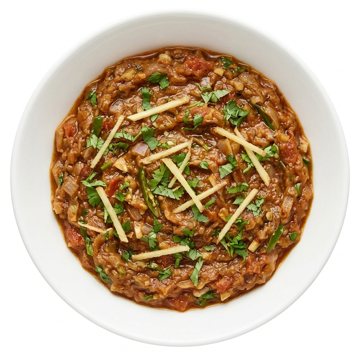
Baigan ka Bharta (Roasted Mashed Aubergine (Eggplant))

Baigan ka Bharta

Roasted Mashed Aubergine (Eggplant)
Vegetarian●●●Origin Pan-IndiaPrep 30 minutes, plus cooling timeCook 20 minutes

A classic North Indian dish of smoky charred aubergine mashed and braised with aromatics, tomatoes, and ground spices. It delivers a rich, deeply savoury flavour with gentle heat and an earthy aroma.

Roasting spices

2.1 gPrepping the aubergines (step 1)
01
0.6 g8 cloves
spice
02
1.5 g½ teaspoon
spice
Keep the cloves whole for studding into the aubergines, and keep the ground turmeric loose for basting.

Tempering spices

2.1 gFrying in the hot ghee (step 2)
01
2.1 g1 teaspoon
spice
Keep whole: they go into the hot fat together.

Ground spices for the bharta

2.9 gStirring into the pan with the mashed aubergine (step 3)
01
2.6 g1 teaspoon
spice
02
~0.3 gpinch
spice
Stir together until evenly blended.

Everything else

01
800 g4 aubergines
vegetable
02
24 g8 cloves
aromatic
03
2.2 g½ teaspoon
oil/fat
04
106 g½ cup
oil/fat
05
150 g1 onion
vegetable
06
Ginger · Adrakpeeled and chopped
12 g1 piece
aromatic
07
Green chilli · Hari Mirchde-seeded and chopped
24 g4 chillies
vegetable
08
240 g2 tomatoes
vegetable
09
2.5 g2½ tablespoons
herb
10
to taste
salt

Method

  1. Preheat a charcoal grill or set an oven grill (broiler) to medium-low. Cut 4 small slits into each of the 4 aubergines, then stuff the slits evenly with 24 g garlic and the whole cloves from the roasting spices. Mix 0.5 teaspoon oil with the turmeric from the roasting spices, brush the aubergines all over, and cook for 12 to 15 minutes, turning regularly until the skins are thoroughly blackened. Allow them to cool, strip away the skins, and mash the flesh in a bowl with a fork or spoon.
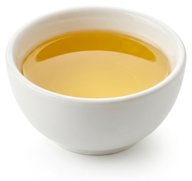
  2. Warm 106 g ghee in a deep frying pan or kadhai over medium heat. Add the tempering spices and fry for 1 minute until fragrant and popping. Tip in 150 g onion and sauté for about 2 minutes until translucent, then add 12 g ginger and 24 g green chilli and stir for roughly 30 seconds.
  3. Add the mashed aubergine and the ground spices for the bharta to the pan. Cook over medium heat, stirring continuously, for 3 to 4 minutes until the fat starts to release from the edges.
  4. Tumble in 240 g tomato and season with salt to taste. Sauté for around 5 minutes until the tomatoes soften completely and the fat separates again. Take the pan off the heat, taste and adjust the seasoning if necessary, and finish with 2.5 g coriander leaf.

Don't have something?

Aubergine
  • Baby aubergine

    Use the same weight; halve or quarter and cook 2–3 minutes longer. They hold their shape better in the sauce.

  • Small aubergine

    Use the same weight; slice or cube to the recipe's size. Similar flesh, slightly firmer.

  • Round aubergine

    Use the same weight; cube and salt for 10 minutes if the recipe does. It absorbs oil a little more.

Garlic
  • Garlic paste

    Use equal weight. Fry gently in oil or ghee with the ginger; incorporates smoothly into curries without visible minced bits.

  • Garlic powder

    Use 15% to 20% of the weight (about 1 g for every 5 to 6 g fresh cloves). Whisk into sauces; gives a savoury, toasted garlic flavour without raw pungency.

  • Shallot

    Use 1.5 times the weight, very finely minced. Sauté until golden; provides savoury allium sweetness, though it lacks garlic's pungent sulphur bite.

Clove
  • Ground cloves

    Use 1 g ground for 4 g whole (or 1 small pinch per 2 to 3 whole cloves). Add with spice powders; disperses intense warmth quickly, so use with restraint.

  • Allspice berries

    Use 100% of the weight whole in tempering. Imparts a warm, clove-like aromatic profile combined with hints of nutmeg and cinnamon.

  • Black cardamom pod

    Use 1 pod for 3 to 4 cloves in whole tempering. Shares a camphor-like warmth and medicinal depth, though it introduces a distinct smoky undertone.

Groundnut oil
  • Peanut oil

    Use the same weight; this is effectively the same oil.

  • Vegetable oil

    Use the same weight. Neutral and less nutty; good for high heat.

  • Corn or vegetable oil

    Use the same weight. Neutral; the dish loses the faint peanut aroma.

Ground turmeric
  • Ground ginger

    Use 50% of the weight. Mimics turmeric's warm, earthy, rhizome background, but provides none of the golden-yellow colour.

  • Saffron

    Steep a tiny pinch (0.1 g per 2 g turmeric) in 2 tbsp warm water; use to match the rich golden hue. Contributes an aristocratic, honeyed floral flavour rather than earthy bitterness.

Ghee
  • Unsalted butter

    Use 120% of the weight; melt gently over low heat to avoid burning the milk solids, which will yield a softer, creamier richness rather than a nutty aroma.

  • Vegetable oil

    Use 85% of the weight; holds high cooking temperatures without smoking, but the final dish will lack traditional dairy depth.

  • Mustard oil

    Use equal weight; heat to smoking point and cool slightly before cooking, bearing in mind it introduces an assertive, pungent edge.

Cumin seed
  • Ground cumin

    Use 70% of the weight; add with ground spices or sauce bases rather than hot oil tempering, where it scorches quickly and turns bitter.

  • Black cumin seeds

    Use equal weight for oil tempering. Delivers an earthy profile with an additional musky, smoky, and slightly bitter edge.

  • Fennel seed

    Use 60% of the weight for tempering; offers comparable warm aroma, but leans sweet and liquorice-like rather than savoury and earthy.

Onion
  • Shallot

    Use equal weight, finely sliced. Shallots soften and brown faster, giving a slightly sweeter and more delicate base to curries.

  • Cabbage

    Use 80% of the weight, finely shredded and browned slowly with a pinch of asafoetida. Replicates the bulk and natural sweetness in gravies without allium.

Ginger
  • Fresh ginger

    Use equal weight; scrape off the skin and grate or finely julienne according to the recipe.

  • Ginger paste

    Use equal weight; stir straight into the sizzling aromatics, taking care as the extra moisture may spit.

  • Ground ginger

    Use 15 to 20% of the weight; add alongside ground spices, noting it imparts warm, dry heat rather than zesty freshness.

Green chilli
  • Chilli powder

    Use 10 to 15% of the weight (about 1/4 teaspoon per chilli); imparts dry pungent heat and reddens the dish without the grassy crunch.

  • Dried red chilli

    Use 1 dried pod per fresh green chilli; snap in half and temper in hot oil for a deeper, toastier heat.

Chilli powder
  • Red chilli powder

    Use 100% of the weight. Provides direct, sharp heat and red colour in equal measure.

  • Kashmiri chilli powder

    Use 150% to 200% of the weight if matching colour, but add a pinch of black pepper or hot chilli if you need equivalent fiery heat.

  • Cayenne pepper

    Use 75% to 100% of the weight. Offers a sharp, clean heat with slightly less earthy depth and less crimson colour.

Tomato
  • Tomato purée

    Use 40% to 50% of the fresh tomato weight mixed with a splash of water. Imparts a deeper red colour, thicker sauce, and slightly sweeter cooked flavour.

  • Plain yogurt

    Use 60% of the weight, whisked smooth and added on low heat. Provides rich body and sourness, though the gravy becomes paler and creamier.

Coriander leaf
  • Coriander

    Use equal weight finely chopped; this is the exact same fresh herb.

  • Mint

    Use half the weight finely chopped; provides vibrant green freshness, though the flavour profile becomes noticeably cooler and sharper.

Similar dishes

Baingan Ka Bharta
Smoky Aubergine with Spices, Tomato and Ginger
Baingan Ka Bharta tastes tangier from lemon juice and mildly spicy, while this dish is richer from ghee and more earthy from cumin and clove.
  • Same: Baingan Ka Bharta shares with this dish a base of charred mashed aubergine cooked with onion, tomato, garlic, ginger, green chilli, turmeric, chilli powder, coriander and salt.
  • Different: Baingan Ka Bharta uses vegetable oil instead of ghee and groundnut oil, adds lemon juice and tomato purée, uses bird’s eye chilli, and lacks cumin seed and clove.
Baghare Baigan
Spicy Sweet & Sour Aubergines (Eggplant)
Baghare Baigan tastes tangier, nuttier, and significantly spicier, lacking the rich, buttery smokiness of this dish.
  • Same: Both dishes use aubergine seasoned with an aromatic base of onion, ginger, garlic, cumin seeds, turmeric, and chilli powder.
  • Different: Instead of roasting and mashing the aubergines with ghee, tomatoes, and cloves, Baghare Baigan simmers whole aubergines with coconut, sesame seeds, garam masala, coriander seeds, and sour tamarind extract.
Bharwan Baigan
Aubergines (Eggplant) with Spicy Filling
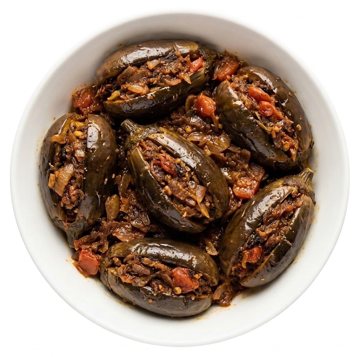
Bharwan Baigan tastes pungent from mustard oil and warm from garam masala, lacking the smoky char and fresh green chilli heat of this dish.
  • Same: Bharwan Baigan shares a base of aubergines cooked with onions, tomatoes, ginger, garlic, cloves, turmeric, and chilli powder.
  • Different: Bharwan Baigan stuffs whole aubergines and cooks them in mustard oil with ground coriander and garam masala, rather than mashing charred aubergines in ghee with cumin seeds, fresh green chillies, and coriander leaves.
Goan Brinjal Pickle
Spicy and Sweet Aubergine Pickle with Garlic, Chilli and Jaggery
It tastes hot, sour and caramel-sweet, while this dish is smoky, savoury and gently hot.
  • Same: Goan Brinjal Pickle shares aubergine, garlic, chilli, cumin and turmeric with this dish.
  • Different: It uses vegetable oil, jaggery, malt vinegar, black mustard seed and curry leaf, and lacks this dish's tomato, onion, ginger and ghee; it is a matured pickle rather than roasted mashed aubergine.