
Wild Boar Laal Maas
A fiery wild boar curry in a thick yoghurt gravy, finished with a charcoal smoke. It tastes hot, tangy and deeply savoury, with a strong whole-spice aroma.
Whole spices for the ghee
11 gAdded to the hot ghee before the onions (step 1)Masala for the boar
92 gStirred in with the yoghurt after the boar browns (step 4)Everything else

Method
- Heat 300 g of the 400 g ghee in a pan over medium heat; set aside the rest. Add the whole spices for the ghee.
- Add 450 g onion and fry for roughly 10 minutes, until golden.
- Add 500 g wild boar shoulder pieces, cut into 2.5 cm (1 in) pieces. Cook for a few minutes over medium heat, turning the pieces now and then, until browned.
- Stir in the masala for the boar and 400 g greek yoghurt; stir well.
- Cover and cook over low to medium heat for at least 1 hour, until the boar is tender. If the mixture looks dry, splash in a little water.
- Season with sea salt to taste.
- Take the pan off the heat and scatter over 100 g coriander, finely chopped.
- Heat 5 g charcoal until grey, then put it in the centre of the pan.
- Pour the remaining 100 g ghee over the charcoal; it will smoke at once. Serve immediately.
Don't have something?


 Unsalted butter
Use 120% of the weight; melt gently over low heat to avoid burning the milk solids, which will yield a softer, creamier richness rather than a nutty aroma.
 Vegetable oil
Use 85% of the weight; holds high cooking temperatures without smoking, but the final dish will lack traditional dairy depth.
 Mustard oil
Use equal weight; heat to smoking point and cool slightly before cooking, bearing in mind it introduces an assertive, pungent edge.


 Green cardamom seed
Use 35 to 40% of the total pod weight; lightly bruise the seeds before frying in oil to release their essential oils.
 Ground green cardamom
Use 20 to 25% of the pod weight (about 1 generous pinch per pod); stir in toward the end of cooking so the delicate floral notes do not dissipate.
 White cardamom pod
Use 1:1 by pod count or weight; crack gently before using, though it is slightly less intensely floral.


 Ground black cardamom
Use 0.5 g of ground seeds for each whole pod. Stir directly into the curry base; delivers identical smoky flavour without woody husks.
- Green cardamom pod
Use equal pod count or weight. Crack slightly and fry whole; tastes sweet, menthol-fresh, and floral rather than dark and smoky.


 Ground mace
Use 0.5 g ground mace for 1 g mace blade; add towards the end of frying spices as ground powder burns much quicker than whole blades.
 Nutmeg
Grate finely, using 50% of the weight; sweeter, deeper, and slightly heavier in aroma than delicate mace.
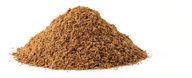 Ground nutmeg
Use 40% of the weight; stir in gently with ground spices, avoiding high direct heat to prevent bitterness.


 Bay leaf
Use the same number or weight. Ordinary bay is milder and lacks the cinnamon-clove note; add early and remove before serving.
 Cassia bark (Chinese cinnamon)
Use about 1 g cassia for every 2 g Indian bay leaf. It gives a warm cinnamon note but not a true laurel flavour; remove before serving.
- Cinnamon stick
Use a small 1 cm piece for 2 leaves. It adds warm sweetness but not bay flavour; remove before serving.


 Ground cloves
Use 1 g ground for 4 g whole (or 1 small pinch per 2 to 3 whole cloves). Add with spice powders; disperses intense warmth quickly, so use with restraint.
 Allspice berries
Use 100% of the weight whole in tempering. Imparts a warm, clove-like aromatic profile combined with hints of nutmeg and cinnamon.
- Black cardamom pod
Use 1 pod for 3 to 4 cloves in whole tempering. Shares a camphor-like warmth and medicinal depth, though it introduces a distinct smoky undertone.


 Ceylon cinnamon
True cinnamon: thinner, papery quills, milder and sweeter. Use about 1.5 times the weight, and taste.
 Ground cinnamon (cassia)
Use about a third of the weight (0.5 g ground for a 2.5 cm piece), stirred in with the ground spices rather than fried whole, since the powder burns quickly.
 Cassia buds
Use 60-70% of the weight; stronger and more peppery, so taste before adding more.






 Pork shoulder
Use the same weight; it is fattier, so trim less and cook for a similar time until tender.
- Pork with fat
Use the same weight; wild boar is leaner, so keep the fat and add a little oil if the pan looks dry.
 Lamb shoulder
Use the same weight; it has a stronger flavour and needs 20–30 minutes longer slow cooking.


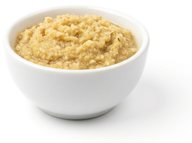
- Ginger and garlic paste
Use the same weight; the difference is only the order of the names.
 Garlic paste
Mix with an equal weight of ginger paste and use the same total weight.
 Garlic
For 20 g paste use about 10 g crushed garlic and 10 g grated ginger root with a splash of water. Add a little extra water if the dish looks dry.

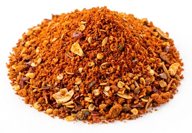
 Red chilli paste
Use the same weight and stir in 1 crushed garlic clove per 2 tbsp. It is looser and fresher than chutney.
 Chilli paste
Use the same weight plus 1/4 tsp garlic paste per tbsp. Add salt and a little vinegar to mimic chutney.
 Garlic pickle
Use half the weight, chopped. It is saltier and oilier, so reduce added salt and oil.


 Dried kashmiri chilli
Grind deseeded dried pods to an equal weight of powder; gives identical vivid red colour and gentle warmth.
 Red chilli powder
Use 25% of the weight mixed with sweet paprika for colour; straight red chilli powder is substantially hotter and will make the dish fiery.
 Chilli powder
Use one-third of the weight; the sauce will be less intensely red and notably sharper in heat.


 Ground dried mango powder
Use the same weight; same sour mango flavour. Add early so it can soften into the dish.
 Dried mango powder
Grind to a powder and use the same weight. Slightly coarser unless finely ground.
 Lemon juice
Use 5–6 times the weight, e.g. 1 tsp powder to about 5 tsp juice; add off the heat. Wetter and fresher-tasting.


 Hung natural yoghurt
Use the same weight and whisk smooth; same thick consistency.
 Full-fat natural yoghurt
Use 1.25 times the weight and strain through muslin for 30 minutes; looser if not strained.
 Hung yogurt
Use the same weight; virtually identical.


 Cumin seed
Dry-roast briefly and grind finely; use equal weight (1:1). Imparts an even punchier, nuttier, toasty aroma than pre-ground cumin.
 Ground coriander
Use equal weight (1:1). Adds mild, lemony sweetness rather than cumin's smoky, earthy bite; curries will taste lighter and less savoury.
 Black cumin seeds
Grind finely; use 60% to 75% of the weight. Produces a darker, more complex, smoky-herbal flavour suited to rich gravies.


 Coriander leaf
Use equal weight, chopped fresh and stirred in off the heat or used as garnish. Matches the citrus-herbal profile identically.
 Mint
Use 40% to 50% of the weight; chop finely and add at the very end. Adds fresh herbal brightness, but shifts the aroma toward cool menthol.


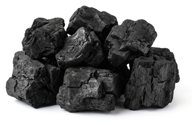
 Coal
Use food-safe hardwood coal in the same way: heat a piece until red, place in a small bowl in the dish, add ghee, and cover briefly. Never use barbecue briquettes with accelerant.
 Smoked butter or ghee
Stir in 1–2 teaspoons smoked butter or ghee at the end for a smoky note. It gives only a hint of dhungar smoke and no live-smoke effect.


Similar dishes

- Same: Gana’s Pork Cheek Coorg shares Kashmiri chilli powder, ginger garlic paste, cinnamon, clove, green cardamom, onion and sea salt with this dish.
- Different: It uses pork cheek and vegetable oil instead of wild boar and ghee, and it sours with malt vinegar and tamarind-date chutney rather than green mango powder and yoghurt; it also adds star anise, mustard seed, fenugreek, curry leaf, turmeric, peanuts and pickled fennel, and it is semi-dry with no charcoal smoke or yoghurt gravy.

- Same: Sorpatel shares with this dish the use of pork, onion, whole cardamom, clove, cinnamon and chilli heat.
- Different: Sorpatel adds liver and vinegar and uses olive oil, turmeric, cumin seed and dried Kashmiri chilli, while this dish uses ghee, Greek yoghurt, green mango powder, chilli garlic chutney and a charcoal smoke finish.

- Same: Old Delhi Chicken shares with this dish greek yoghurt, ginger-garlic paste, Kashmiri chilli powder, and whole cardamom, clove and bay.
- Different: Old Delhi Chicken uses chicken thigh, tomato, double cream, butter and mustard oil, while this dish uses wild boar, ghee, green mango powder and a charcoal smoke finish.

- Same: Kid Offal Keema shares ghee, Greek yoghurt, onion, ginger-garlic paste, Kashmiri chilli powder and whole spices such as black cardamom, clove and cinnamon with this dish.
- Different: Kid Offal Keema uses minced kid goat with liver and kidney, tomato, turmeric, ground coriander, cumin seed, dried fenugreek leaf and garam masala, and is topped with watercress and potato salli; it lacks wild boar, green mango powder, chilli-garlic chutney and charcoal smoke.