Indian cooking
Indian cooking / Dishes / Sorpatel
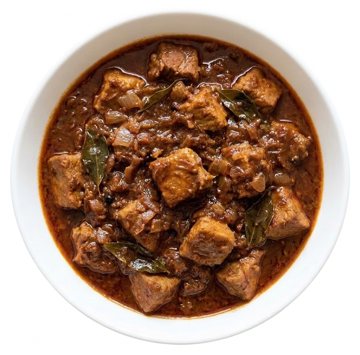
Sorpatel (Spicy Pork & Liver Curry)

Sorpatel

Spicy Pork & Liver Curry
Non-vegetarian●●●Origin GoaPrep 1 hour, plus cooling timeCook 2 hours

A richly spiced, slow-simmered pork and offal curry sharpened with vinegar. It develops deep, savoury heat and matures in flavour over several days of resting and reheating.

Curry spices

51 gFried with the garlic (step 3)
01
18 g6 teaspoons
spice
03
2.1 g1 teaspoon
spice
04
0.6 g12 peppercorns
spice
05
0.8 g12 cloves
spice
06
1.1 g6 pods
spice
08
2.6 g1 teaspoon
spice
Grind together into a fine powder.

Everything else

01
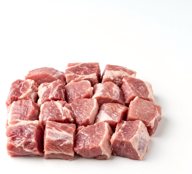
Pork · Suar ka Goshtcut into pieces
1000 g
meat
02
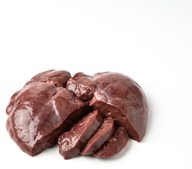
Liver · Kalejicut into pieces
300 g
meat
03
27 g2 tablespoons
oil/fat
04
50 g
vegetable
05
3 g1 clove
aromatic
06
to taste
souring agent
07
to taste
salt

Method

  1. Place 1000 g pork in a saucepan and 300 g liver in a separate saucepan. Cover both with just enough water to submerge, bring to a simmer, and cook for about 30 minutes. Strain both meats, keeping their cooking liquids, and let everything cool.
  2. Dice the cooled pork and liver into fine pieces.
  3. Warm 27 g olive oil in a large, heavy-bottomed pot over medium heat. Tip in 50 g onion and fry for roughly 4 minutes until pale golden. Stir in 3 g garlic along with the curry spices and cook for 1 minute.
  4. Turn the heat down to low. Fry the meats in small batches with a splash of the reserved cooking liquid each time: add the fatty pork first, followed by the leaner pork pieces, and finally the liver. Allow the liquid to cook off before adding the next batch of meat and broth.
  5. Pour in any remaining cooking broth, drop the heat to very low, and simmer gently for at least 2 hours.
  6. Stir in vinegar and salt to taste. Take the pot off the heat, allow it to cool, and transfer to the fridge for 24 hours.
  7. Warm the curry thoroughly over low heat the following day, check the seasoning, and continue this daily chilling and reheating sequence for 2 more days before serving.

Don't have something?

Pork
  • Lamb shoulder

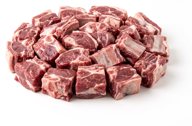
    Use equal weight, diced similarly. Cook using the same slow braising method; lends a richer, slightly gamier flavour and retains moisture well.

  • Chicken

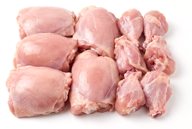
    Use equal weight of bone-in thighs. Cut into pieces and reduce simmering time by about half (cook for 25-30 minutes) to keep the meat succulent.

Liver
  • Chicken

    Use equal weight of trimmed chicken livers; pan-fry gently for 4-6 minutes; flavour is substantially milder and sweeter.

  • Lamb

    Use equal weight of lamb kidney cut into small bite-sized pieces; gives a similarly distinct iron-rich flavour with slightly firmer bite.

Olive oil
  • Peanut oil

    Use equal weight. Provides a high smoke point with mild flavour, well suited for sautéeing spices.

  • Vegetable oil

    Use equal weight. Neutral in flavour, making it a reliable all-round substitute for general frying and tempering.

Onion
  • Shallot

    Use equal weight, finely sliced. Shallots soften and brown faster, giving a slightly sweeter and more delicate base to curries.

  • Cabbage

    Use 80% of the weight, finely shredded and browned slowly with a pinch of asafoetida. Replicates the bulk and natural sweetness in gravies without allium.

Garlic
  • Garlic paste

    Use equal weight. Fry gently in oil or ghee with the ginger; incorporates smoothly into curries without visible minced bits.

  • Garlic powder

    Use 15% to 20% of the weight (about 1 g for every 5 to 6 g fresh cloves). Whisk into sauces; gives a savoury, toasted garlic flavour without raw pungency.

  • Shallot

    Use 1.5 times the weight, very finely minced. Sauté until golden; provides savoury allium sweetness, though it lacks garlic's pungent sulphur bite.

Ground turmeric
  • Ground ginger

    Use 50% of the weight. Mimics turmeric's warm, earthy, rhizome background, but provides none of the golden-yellow colour.

  • Saffron

    Steep a tiny pinch (0.1 g per 2 g turmeric) in 2 tbsp warm water; use to match the rich golden hue. Contributes an aristocratic, honeyed floral flavour rather than earthy bitterness.

Cassia bark
  • Ceylon cinnamon

    True cinnamon: thinner, papery quills, milder and sweeter. Use about 1.5 times the weight, and taste.

  • Ground cinnamon (cassia)

    Use about a third of the weight (0.5 g ground for a 2.5 cm piece), stirred in with the ground spices rather than fried whole, since the powder burns quickly.

  • Cassia buds

    Use 60-70% of the weight; stronger and more peppery, so taste before adding more.

Cumin seed
  • Ground cumin

    Use 70% of the weight; add with ground spices or sauce bases rather than hot oil tempering, where it scorches quickly and turns bitter.

  • Black cumin seeds

    Use equal weight for oil tempering. Delivers an earthy profile with an additional musky, smoky, and slightly bitter edge.

  • Fennel seed

    Use 60% of the weight for tempering; offers comparable warm aroma, but leans sweet and liquorice-like rather than savoury and earthy.

Black peppercorn
  • Coarsely ground black pepper

    Use 75% of the weight. Add midway through simmering; spreads heat evenly through the dish instead of delivering isolated bursts.

  • Ground black pepper

    Use 50% of the weight. Stir in near the end of cooking; significantly darkens light gravies and provides an immediate, sharp bite.

Clove
  • Ground cloves

    Use 1 g ground for 4 g whole (or 1 small pinch per 2 to 3 whole cloves). Add with spice powders; disperses intense warmth quickly, so use with restraint.

  • Allspice berries

    Use 100% of the weight whole in tempering. Imparts a warm, clove-like aromatic profile combined with hints of nutmeg and cinnamon.

  • Black cardamom pod

    Use 1 pod for 3 to 4 cloves in whole tempering. Shares a camphor-like warmth and medicinal depth, though it introduces a distinct smoky undertone.

Green cardamom pod
  • Green cardamom seed

    Use 35 to 40% of the total pod weight; lightly bruise the seeds before frying in oil to release their essential oils.

  • Ground green cardamom

    Use 20 to 25% of the pod weight (about 1 generous pinch per pod); stir in toward the end of cooking so the delicate floral notes do not dissipate.

  • White cardamom pod

    Use 1:1 by pod count or weight; crack gently before using, though it is slightly less intensely floral.

Dried kashmiri chilli
  • Kashmiri chilli powder

    Use 1 g powder for every 1.5 g whole dried chilli; whisk with a spoonful of warm water and stir into the masala to provide identical ruby colour and mild heat.


  • Dried red chilli

    Use 35% to 40% of the weight; discard seeds before tearing into oil to temper. Delivers a much fiercer heat, with significantly less red colouring.

Chilli powder
  • Red chilli powder

    Use 100% of the weight. Provides direct, sharp heat and red colour in equal measure.

  • Kashmiri chilli powder

    Use 150% to 200% of the weight if matching colour, but add a pinch of black pepper or hot chilli if you need equivalent fiery heat.

  • Cayenne pepper

    Use 75% to 100% of the weight. Offers a sharp, clean heat with slightly less earthy depth and less crimson colour.

Vinegar
  • White vinegar

    Use 100% of the weight directly. It delivers an identical sharp, clean acidity to curries and marinades.

  • Lemon juice

    Use 100% of the weight. Add towards the end of cooking off the heat; introduces a fruity citrus aroma rather than pungent acetic sharpness.

  • Tamarind extract

    Use 75% of the weight diluted in a splash of warm water. Gives a rich, fruity sourness and darkens the gravy.

Similar dishes

Vindaloo
Goan Pork Curry
Vindaloo tastes fruitier, tangier, and slightly sweet from the tamarind and jaggery, without the earthy, mineral richness of offal found in this dish.
  • Same: Vindaloo also braises pork in a vinegar-based sauce seasoned with dried chillies, cumin, cinnamon, cloves, and black pepper.
  • Different: Vindaloo uses only pork meat cooked in vegetable oil with much more onion and garlic, adding ginger, tamarind, curry leaves, star anise, and jaggery rather than the liver, olive oil, turmeric, and cardamom in this dish.
Gana’s Pork Cheek Coorg
Gana’s Pork Cheek Coorg is a semi-dry savoury curry with warm spice notes and a sharp-sweet finish, while this dish is a richer, spicier pork-and-liver curry with deep savoury heat from vinegar that matures over days.
  • Same: Gana’s Pork Cheek Coorg and this dish are both slow-cooked pork curries soured with vinegar and spiced with turmeric, Kashmiri chilli, cinnamon, clove, green cardamom, cumin and black peppercorn.
  • Different: Gana’s Pork Cheek Coorg uses pork cheeks and no liver, vegetable oil instead of olive oil, malt vinegar with tamarind-date chutney, roasted whole spices including star anise, coriander, mustard and fenugreek, plus red onion, curry leaf, green chilli and ginger garlic paste, and it is served with pickled fennel and peanuts, while this dish uses pork and liver, olive oil, vinegar alone and no chutney, peanuts, fennel or curry leaves.
Murg Shahjehani
Imperial Chicken
Murg Shahjehani is mild, creamy, and floral, lacking the sharp acidity, intense chili heat, and rich, gamey depth of this dish.
  • Same: Murg Shahjehani shares warm whole spices with this dish, including cumin, cinnamon, cloves, black peppercorns, green cardamom, and chilli powder.
  • Different: Murg Shahjehani uses chicken instead of pork and offal, cooks in vegetable oil with ginger, poppy seeds, and a large amount of caramelized onions, and builds its sauce with yogurt and rosewater instead of vinegar and turmeric.
Dohneiiong
Pork with Black Sesame Seeds
Dohneiiong tastes rich, nutty, and mildly sweet from onions, without the sharp vinegar sourness or fiery chilli heat of this dish.
  • Same: Dohneiiong is also a slow-cooked pork curry prepared with onion, turmeric, and salt.
  • Different: Dohneiiong renders its own pork fat and features black sesame seeds and far more onions, but omits the liver, vinegar, garlic, chillies, and warm whole spices found in this dish.