
Old Delhi Chicken
A rich chicken curry with a tangy yoghurt marinade and a slow-cooked tomato-cream sauce, scented with whole spices and finished with fresh coriander and ginger.
Marinade spices
47 gStirred into the yoghurt marinade (step 2)Whole spices for the oil
5 gAdded to the hot oil at the start of the sauce (step 4)Sauce aromatics
74 gAdded after the whole spices (step 5)Finishing spices
38 gStirred in after the cream and butter (step 7)Everything else

Method
- Hang 300 g greek yoghurt in muslin over a bowl for 1 hour without stirring it.
- Put the hung yoghurt in a bowl. Add 40.5 g mustard oil, 11 g sea salt and the marinade spices. Stir to combine. Add 800 g chicken thigh pieces and turn to coat. Cover and refrigerate for 12 hours or overnight.
- Heat 27 g vegetable oil and 81 g mustard oil in a saucepan over medium heat.
- Add the whole spices for the oil and let them infuse for 30 seconds.
- Add the sauce aromatics and 12 g green chilli, split down the middle. Cook for 2 minutes.
- Lower the heat to medium-low, add 1000 g plum tomato purée, cover and cook for about 30 minutes, until reduced by one-third and the oil separates.
- Remove the whole spices. Add 199 g double cream, 250 g unsalted butter and the finishing spices. Stir.
- Season to taste with caster sugar and sea salt. Keep the sauce simmering.
- Sear the marinated chicken in a hot pan for about 15 minutes, until just cooked through.
- Add the chicken to the sauce and mix. Adjust the seasoning if needed.
- Before serving, drizzle with extra double cream and top with 30 g micro coriander cress and 10 g fresh ginger root, cut into fine strips.
Don't have something?


 Boneless chicken thigh
Use the same weight if boneless is needed; cooks 5–10 minutes faster than bone-in. Juicy and forgiving.
 Chicken leg
Use the same weight; bone-in and larger, so add 5–10 minutes. Similar richness.
 Chicken breast
Use the same weight; much leaner and drier, so reduce cooking time by 5–10 minutes and do not overcook.


 Coriander cress
Use the same weight; it is the nearest cress-like herb. Add raw at the end.
 Coriander microgreen
Use the same weight; flavour is similar. Chop only if the recipe needs it.
 Coriander leaf
Use 60–70% of the weight; stronger flavour. Chop and add late.


 Ginger paste
Use equal weight. Sauté in hot fat until the raw allium smell disappears; slightly wetter, but provides identical warmth and pungency.
 Ground ginger
Use 20% to 25% of the weight (1 g for every 4 to 5 g fresh). Stir into the gravy; adds peppery heat and warmth, though it misses the crisp, zesty kick of raw root.


 Hung natural yoghurt
Use the same weight and whisk smooth; same thick consistency.
 Full-fat natural yoghurt
Use 1.25 times the weight and strain through muslin for 30 minutes; looser if not strained.
 Hung yogurt
Use the same weight; virtually identical.


 Peanut oil
Use equal weight. It handles high-heat cooking well, but lacks the signature pungent, nasal heat of mustard oil.
 Vegetable oil
Use equal weight. Neutral in flavour, so your curry will lack the characteristic Bengali or North Indian pungent punch.

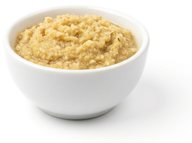
- Ginger and garlic paste
Use the same weight; the difference is only the order of the names.
 Garlic paste
Mix with an equal weight of ginger paste and use the same total weight.
 Garlic
For 20 g paste use about 10 g crushed garlic and 10 g grated ginger root with a splash of water. Add a little extra water if the dish looks dry.


- Ground ginger
Use 50% of the weight. Mimics turmeric's warm, earthy, rhizome background, but provides none of the golden-yellow colour.
 Saffron
Steep a tiny pinch (0.1 g per 2 g turmeric) in 2 tbsp warm water; use to match the rich golden hue. Contributes an aristocratic, honeyed floral flavour rather than earthy bitterness.


 Dried kashmiri chilli
Grind deseeded dried pods to an equal weight of powder; gives identical vivid red colour and gentle warmth.
 Red chilli powder
Use 25% of the weight mixed with sweet paprika for colour; straight red chilli powder is substantially hotter and will make the dish fiery.
 Chilli powder
Use one-third of the weight; the sauce will be less intensely red and notably sharper in heat.


- Peanut oil
Use 1:1 by weight. Handles high-heat frying identically and introduces a very subtle, pleasant nuttiness.
 Ghee
Use 1:1 by weight. Yields a much richer, authentic aroma and a glossy, heavier mouthfeel.
- Mustard oil
Use 1:1 by weight. Heat until smoking, then cool slightly before cooking to temper its intensely pungent, sharp mustard kick.


 Green cardamom seed
Use 35 to 40% of the total pod weight; lightly bruise the seeds before frying in oil to release their essential oils.
 Ground green cardamom
Use 20 to 25% of the pod weight (about 1 generous pinch per pod); stir in toward the end of cooking so the delicate floral notes do not dissipate.
 White cardamom pod
Use 1:1 by pod count or weight; crack gently before using, though it is slightly less intensely floral.


 Ground black cardamom
Use 0.5 g of ground seeds for each whole pod. Stir directly into the curry base; delivers identical smoky flavour without woody husks.
- Green cardamom pod
Use equal pod count or weight. Crack slightly and fry whole; tastes sweet, menthol-fresh, and floral rather than dark and smoky.


 Ground cloves
Use 1 g ground for 4 g whole (or 1 small pinch per 2 to 3 whole cloves). Add with spice powders; disperses intense warmth quickly, so use with restraint.
 Allspice berries
Use 100% of the weight whole in tempering. Imparts a warm, clove-like aromatic profile combined with hints of nutmeg and cinnamon.
- Black cardamom pod
Use 1 pod for 3 to 4 cloves in whole tempering. Shares a camphor-like warmth and medicinal depth, though it introduces a distinct smoky undertone.


 Bay leaf
Use the same number or weight. Ordinary bay is milder and lacks the cinnamon-clove note; add early and remove before serving.
 Cassia bark (Chinese cinnamon)
Use about 1 g cassia for every 2 g Indian bay leaf. It gives a warm cinnamon note but not a true laurel flavour; remove before serving.
- Cinnamon stick
Use a small 1 cm piece for 2 leaves. It adds warm sweetness but not bay flavour; remove before serving.


- Kashmiri chilli powder
Use the same weight; same mild heat and colour. Stir into oil briefly so it does not burn.
 Paprika
Use the same weight; milder and slightly less vivid. Good for colour, add a pinch of red chilli powder for heat.
- Red chilli powder
Use 30–50% of the weight and make up with paprika; much hotter. Add gradually and taste.


- Chilli powder
Use 10 to 15% of the weight (about 1/4 teaspoon per chilli); imparts dry pungent heat and reddens the dish without the grassy crunch.
 Dried red chilli
Use 1 dried pod per fresh green chilli; snap in half and temper in hot oil for a deeper, toastier heat.


 Tomato
Use the same weight; ordinary tomatoes are softer, so deseed if the dish looks watery.
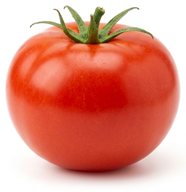 Large tomato
Use the same weight; cut out the watery core and cook a little longer.
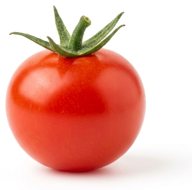 Cherry tomato
Use the same weight and halve; sweeter, so reduce any added sugar.


 Heavy cream
Use the same weight; whips and cooks almost identically.
 Single cream
Use the same weight in cooking, but it will not whip; reduce other liquid slightly.
 Clotted cream
Use 80% of the weight; richer and thicker, good for serving but not for whipping.


 Ground cumin
Use 50% of the weight mixed with equal parts ground coriander and a pinch of ground cinnamon, ground cloves, and ground green cardamom. Sprinkle near the end for a warming finish.
 Lentil stew spice mix
Use 75% of the weight. Simmer briefly in the gravy; imparts roasted warmth and complexity, though it adds a slight tang and earthy lentil undertone.


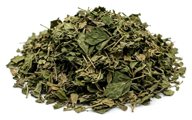 Dried fenugreek leaves
Use the same weight, crush between your palms before adding. This is effectively the same ingredient.
 Fresh fenugreek leaves
Use about 4 times the weight, add later in cooking. Milder and leafier; less of the dried maple-hay aroma.
 Ground dried fenugreek leaf
Use the same weight and stir in early. Same flavour but no visible leaf specks.


 Granulated sugar
Use the same weight. It is slightly coarser, so stir a little longer to dissolve; in baking, grind briefly if a fine texture matters.
 Demerara sugar
Use the same weight, but dissolve it earlier as it is coarser. It adds a light caramel note and a little colour.
 Ground jaggery or soft brown sugar
Use the same weight; crush or grate jaggery first. It darkens the dish and adds molasses flavour, so reduce other liquid slightly.


Similar dishes

- Same: Punjabi Handi Murgh shares chicken, Kashmiri chilli powder, turmeric, ginger, cardamom and garam masala with this dish.
- Different: Punjabi Handi Murgh uses ghee, fried onions, tomato, water and bone-in chicken, while this dish uses yoghurt, mustard oil, tomato-cream sauce, butter, dried fenugreek and chicken thigh.

- Same: Keralan Fried Chicken and this dish both use chicken thigh, Greek yoghurt, Kashmiri chilli powder, ground turmeric and green chilli in a spiced yoghurt marinade.
- Different: Keralan Fried Chicken is boneless thigh coated in flour and cornstarch and deep-fried in vegetable oil, served with pickled daikon, fried curry leaves and curry leaf mayonnaise, while this dish is a slow-cooked curry with tomato, double cream, butter, mustard oil, whole cardamom, clove, bay leaf and dried fenugreek.
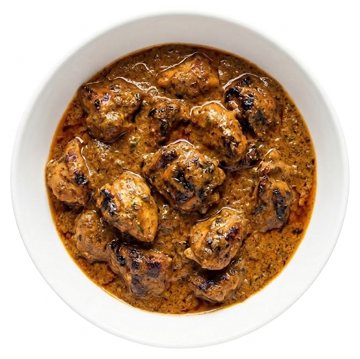
- Same: Aslam Butter Chicken and this dish both use chicken thigh, a yoghurt marinade, green cardamom, clove, Kashmiri chilli, dried fenugreek, ginger, garlic, cream and butter.
- Different: Aslam Butter Chicken adds malt vinegar, chaat masala, black salt, coal smoking, ghee, coriander seeds, cumin, mace and cinnamon, and it lacks this dish's plum tomatoes, mustard oil, black cardamom, bay leaf, green chilli and micro coriander cress.
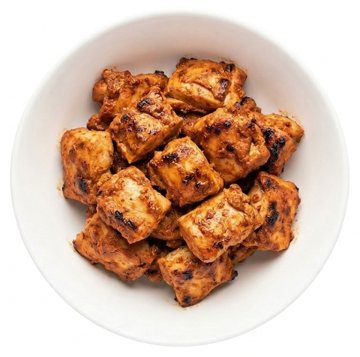
- Same: Tandoori Chicken Tikka shares chicken thigh, Greek yoghurt, Kashmiri chilli powder, garam masala, dried fenugreek leaf and ginger with this dish. Both use a spiced yoghurt marinade on chicken.
- Different: Tandoori Chicken Tikka is bite-size and grilled until charred, while this dish is a slow-cooked curry with plum tomatoes, double cream, unsalted butter, mustard oil, green chilli and whole spices such as cardamom, clove and bay leaf. Tandoori Chicken Tikka adds lime, chaat masala, chickpea flour, saffron and cinnamon, and lacks this dish's tomato-cream sauce.