Indian cooking
Indian cooking / Dishes / Vendakkai Igguru
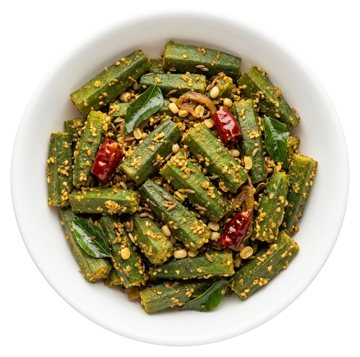
Vendakkai Igguru (Spicy Fried Okra)

Vendakkai Igguru

Spicy Fried Okra
Vegetarian●●●Origin Tamil NaduPrep 10 minutesCook 20–25 minutes

A fragrant South Indian okra dish cooked with toasted whole seeds, aromatics, and rich coconut milk. It balances punchy heat from green chillies with fresh mint, coriander, and gentle spices.

Roasting spices

9 gToasted dry in a skillet (step 1)
01
4.2 g2 teaspoons
spice
02
5 g3 teaspoons
spice
Leave whole for dry-toasting.

Tempering spices

7 gFried in hot oil (step 2)
02
3.3 g1 teaspoon
spice
Keep whole for sizzling in the oil.

Base spices and garlic

12 gSautéed with the browned onions (step 3)
01
1.5 g½ teaspoon
spice
02
10 g2 teaspoons
aromatic
Stir together before adding to the pan.

Chilli powder

2.6 gAdded with the fresh herbs and okra (step 5)
01
2.6 g1 teaspoon
spice
Measure out and reserve.

Everything else

01
160 g175 ml
oil/fat
02
300 g2 onions
vegetable
03
240 g2 tomatoes
vegetable
04
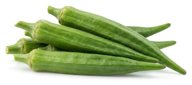
Okra · Bhinditopped and tailed
500 g
vegetable
05
~100 g1 bunch
herb
06
~100 g1 bunch
herb
07
Green chilli · Hari Mirchde-seeded and chopped
24 g4 chillies
vegetable
09
to taste
salt
10
18 g6 cloves
aromatic
11
2–2.5 g8–10 leaves
herb

Method

  1. Set a small dry pan over medium heat, add the roasting spices, and toast for 2 to 3 minutes until aromatic. Tip onto a plate and set aside.
  2. Warm 160 g vegetable oil in a large, heavy pan over medium heat. Add the tempering spices along with 18 g garlic and 2–2.5 g curry leaf, frying for 1 to 2 minutes until the mustard seeds crackle.
  3. Add 300 g chopped onion and cook for 5 to 7 minutes until golden brown. Stir in 2 tsp ginger and the base spices and garlic, sautéing for 2 minutes, then mix in the reserved roasting spices.
  4. Tumble in 240 g chopped tomato and cook for 2 to 3 minutes until thoroughly softened and oil glistens on the surface.
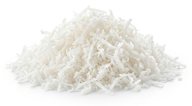
  5. Add 500 g okra, 1 tbsp coconut, 100 g chopped mint, 100 g chopped coriander leaf, 24 g chopped green chilli, the chilli powder, and salt to taste, tossing well to coat.
  6. Pour in 500 ml water and 254 g coconut milk. Turn the heat down to low and gently simmer for 3 to 4 minutes until steaming hot.

Don't have something?

Cumin seed
  • Ground cumin

    Use 70% of the weight; add with ground spices or sauce bases rather than hot oil tempering, where it scorches quickly and turns bitter.

  • Black cumin seeds

    Use equal weight for oil tempering. Delivers an earthy profile with an additional musky, smoky, and slightly bitter edge.

  • Fennel seed

    Use 60% of the weight for tempering; offers comparable warm aroma, but leans sweet and liquorice-like rather than savoury and earthy.

Coriander seeds
  • Ground coriander

    Use 75% of the weight; stir in along with wet masala or tomato purée rather than frying in hot oil, as the fine powder burns instantly.

  • Cumin seed

    Use 50% of the weight for tempering in hot oil. Lacks the floral, sweet citrus flavour of coriander, introducing warm, pungent earthiness instead.

  • Fennel seed

    Use 50% of the weight in tempering; provides pleasant aromatic sweetness, though noticeably aniseedy rather than citrusy.

Vegetable oil
  • Peanut oil

    Use 1:1 by weight. Handles high-heat frying identically and introduces a very subtle, pleasant nuttiness.

  • Ghee

    Use 1:1 by weight. Yields a much richer, authentic aroma and a glossy, heavier mouthfeel.

  • Mustard oil

    Use 1:1 by weight. Heat until smoking, then cool slightly before cooking to temper its intensely pungent, sharp mustard kick.

Onion
  • Shallot

    Use equal weight, finely sliced. Shallots soften and brown faster, giving a slightly sweeter and more delicate base to curries.

  • Cabbage

    Use 80% of the weight, finely shredded and browned slowly with a pinch of asafoetida. Replicates the bulk and natural sweetness in gravies without allium.

Ground turmeric
  • Ground ginger

    Use 50% of the weight. Mimics turmeric's warm, earthy, rhizome background, but provides none of the golden-yellow colour.

  • Saffron

    Steep a tiny pinch (0.1 g per 2 g turmeric) in 2 tbsp warm water; use to match the rich golden hue. Contributes an aristocratic, honeyed floral flavour rather than earthy bitterness.

Ground fresh ginger
  • Ginger paste

    Use the same weight; it is practically the same.

  • Fresh ginger

    Grate the same weight; it is the same but more fibrous.

  • Ground ginger

    Use about 30% of the weight, mixed with a little water; it is drier and hotter, with less fresh brightness.

Ground garlic
  • Garlic powder

    Use equal weight (1:1). Behaves virtually identically, dissolving seamlessly into dry rubs or wet gravies.

  • Garlic paste

    Use 300% to 400% of the weight (e.g. 3–4 g paste for 1 g ground). Sauté in oil to cook off the raw moisture; imparts a fresher, sharper punch.

  • Garlic

    Finely mince or grate fresh cloves; use 300% to 400% of the weight. Fry gently in oil early in the cooking process to mellow the pungency.

Tomato
  • Tomato purée

    Use 40% to 50% of the fresh tomato weight mixed with a splash of water. Imparts a deeper red colour, thicker sauce, and slightly sweeter cooked flavour.

  • Plain yogurt

    Use 60% of the weight, whisked smooth and added on low heat. Provides rich body and sourness, though the gravy becomes paler and creamier.

Okra
  • Cluster bean

    Use the same weight, topped, tailed and cut into similar pieces. It is firmer and less mucilaginous; cook a few minutes longer until tender.

  • Green bean

    Use the same weight, trimmed and cut into short lengths. It cooks faster and stays crisp; add towards the end and expect no okra stickiness.

  • Aubergine

    Use the same weight, cut into small pieces and cook until soft. It gives a soft, seedy texture but no okra mucilage and absorbs more oil.

Ground coconut
  • Desiccated coconut

    Use the same weight and grind finer; it is drier, so add 1–2 tbsp water if the recipe needs a wet paste.

  • Grated fresh coconut

    Use about 1.25 times the weight and blend to a paste; it is fresher and wetter, so reduce other liquid slightly.

  • Dried coconut

    Use the same weight, soak in warm water for 10 minutes, then grind; it is closer to fresh but still drier.

Mint
  • Dried mint

    Use about 30% of the weight of fresh mint. Rub between your palms to crush before stirring in; the flavour will be more intensely herbal and less bright.

  • Coriander leaf

    Use equal weight, finely chopped. Adds fresh citrusy green notes, but lacks the cooling menthol lift.

Coriander leaf
  • Coriander

    Use equal weight finely chopped; this is the exact same fresh herb.

  • Mint

    Use half the weight finely chopped; provides vibrant green freshness, though the flavour profile becomes noticeably cooler and sharper.

Green chilli
  • Chilli powder

    Use 10 to 15% of the weight (about 1/4 teaspoon per chilli); imparts dry pungent heat and reddens the dish without the grassy crunch.

  • Dried red chilli

    Use 1 dried pod per fresh green chilli; snap in half and temper in hot oil for a deeper, toastier heat.

Chilli powder
  • Red chilli powder

    Use 100% of the weight. Provides direct, sharp heat and red colour in equal measure.

  • Kashmiri chilli powder

    Use 150% to 200% of the weight if matching colour, but add a pinch of black pepper or hot chilli if you need equivalent fiery heat.

  • Cayenne pepper

    Use 75% to 100% of the weight. Offers a sharp, clean heat with slightly less earthy depth and less crimson colour.

Coconut milk
  • Single cream

    Use equal weight; simmer gently over low heat to prevent curdling. Imparts a comparable rich texture, though it adds dairy richness without any coconut fragrance.

  • Cashew paste

    Whisk 1 part cashew paste with 2 parts water to match the consistency, then use equal weight. Provides a thick, velvety body without coconut flavour.

  • Whole milk

    Use equal weight, but reduce other cooking liquids by 20% to compensate for the lower viscosity. The curry will be lighter and lack sweetness.

Dried red chilli
  • Dried kashmiri chilli

    Use equal weight whole. Fry in hot oil or ghee as tempered spice; gives a richer red colour with slightly milder heat.

  • Red chilli powder

    Use 50% to 70% of the weight. Stir into the oil with ground spices; distributes heat evenly throughout the dish without whole chilli skins.

Mustard seed
  • Black mustard seed

    Use the same weight. The seeds are smaller and hotter; fry in hot oil until they pop, about 20–30 seconds, and reduce the heat if they darken too fast. The dish will be a little sharper.

  • Yellow mustard seeds

    Use the same weight. They are milder and larger; fry a few seconds longer until they pop. The finished dish will have less pungency.

  • Ground mustard seed

    Use 70% of the weight of whole seed, added with the other ground spices rather than fried whole. You lose the popping texture and the heat comes through more evenly.

Garlic
  • Garlic paste

    Use equal weight. Fry gently in oil or ghee with the ginger; incorporates smoothly into curries without visible minced bits.

  • Garlic powder

    Use 15% to 20% of the weight (about 1 g for every 5 to 6 g fresh cloves). Whisk into sauces; gives a savoury, toasted garlic flavour without raw pungency.


  • Shallot

    Use 1.5 times the weight, very finely minced. Sauté until golden; provides savoury allium sweetness, though it lacks garlic's pungent sulphur bite.

Curry leaf
  • Bay leaf

    Fry 1 bay leaf for every 5 curry leaves in hot oil; imparts a warm, woodsy background note, but misses the citrus-sulphury punch entirely.

  • Lime juice

    Add a small squeeze (about 5 ml per sprig of curry leaves) right before serving; provides sharp citrus top notes without the toasty, herbal aroma.

Similar dishes

Vendakkai Masala Pachadi
Spicy Southern Okra
Vendakkai Masala Pachadi tastes tangier and milder from the yogurt, without the pronounced herbal freshness and sharp heat of this dish.
  • Same: Both dishes cook okra with onions, tomatoes, and a tempering of mustard seeds, cumin, dried red chillies, and curry leaves.
  • Different: Vendakkai Masala Pachadi adds urad dal, grated coconut, and yogurt, but omits the garlic, coconut milk, mint, fresh coriander, and green chillies found in this dish.
Vendakkai Pulussu
Okra in Tamarind Sauce
Vendakkai Pulussu is distinctly tangy and sweet-sour from the tamarind and sugar rather than creamy and herbaceous like this coconut milk dish.
  • Same: Both dishes cook okra in vegetable oil with onions, tomatoes, garlic, green chillies, mustard seeds, curry leaves, turmeric, and chilli powder.
  • Different: Vendakkai Pulussu simmers the okra in a tamarind gravy with sugar and fenugreek seeds, omitting the coconut milk, cumin seeds, dried red chillies, and fresh mint and coriander found in this dish.
Khara Bheeda
Savoury Okra
Khara Bheeda tastes cleaner and tangier with direct heat from green chillies, lacking the rich creaminess of coconut milk and the layered herbal aromatics of this dish.
  • Same: Khara Bheeda shares the same vegetable base of okra cooked with matching quantities of onions, tomatoes, green chillies, turmeric, and vegetable oil.
  • Different: Khara Bheeda is a minimalist dry-fry cooked in far less oil, completely omitting the coconut milk, garlic, fresh mint, coriander leaves, and tempered whole spices used here.
Vendakkai Nouvala Pod
Stir-fried Okra with Sesame Seeds from Andhra
Vendakkai Nouvala Pod tastes tangy from tamarind and nutty from sesame seeds, and it is drier and sharper than this dish’s coconut-milk-rich, herb-fresh, green-chilli-hot flavor.
  • Same: Vendakkai Nouvala Pod shares okra, turmeric, mustard seed, cumin seed, dried red chilli, curry leaf, and vegetable oil with this dish.
  • Different: Vendakkai Nouvala Pod is a dry stir-fry with tamarind, sesame seeds, asafoetida, and urad dal, while this dish has onion, tomato, coconut milk, mint, coriander leaf, green chilli, ginger, garlic, and ground coconut.